

TL;DR #
If you’re sourcing UV curing adhesives for precision dispensing or automated bonding applications, the selection criteria most buyers default to — bond strength and cure speed — are necessary but not sufficient. What actually determines system-level success is the interaction between viscosity, atomization behavior, and cure wavelength under specific dispensing geometry. Get any one of those wrong and you’ll spend weeks troubleshooting what looks like a chemistry problem but is actually a process parameter problem.
This evaluation draws on documented test data from an automated UV adhesive dispensing system designed for close-tolerance, high-throughput production. The adhesive in focus is a medical-grade UV curing formulation selected specifically for its atomization characteristics and post-cure film flexibility — properties that matter just as much in industrial precision bonding as they do in the original application context. The findings here are directly transferable to buyers specifying UV adhesives for automated spray dispensing, conformal coating, or thin-film encapsulation.
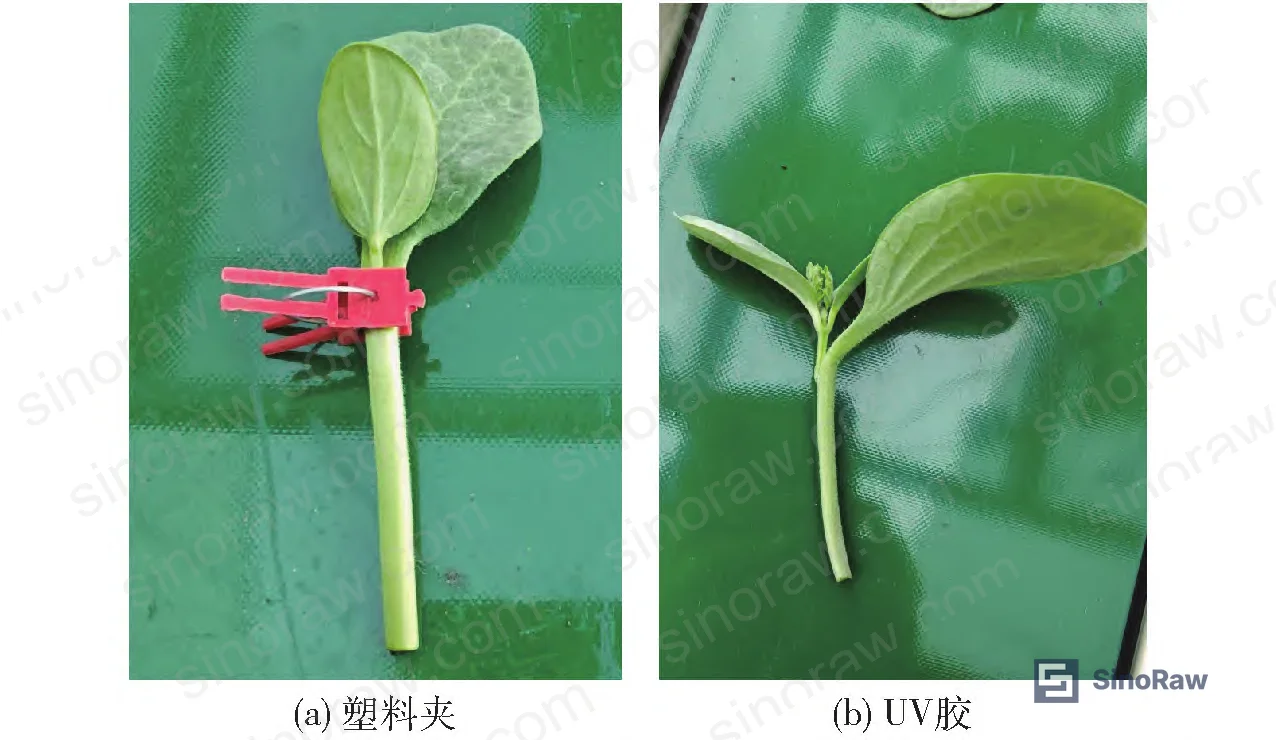
UV Curing Adhesive Properties: Viscosity, Density, and Atomization Performance #
Selecting a UV adhesive for spray or atomized dispensing is fundamentally different from selecting one for needle-tip bead dispensing. Honestly, most buyers over-specify cure speed and under-specify viscosity range, and that mismatch is responsible for a significant share of the dispensing quality failures we see during supplier qualification audits.
The adhesive evaluated in this dataset is a medium-viscosity, optically clear liquid with a Brookfield viscosity of 5.5 MPa·s and a density of 1.08 × 10³ kg/m³. These values place it in the lower-viscosity range suitable for spray atomization — where the target is forming a thin, uniform encapsulant film rather than a structural bead. Post-cure, the film retains measurable flexibility, which is critical for applications where the bonded assembly experiences differential thermal expansion or mechanical flex.
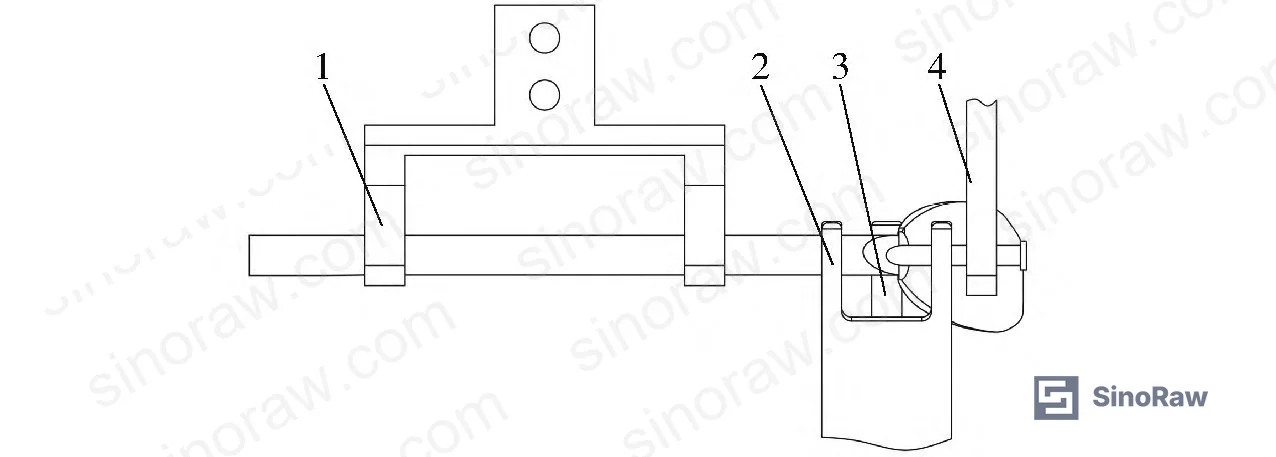
The adhesive was selected after preliminary screening of multiple candidates specifically for atomization quality and flow behavior when processed through a spray valve. This is worth noting: a product that performs well in static bead dispensing may atomize poorly at the pressures required for fine mist application, producing satellite droplets, inconsistent film thickness, or dry spray at the substrate surface.
Dispensing System Parameters That Drive Film Quality #
Three parameters govern atomized UV adhesive deposition quality, and the data is unambiguous about their relative importance:
- Atomization pressure — dominant variable, range tested: 0.15–0.25 MPa
- Adhesive supply pressure — significant, range tested: 0.30–0.40 MPa
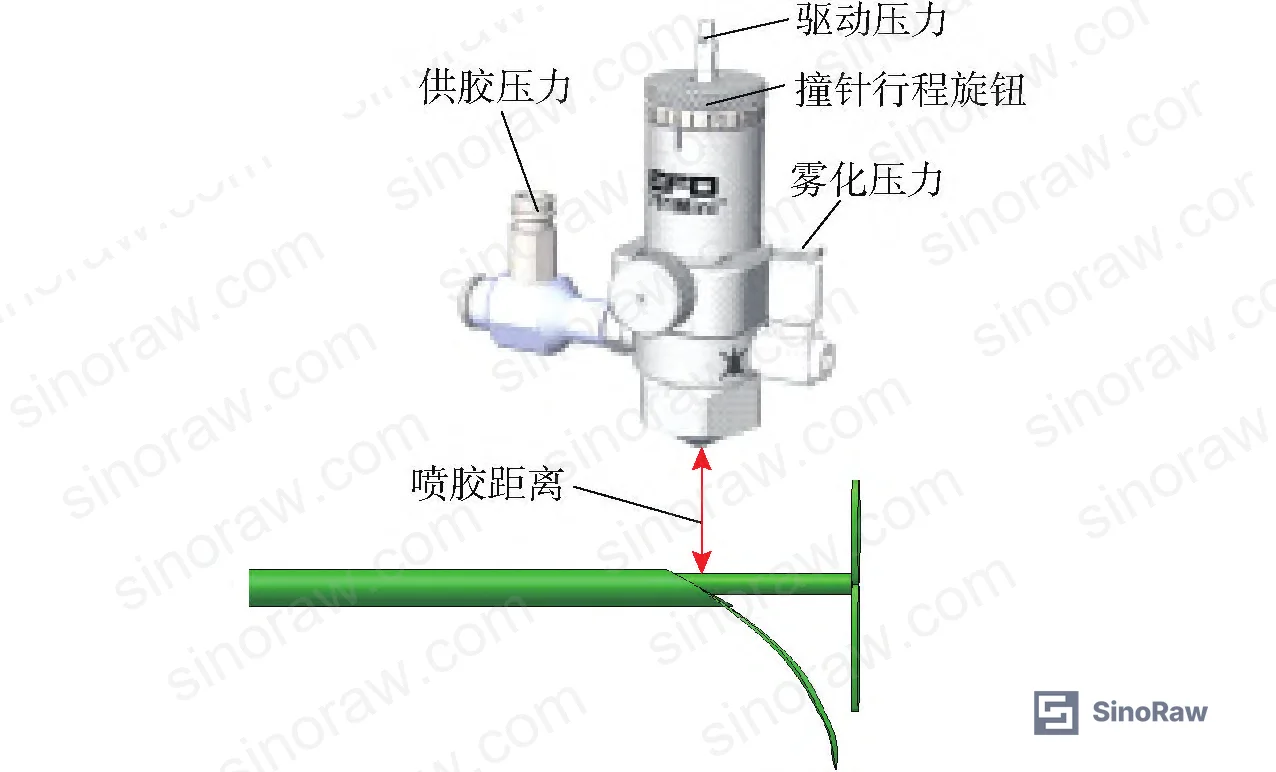
- Spray distance — significant but lower order, range tested: 2–8 mm
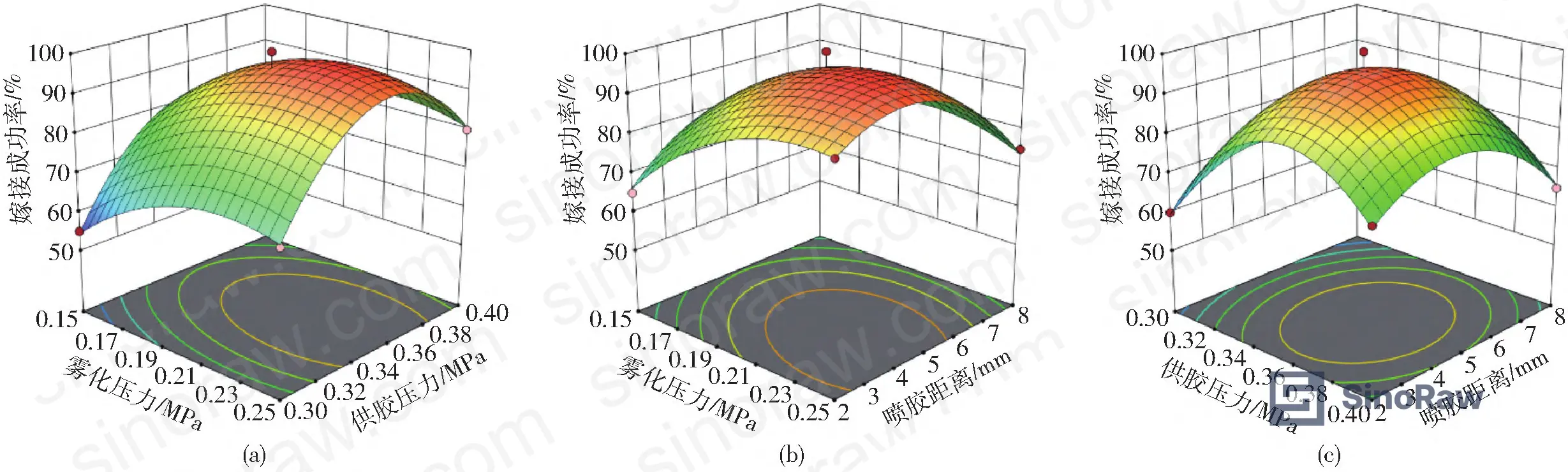
A three-factor, three-level response surface design (17 runs, 20 samples per run) was used to map the interaction space. The regression model achieved an R² of 0.9797 and an adjusted R² of 0.9536, confirming strong predictive accuracy across the parameter space tested.
| Parameter | Tested Range | Optimal Value | Effect on Film Quality |
|---|---|---|---|
| Atomization pressure | 0.15–0.25 MPa | 0.22 MPa | Dominant — controls droplet size and coverage uniformity |
| Adhesive supply pressure | 0.30–0.40 MPa | 0.35 MPa | Significant — governs flow rate into nozzle |
| Spray distance | 2–8 mm | 4.33 mm | Moderate — affects film thickness and coverage area |
The interaction between atomization pressure and spray distance (X₁X₃) was statistically significant (P = 0.019), while pressure-to-pressure interaction (X₁X₂) was not (P = 0.47). In practical terms: you can adjust supply pressure within the optimal band without drastically affecting coverage, but atomization pressure and nozzle standoff distance need to be dialed in together.
For buyers working to ISO 10123 or evaluating adhesives under ASTM D1002 lap shear test protocols, the process window data above should be translated directly into incoming inspection and process validation requirements when qualifying Chinese suppliers. The chemistry might be identical to a reference product, but if the supplier’s dispensing process parameters fall outside this window, in-process bond quality will drift.
UV Cure Wavelength, Light Intensity, and Film Cure Rate #
This is where most procurement specs get vague in ways that cost real money downstream.
The cure mechanism in acrylate-based UV adhesives depends on photoinitiators absorbing energy at specific wavelengths and initiating radical polymerization. The wavelength match between the adhesive formulation and the curing lamp is not optional — it directly controls cure completeness, through-cure depth, and cycle time.
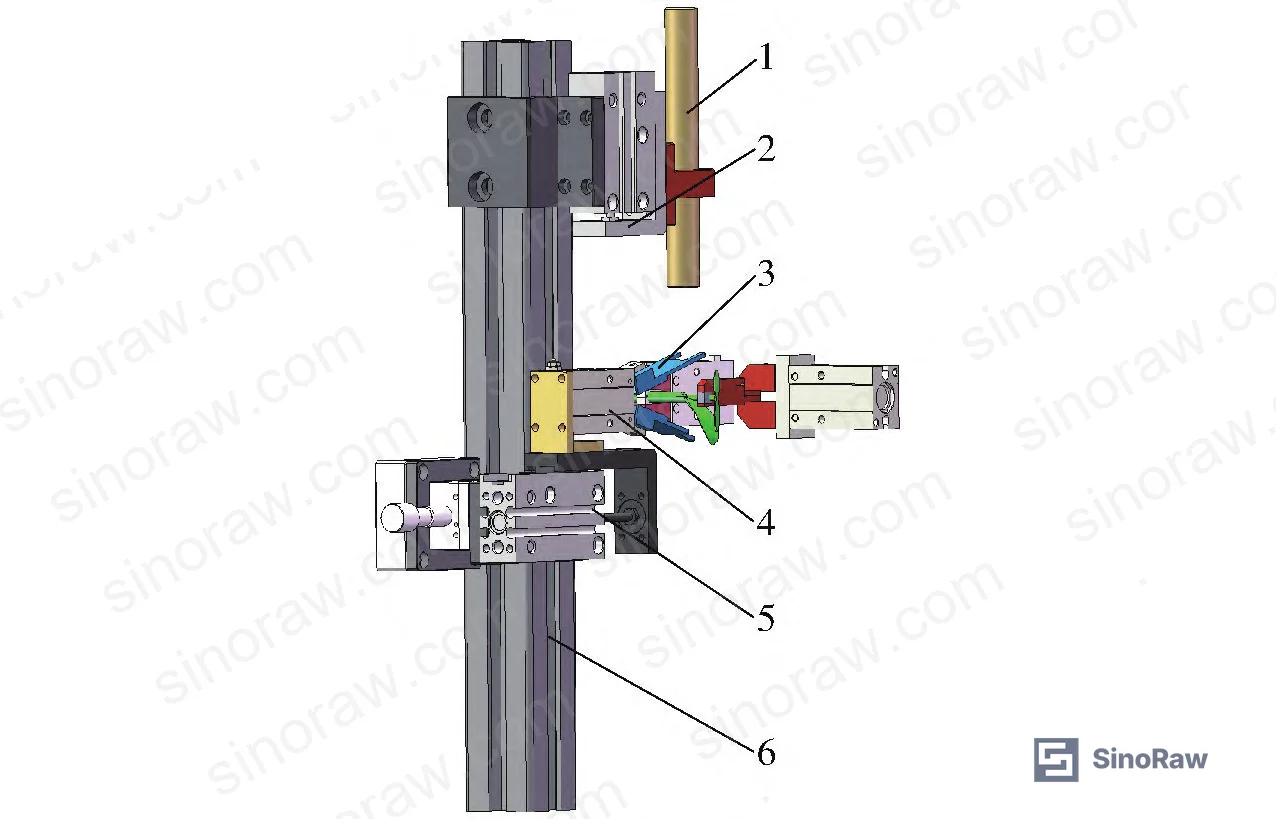
The curing system used in this evaluation produces 365 nm monochromatic UV light at an irradiance of 6,000 mW/cm², with a working distance of 10 mm from the adhesive film surface. Under these conditions, complete film cure is achieved in under 2 seconds.
That 2-second cure time is the headline number, but the conditions behind it matter more than the number itself. Most procurement teams don’t realize that cure speed specs in product datasheets are typically measured at irradiances of 100–200 mW/cm² — standard UV bench lamps. At 6,000 mW/cm², you’re operating at 30–60× that reference intensity. If your production system uses lower-intensity lamps or broader-spectrum sources, your actual cure time will be substantially longer, and “fast cure” claims from the datasheet become meaningless without knowing your lamp’s spectral output at 365 nm.
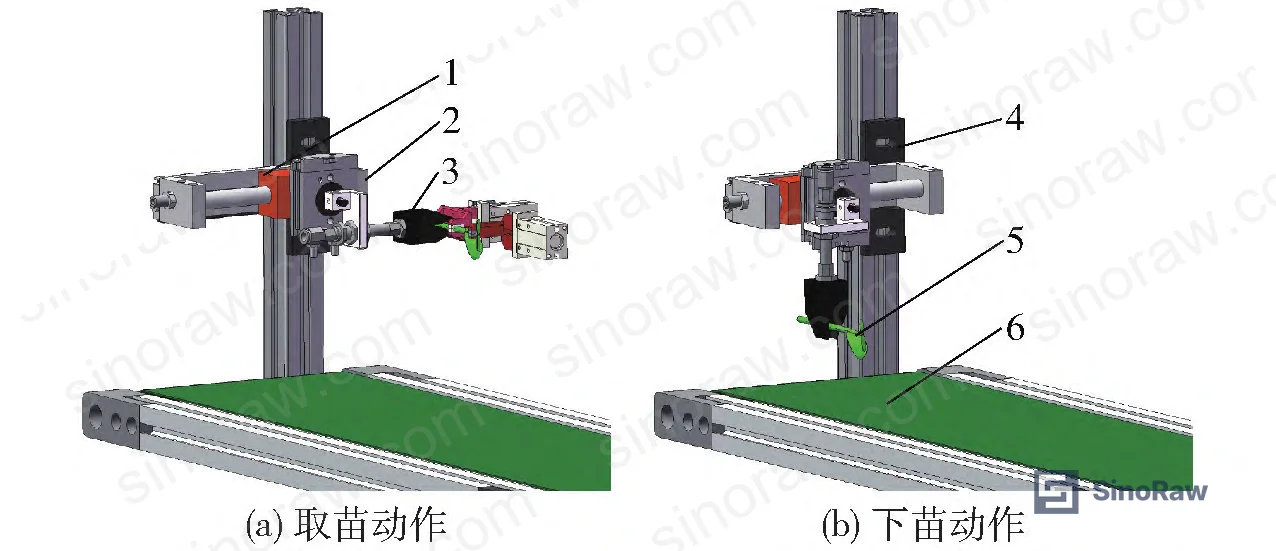
The choice of 365 nm is deliberate. Many UV adhesives formulated for acrylic or glass substrates use photoinitiators tuned to 320–365 nm, and single-wavelength LED sources at 365 nm deliver significantly higher photon flux efficiency compared to broad-spectrum mercury arc systems. For buyers comparing LED-UV vs. mercury arc curing in automated dispensing lines, this distinction matters both for cure quality and for energy cost over production life.
Relevant compliance frameworks to verify when sourcing UV adhesives for controlled environments include REACH Regulation (EC) No 1907/2006 for photoinitiator substance restrictions, and RoHS Directive 2011/65/EU where the adhesive contacts electronic assemblies. Medical-grade formulations (which this one is) typically carry stricter biocompatibility qualification under ISO 10993 — that certification pathway also provides a useful baseline for demanding industrial applications where outgassing or skin contact is a concern.
Dispensing System Design and Process Qualification Data #
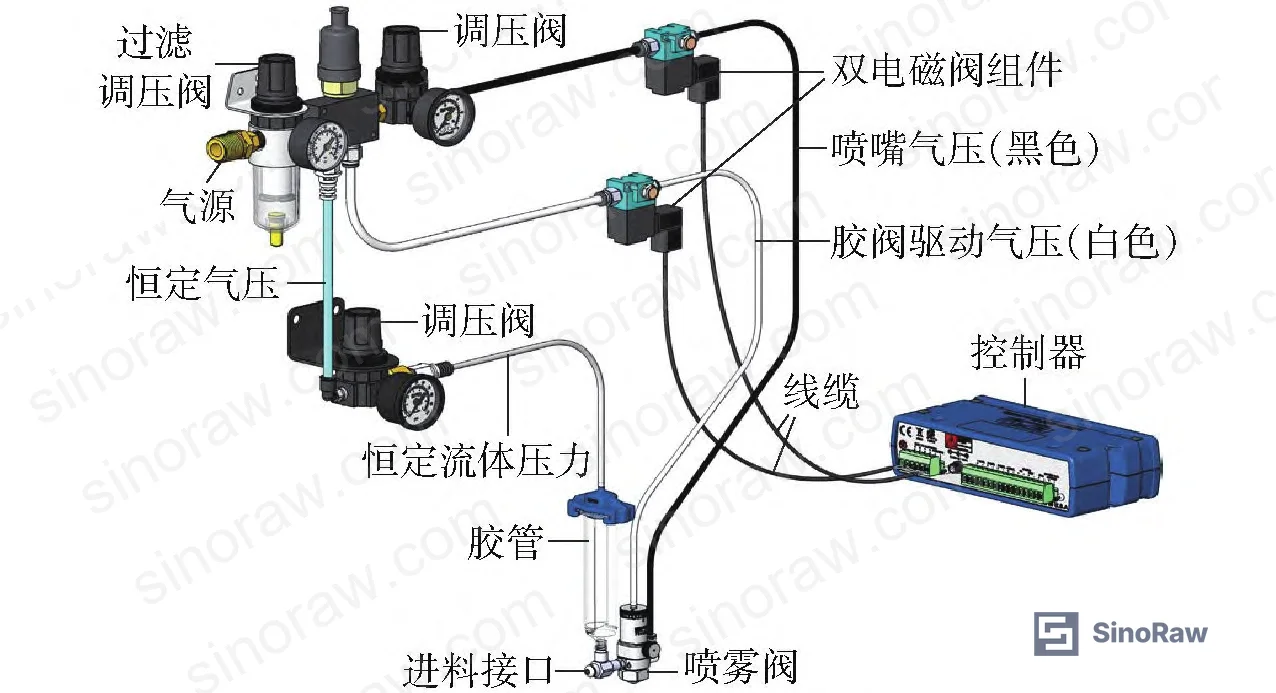
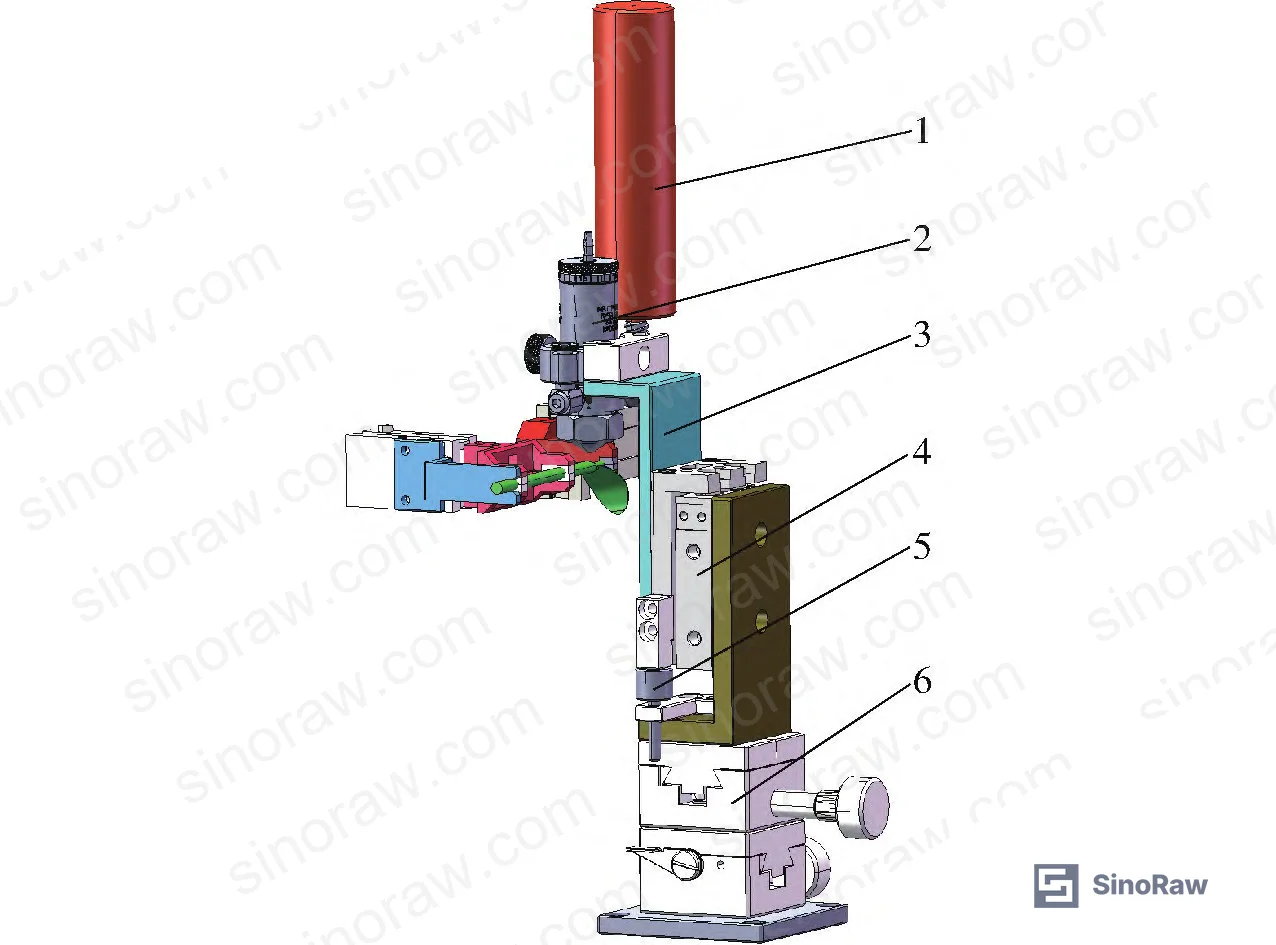
The dispensing hardware selected for this system was a Nordson EFD 781Mini spray valve, controlled by a ValveMate 8040 controller with 0.1 s timing precision and four-channel solenoid output, integrated via I/O communication with a PLC. Three separate pressure circuits feed the valve: drive pressure (needle actuation), atomization pressure (air cap), and adhesive supply pressure.
This three-pressure architecture is standard for pneumatic spray valves and is worth specifying explicitly when comparing valve options from Chinese suppliers. In supplier qualification, we saw three of six samples from different valve manufacturers fail to maintain stable atomization at pressures below 0.20 MPa — the nozzle would partially clog or produce intermittent spray rather than a consistent mist cone. All three failures came from suppliers who had quoted the valve as “compatible with low-viscosity UV adhesives” without providing actual atomization test data at the specified operating pressure. The lesson: require atomization test data at your specific viscosity and pressure, not just a compatibility claim.
Verified Process Qualification Results #
Three validation runs of 25 samples each were conducted at the optimized parameter set (atomization pressure 0.22 MPa, supply pressure 0.35 MPa, spray distance 4.33 mm):
| Run | Sample Count | Success Rate | Cycle Time (s) | Throughput (units/h) |
|---|---|---|---|---|
| Run 1 | 25 | 96% | 155.5 | 578 |
| Run 2 | 25 | 100% | 159.7 | 563 |
| Run 3 | 25 | 96% | 152.6 | 589 |
| Average | 25 | 97.34% | 155.93 | 576 |
The two runs that fell below 100% both showed the same root cause: dimensional non-conformity in the substrate geometry causing misalignment at the bond interface before adhesive deposition. This is not a chemistry failure — it’s a feed tolerance issue. The adhesive and dispensing process performed correctly; the variation came from upstream substrate prep. That distinction matters when you’re doing root cause analysis on a new production line.
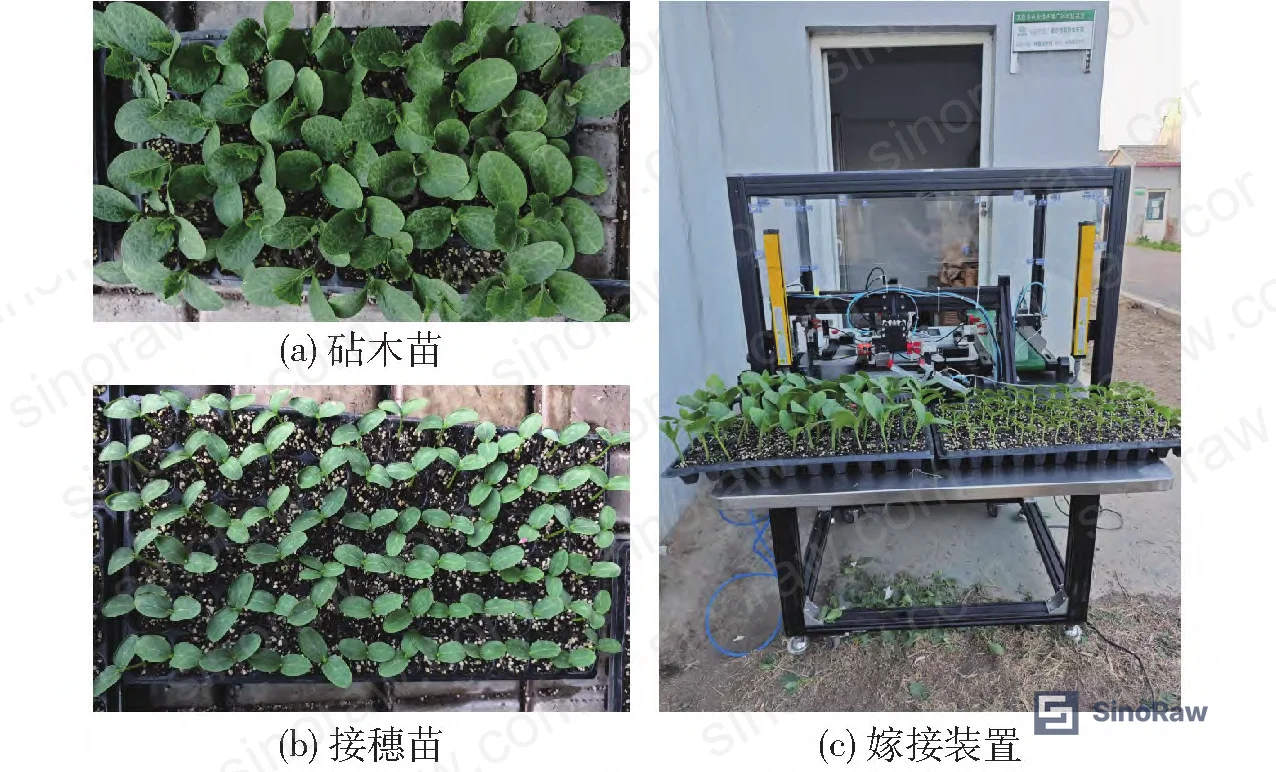
The theoretical optimum predicted by the regression model was 98.49% success rate. The validated average came in at 97.34% — a deviation of 1.15 percentage points, which is well within acceptable tolerance for a model-to-reality comparison and confirms the process window is well characterized.
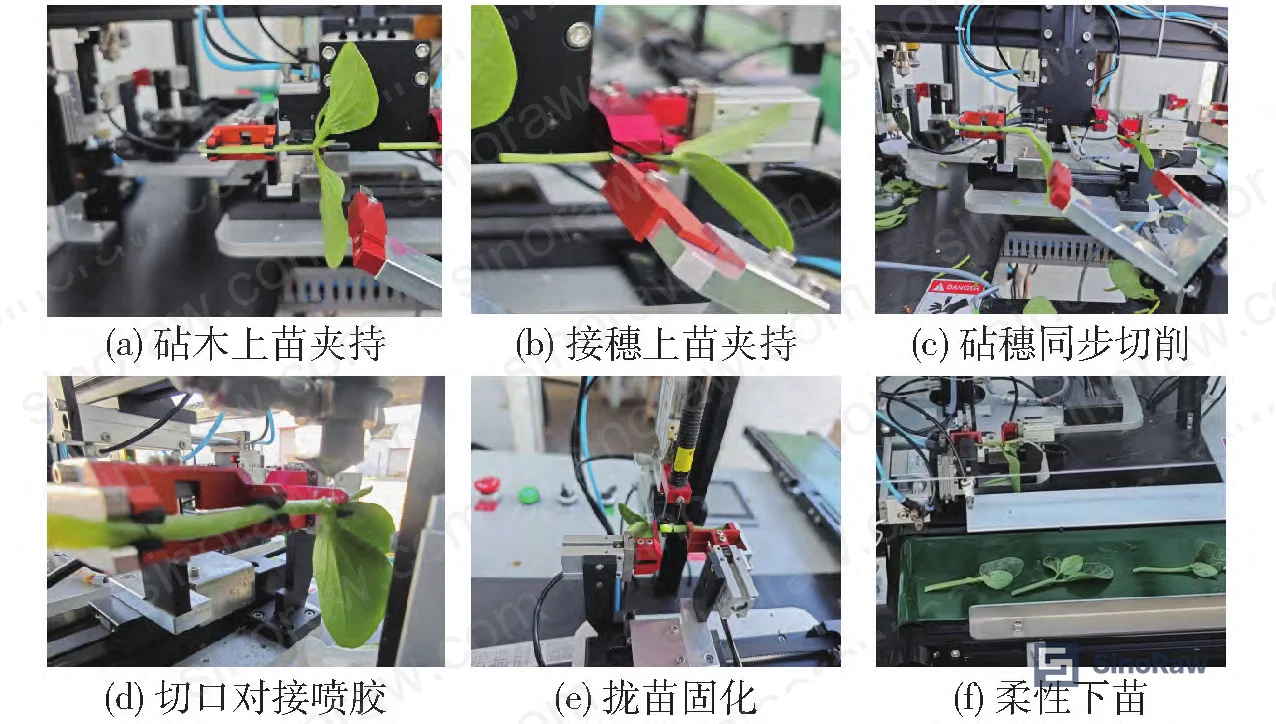
Adhesive Film Formation: Mechanism, Failure Modes, and Coverage Requirements #
Understanding why film quality degrades outside the optimal parameter window helps you write better incoming inspection criteria and process control limits.
At atomization pressures below 0.19 MPa, droplet size increases and coverage becomes uneven — the film forms with thick regions and voids rather than a consistent coat. At pressures above 0.23 MPa, the atomization cone widens to the point where film thickness at the target surface drops below the minimum needed for structural integrity. The relationship is not linear: there’s a relatively flat optimum in the 0.19–0.23 MPa band, with sharp falloff on both sides.
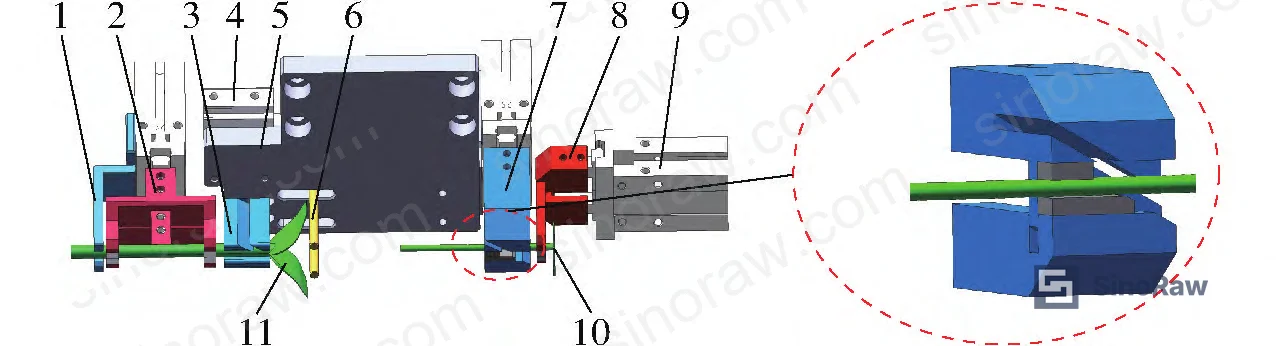
Spray distance interacts with this in a non-obvious way. Increasing spray distance from 3 mm to 6 mm actually improves coverage quality at moderate atomization pressures, because the longer travel time allows droplets to fully atomize before impact. Beyond 6 mm, film thickness drops below the functional threshold. At short distances (below 3 mm), the high-velocity spray disturbs previously deposited film.
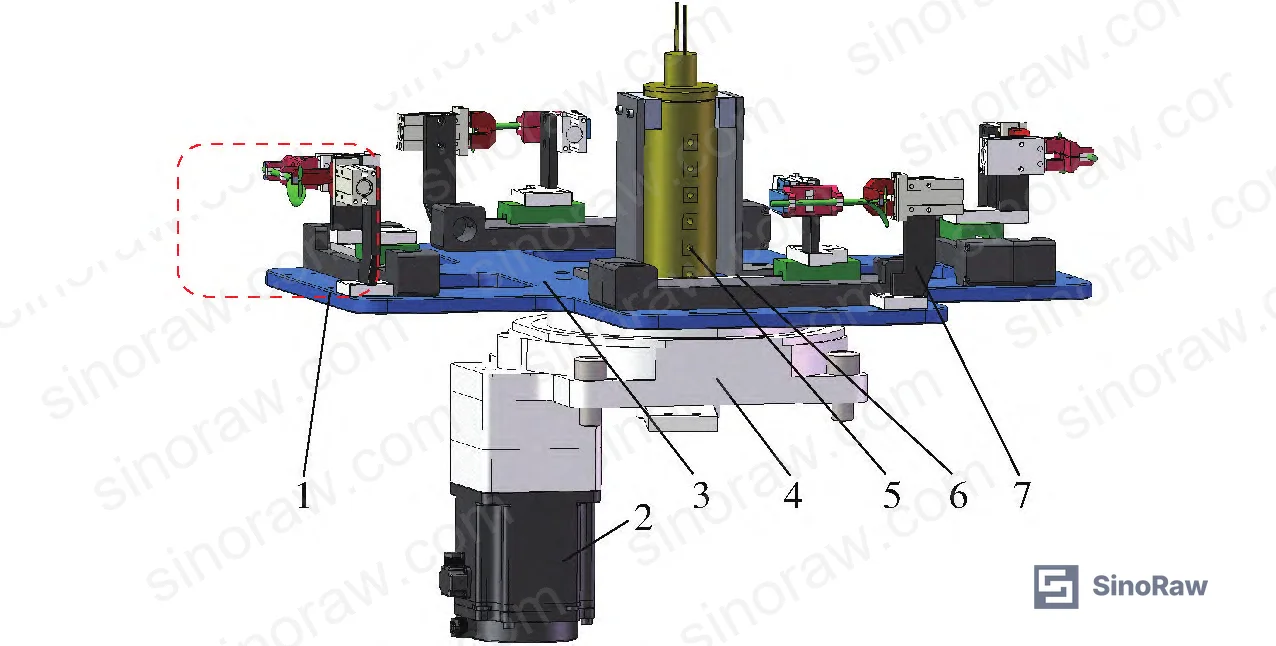
The combined effect is that the process window for acceptable film formation — defined here as atomization pressure 0.19–0.23 MPa and spray distance 3–6 mm — is narrower than it looks on paper. A ±10% variation in supply pressure within the 0.34–0.38 MPa band is tolerable. A ±10% variation in atomization pressure is not.
This is why process control instrumentation on the dispensing line matters as much as the adhesive specification itself. A UV adhesive with excellent material properties will still produce inconsistent bonds if the pneumatic system delivering it isn’t pressure-regulated to within ±0.01 MPa.
Practical Guidance for Buyers #
When you’re evaluating UV adhesive suppliers — whether for spray dispensing, conformal coating, or precision encapsulation — the single most useful thing you can ask for is atomization test data, not just a TDS. Any reputable supplier can provide a datasheet. What actually qualifies them is documented process performance data at your viscosity range and your pressure conditions.
At sinoraw.com, our role is to connect overseas procurement engineers with verified Chinese manufacturers of industrial adhesives and UV curing consumables — we’re not a manufacturer, but we’ve run enough supplier qualification cycles to know where Chinese UV adhesive producers are strong (competitive pricing on medical and industrial-grade acrylates, short lead times on custom viscosity grades) and where they need closer scrutiny (consistency of photoinitiator content between production lots, and traceability documentation for REACH-listed substances). If you’re initiating an RFQ for UV adhesive supply from China, come with viscosity, cure wavelength, and minimum irradiance requirements clearly defined — those three numbers will filter out 80% of unqualified suppliers before you spend time on samples.
For structural and UV adhesive sourcing from verified Chinese manufacturers, the data above gives you a defensible process window to anchor your incoming quality specs. For broader industrial adhesives and bonding applications, the same dispensing parameter logic applies across cyanoacrylate, anaerobic, and epoxy systems.
Key specs to lock down before issuing an RFQ:
- Brookfield viscosity at operating temperature (target: ≤10 MPa·s for spray atomization)
- Peak absorption wavelength for photoinitiator system (confirm match with your lamp source)
- Minimum irradiance for rated cure time (don’t accept “fast cure” without this number)
- Lot-to-lot viscosity tolerance (±15% is a reasonable starting point; tighter if your process window is narrow)
- Post-cure flexibility rating if the bond interface will experience differential expansion
Frequently Asked Questions #
What viscosity range is suitable for spray-atomized UV adhesive dispensing?
Based on validated dispensing data, medium-viscosity formulations in the range of 4–15 MPa·s atomize reliably through pneumatic spray valves at pressures of 0.15–0.25 MPa. The specific adhesive evaluated here, at 5.5 MPa·s, represents a practical midpoint. Higher-viscosity products (>50 MPa·s) require heated dispensing systems or pressure-over-pneumatic amplification to achieve comparable atomization quality — a specification mismatch that adds both cost and complexity.
Does cure wavelength matter if the adhesive cures “under UV light”?
Yes, significantly. Photoinitiators are tuned to specific absorption peaks — typically 320 nm, 365 nm, or 385 nm depending on the formulation. A lamp that produces strong output at 385 nm will deliver poor cure performance on an adhesive designed for 365 nm, even at high total irradiance. Always confirm the lamp spectral output against the adhesive photoinitiator absorption peak before finalizing system design.
What’s the minimum irradiance needed for a 2-second cure time?
The 2-second cure time documented in this evaluation was achieved at 6,000 mW/cm² at 365 nm with a 10 mm working distance. At lower irradiances — such as the 100–300 mW/cm² typical of entry-level UV bench lamps — cure time will extend to 10–30 seconds or longer, which may be acceptable for low-throughput applications but will become a bottleneck in automated production lines.
How do I evaluate a Chinese UV adhesive supplier’s product consistency?
Request three production lot samples and test viscosity, cure time at your lamp conditions, and lap shear strength per ASTM D1002. Lot-to-lot viscosity deviation above ±20% from the nominal value is a red flag for photoinitiator concentration variability. Also request the SDS and confirm REACH compliance for all photoinitiator substances — this is non-negotiable for export to EU markets.
Is medical-grade UV adhesive necessary for industrial applications?
Not always, but it’s worth understanding what medical-grade qualification actually means before dismissing it. Medical-grade UV adhesives like the one evaluated here undergo biocompatibility testing per ISO 10993, which as a byproduct gives you stricter control on outgassing, extractable compounds, and lot traceability. For industrial applications involving food-adjacent environments, cleanroom assembly, or personnel skin contact during handling, that qualification baseline is genuinely useful — and the price premium over standard industrial-grade is often less than buyers expect.
Published by sinoraw.com Technical Team | Request a sourcing quote
Content reviewed by michael.fang | © sinoraw.com — All rights reserved. Unauthorized reproduction prohibited.


