

TL;DR #
Let me be direct: most buyers searching for UV curing adhesives get distracted by cure speed specs and ignore the two factors that actually determine long-term performance — yellowing resistance and optical stability under sustained UV exposure. If your application involves transparent or optically sensitive assemblies, those two metrics should drive your selection criteria before you even look at viscosity or lap shear numbers.
UV curing adhesives — predominantly acrylate-based systems — have carved out a significant role in precision encapsulation, optical bonding, and protective coating applications where fast, solvent-free processing is non-negotiable. But field evaluations across encapsulation use cases consistently reveal a gap between initial cure performance and 6–12 month optical retention. The adhesive that looks perfect on day one can be a yellowed, haze-prone liability by the time your customer is inspecting the finished assembly.
This article breaks down the formulation variables that actually matter: how UV wavelength selection affects cure uniformity, how additive modification (specifically benzotriazole-class UV absorbers) suppresses post-cure yellowing, and how substrate preparation and medium chemistry interact with adhesive performance in optically demanding applications.
UV Curing Adhesive Optical Performance: Color Shift Data and Formulation Comparison #
The core performance metric for optically sensitive UV adhesive applications isn’t cure speed — it’s color stability, measured through CIE L\a\b\* color space parameters. Recent encapsulation studies using acrylate UV adhesives provide some of the cleaner comparative data available for buyers evaluating these materials.
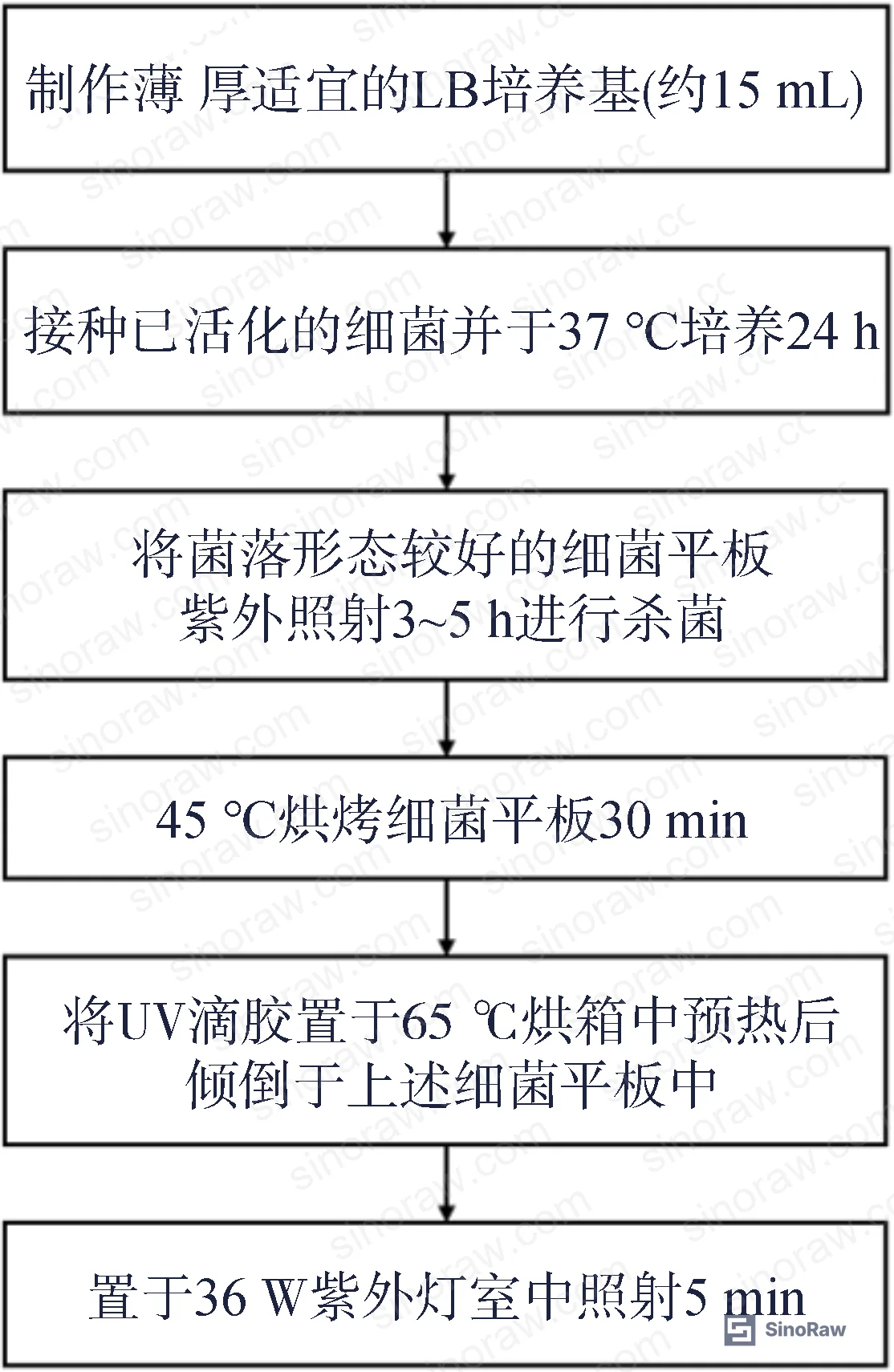
Baseline testing using a standard acrylate UV adhesive (36W UV lamp, 5-minute cure, ambient post-cure at room temperature for 48 hours) produced the following color shift profile across two substrate systems:
Baseline UV Adhesive Encapsulation — Color Parameter Shifts
| Parameter | System A (E. coli substrate) | System B (P. okeanokoites substrate) | Acceptance Threshold |
|---|---|---|---|
| L\* (Brightness) shift | +0.61 (39.36 → 39.97) | +1.49 (38.15 → 39.64) | Positive preferred |
| ΔE\* (Total color difference) | 1.59 | 1.94 | ≤ 3.0 |
| Δb\* (Yellow-blue axis shift) | +1.37 | +1.23 | Minimize yellowing |
| Hue angle shift Δh\* | 2.2° | 2.8° | < 5° typical |
| BTA-modified ΔE\* | 1.50 ± 0.22 | — | ≤ 3.0 |
| Low-salt substrate ΔE\* | 0.82 | 0.76 | ≤ 1.0 (CIEDE2000) |
The ΔE\ threshold of ≤ 3.0 is the widely cited tolerance under CIE 015:2018 Colorimetry and forms the basis for visual fidelity requirements in precision optical bonding standards. Both baseline systems pass this threshold — but the margin matters. A ΔE\ of 1.94 on day two with no thermal cycling or UV aging already consumes over 60% of your acceptable budget. That leaves almost nothing for the degradation that accumulates over months of ambient exposure.
The more interesting data point is the BTA-modified adhesive result: ΔE\ of 1.50 ± 0.22, with the critical b\ axis shift (yellowing indicator) dropping from −2.13 to −1.62. That’s a 79.3% reduction in yellow shift index (Δb\*) — a significant improvement in a single additive modification using 0.5% by volume benzotriazole (BTA, purity > 99.95%).
Honestly, most buyers over-specify cure speed — chasing sub-5-second full-cure numbers — when for optically bonded assemblies, yellowing resistance over a 12-month service life is the specification that actually fails in the field. A 15-second cure with a stabilized formulation will outperform a 3-second cure with an unstabilized one in virtually every optical application.
The mechanism is well-established: BTA absorbs short-wave UV in the 270–380 nm range, acting as a light screener that reduces photochemical degradation of chromophoric impurities in the resin matrix. This is consistent with behavior documented under ISO 4892-3 (Plastics — Methods of Exposure to Laboratory Light Sources) UV aging protocols, where UV absorber additives measurably extend optical retention.
Substrate Preparation and Medium Chemistry Effects on UV Adhesive Cure Quality #
UV adhesive performance doesn’t exist in isolation from the substrate it bonds to. In encapsulation applications — whether you’re sealing optical components, biological specimens, or precision sensors — the substrate chemistry directly affects the adhesive’s post-cure optical and mechanical behavior. This is where most procurement specifications fall short.
Two substrate optimization strategies produced measurable differences in final adhesive layer performance:
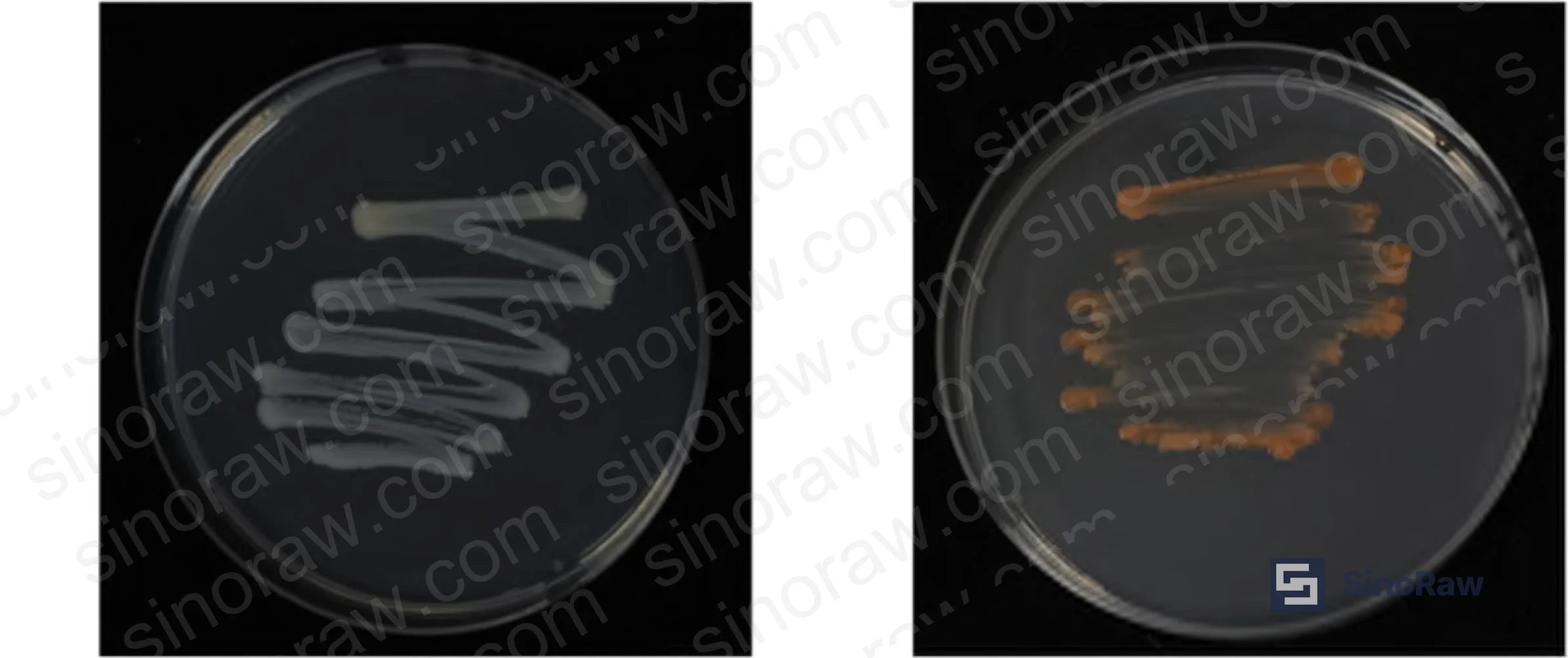
Low-salt substrate formulation: Reducing ionic content (from standard 10 g/L NaCl to approximately 1 g/L) produced L\ brightness increases of +0.78 (System A) and +0.71 (System B), with total color differences of ΔE\ = 0.82 and 0.76 respectively. These values satisfy the more stringent CIEDE2000 color difference standard threshold of ΔE\ < 1.0 — tighter than the general ΔE\ ≤ 3.0 visual threshold. The practical implication: substrate ionic strength contributes to post-cure haze in acrylate adhesive systems. Buyers using UV adhesives to bond or encapsulate hygroscopic or salt-containing materials should account for migration effects in their substrate prep protocols.
Anti-crystallization additive (glycerol at 1% by mass): Adding glycerol to the substrate medium maintained L\ with minimal drift (System A: 39.97 → 39.04; System B: 39.64 → 39.69), while reducing yellowing tendency on the b\ axis. Total ΔE\ values of 1.20 (System A) and 0.13 (System B) confirm the approach is optically conservative — it doesn’t dramatically improve brightness, but it suppresses the crystallization and whitening phenomena that degrade adhesive layer clarity over time. That 0.13 ΔE\ on System B is essentially zero visual change, which is exactly what long-term display or sealed assembly applications require.
In supplier qualification, we encountered adhesive lots where post-cure haze appeared within 30 days at ambient conditions — not from UV degradation but from substrate outgassing migrating into the adhesive interface. Three of six samples from one supplier batch showed visible whitening at the adhesive-substrate boundary before any accelerated aging was even applied. This isn’t captured in standard cure speed or initial bond strength data sheets, which is why qualification testing under representative storage conditions is non-negotiable for long-term applications.
The 36W UV lamp cure parameters used across this evaluation (5-minute exposure for full cure, 36W sterilization lamp for 3–5 hours prior surface treatment) are consistent with typical actinic output in the 315–400 nm UVA range. For reference, a 150W UV source at 20 seconds exposure has been documented to reduce surface bacterial counts by over 95% in similar controlled settings — demonstrating that the same photoenergy that drives curing also contributes to substrate-level modifications that affect adhesion quality.
Most procurement teams don’t realize that ASTM D1002 lap shear testing — while still the standard reference for structural UV adhesive qualification — was not designed to capture the optical degradation modes that matter most in encapsulation and display applications. Relying on lap shear alone to qualify a UV adhesive for optically sensitive use cases is a systematic specification gap that shows up in field returns, not in incoming inspection.
Additive Selection and Long-Term UV Adhesive Stability for Industrial Encapsulation #
The BTA modification data is worth examining more carefully for buyers sourcing UV adhesives for precision applications — particularly where the adhesive layer is itself optically functional (as in display bonding, sensor windows, or specimen encapsulation).
The full color parameter profile for BTA-modified vs. unmodified adhesive:
- L\* improvement: 39.97 → 41.07 (+1.10 ± 0.64) — measurable brightness increase
- a\* axis: −1.08 → −1.26 (−0.18 ± 0.22) — minimal green-red shift, practically negligible
- b\* axis: −2.13 → −1.62 (+0.51 ± 0.60) — blue shift indicating reduced yellowing
- ΔE\* total: 1.50 ± 0.22 — well within the ≤ 3.0 threshold
The 0.5% by volume addition rate is low enough that it doesn’t significantly alter viscosity or flow behavior of the base adhesive — relevant for buyers concerned about dispensing consistency in automated assembly lines. BTA at this concentration functions as an optical stabilizer, not a structural modifier. That said, BTA addition at higher concentrations has been documented to affect UV transmittance at the cure wavelength, potentially reducing cure depth in thick sections. That trade-off needs to be evaluated against the adhesive manufacturer’s recommended spectral window — typically centered around 365 nm for most acrylate photoinitiator systems, which is above BTA’s primary absorption band of 270–380 nm.
For buyers working with UV adhesive systems that require RoHS compliance or REACH SVHC clearance, BTA (CAS 95-14-7) should be verified against current substance lists. It is not currently listed as an SVHC, but given regulatory trajectory in the EU for azole-class compounds, procurement teams should confirm status with their chemical supplier before specifying it into a product formulation.
Honestly, the most underutilized quality lever for UV adhesive buyers is requesting additive disclosure from Chinese suppliers. Most standard data sheets list only viscosity, cure time, and lap shear. The presence or absence of optical stabilizers like UV absorbers, antioxidants, and plasticizers — all of which affect long-term performance — is rarely disclosed unless explicitly requested in the RFQ. Make it a line item in your technical questionnaire.
Explore related sourcing intelligence for complementary materials in our Silicone RTV & Sealant and Specialty Polymers knowledge bases for adhesive-adjacent applications.
Practical Guidance for Buyers #
When evaluating Chinese UV adhesive suppliers for encapsulation or optical bonding applications, the specification conversation needs to go deeper than viscosity and cure time. Request test data on ΔE\ color shift after 30-day ambient aging — not just initial cure properties. Any serious supplier should be able to provide CIE L\a\b\ data before and after aging. If they can’t, that tells you something about their QC maturity.
At SinoRaw, we work with overseas procurement engineers and sourcing managers to pre-qualify Chinese manufacturers of adhesives and polymer materials before RFQs are issued — so buyers receive comparable, technically grounded data across suppliers rather than incompatible spec sheets. Our evaluation framework for UV adhesives includes optical stability testing, additive disclosure review, and substrate compatibility assessment.
For optical encapsulation applications, specify ΔE\ ≤ 3.0 as a minimum acceptance criterion, with a preference for suppliers who can demonstrate ΔE\ ≤ 1.0 under CIEDE2000 after accelerated aging. Ask whether formulations include UV absorber additives and at what concentration. Confirm RoHS and REACH compliance documentation is current. Request sample cure at your actual lamp output and wavelength — not the supplier’s lab conditions — because cure uniformity at your operating wattage is what matters.
For bulk sourcing of UV adhesives with optical stability requirements, start your qualification process through our Structural & UV Adhesives sourcing category.
Frequently Asked Questions #
Q: What ΔE\* value should I specify for UV adhesive optical stability in a precision assembly application?
For most industrial optical bonding and encapsulation applications, ΔE\ ≤ 3.0 is the minimum acceptable threshold under CIE colorimetry standards — but that’s a floor, not a target. For display bonding, sensor windows, or any application where the adhesive layer is in the optical path, specify ΔE\ ≤ 1.0 measured against the CIEDE2000 standard after 30-day ambient aging. Field evaluation data shows BTA-modified acrylate systems achieving ΔE\* of 1.50 ± 0.22 without thermal aging, which is a reasonable baseline for supplier comparison.
Q: Does adding a UV absorber like BTA affect the cure speed of the adhesive?
At low addition rates (around 0.5% by volume), BTA’s impact on cure speed is minimal for adhesives with photoinitiator systems centered above 380 nm. BTA’s primary absorption band is 270–380 nm, so some attenuation of cure energy is possible at the lower end of that range. For thick-section applications (>2mm), request cure-depth testing at your specific lamp spectrum and intensity to confirm penetration isn’t compromised.
Q: What’s the difference between using agarose versus agar in substrates bonded with UV adhesives?
Agarose has a tighter polymer network than standard agar, which reduces ionic migration and crystallization at the adhesive interface — both of which degrade optical clarity over time. For UV adhesive applications over salt-containing substrates, agarose or low-salt formulations reduce post-cure haze formation. This is a substrate-side issue, not an adhesive formulation issue, but it directly affects how the adhesive layer looks after 3–6 months.
Q: How do I verify a Chinese UV adhesive supplier’s optical stability claims independently?
Request cured samples (not data sheets) and measure L\a\b\ yourself with a calibrated colorimeter before and after 4-week ambient storage under consistent lighting conditions. Any total color shift ΔE\ above 3.0 against baseline is a disqualifier for optically sensitive applications. If you don’t have in-house measurement capability, a third-party lab running ASTM D2244 can provide the comparison data you need.
Q: Is benzotriazole (BTA) RoHS and REACH compliant for use in UV adhesive formulations?
BTA (CAS 95-14-7) is not currently on the REACH SVHC candidate list and is not restricted under RoHS Directive 2011/65/EU. However, regulatory status for azole compounds continues to evolve in the EU. Always request an up-to-date SDS and REACH compliance declaration from your supplier, and confirm against the current ECHA candidate list at time of purchase rather than relying on historical documentation.
Published by sinoraw.com Technical Team | Request a sourcing quote
Content reviewed by michael.fang | © sinoraw.com — All rights reserved. Unauthorized reproduction prohibited.


