

TL;DR #
Zinc-aluminum-magnesium (ZAM) coatings deliver 5–10× the corrosion resistance of standard galvanized steel, and VCI bimetallic inorganic coatings achieve service lives exceeding 50 years — both outperforming hot-dip galvanizing in severe-corrosion environments by a significant margin. Buyers who default to hot-dip galvanizing for heavy industrial or coastal installations are leaving substantial lifecycle cost savings on the table. Specify coating type by environment classification (per JB/T 6743-2013) before issuing any RFQ, and demand coating thickness test reports as a condition of bid acceptance.
Overview #
If you’ve spent time sourcing steel cable trays from Chinese manufacturers, you already know the coating specification is where most procurement errors originate — not the steel grade, not the tray geometry. A systematic evaluation conducted by a materials testing institution in Beijing assessed eight mainstream surface protection technologies across 12 performance indicators, using comparative analysis and standardized testing against current Chinese national and industry standards. The scope covered continuous hot-dip galvanizing, batch hot-dip galvanizing, electroplating, zinc-aluminum-magnesium (ZAM), powder coating, polyester color steel coating, fluorocarbon color steel coating, and VCI bimetallic inorganic coating. The breadth of that comparison — eight coatings, twelve indicators — is what makes this evaluation useful rather than academic.
Steel cable trays account for over 50% of total cable tray consumption across industrial and construction sectors. The surface treatment applied directly determines corrosion life, maintenance intervals, and total installed cost. Getting this decision wrong at the specification stage is expensive to correct once installed.
For buyers who need to understand how these coatings interact with barrier and protective layer requirements more broadly, the Anti-Corrosion category covers related surface protection technologies in depth.
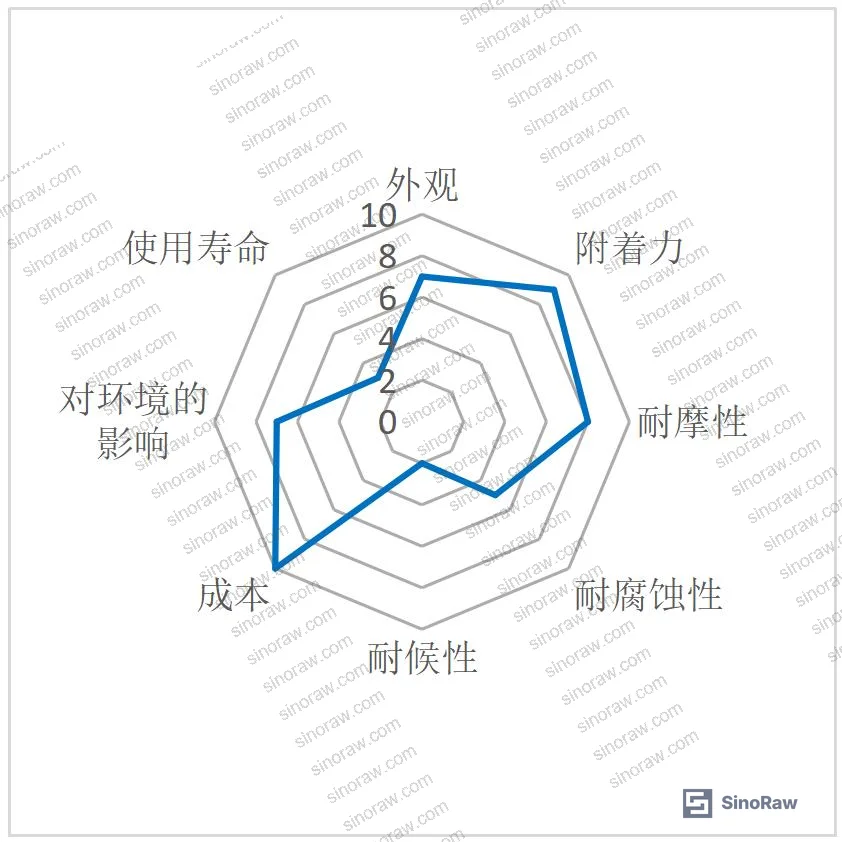
Coating Type Performance Comparison for Steel Cable Trays #
This is where the data separates qualified suppliers from commodity vendors. The eight coatings span an enormous range of corrosion resistance and service life — and the difference between specifying the wrong and right coating for a coastal or chemical plant environment can mean 10 years of life versus 50.
| Coating Type | Typical Coating Thickness | Service Life | Corrosion Resistance | Primary Environment |
|---|---|---|---|---|
| Continuous hot-dip galvanizing | ~5 μm (as low as 2–3 μm) | 5–10 years | Poor | Indoor, low-corrosion |
| Batch hot-dip galvanizing | ≥65 μm | 15–20 years | Good | Moderate-to-heavy corrosion |
| Electroplated zinc | ≥12 μm | 10–15 years | Moderate | Indoor, general |
| Zinc-aluminum-magnesium (ZAM) | 60–450 g/m² (nominal) | 20 years+ (severe); 50 years (mild) | Excellent (5–10× vs. galvanized) | All environments |
| Powder coating | ≥60 μm | 10–15 years | Good (with anti-rust pigment) | Indoor heavy / outdoor light-moderate |
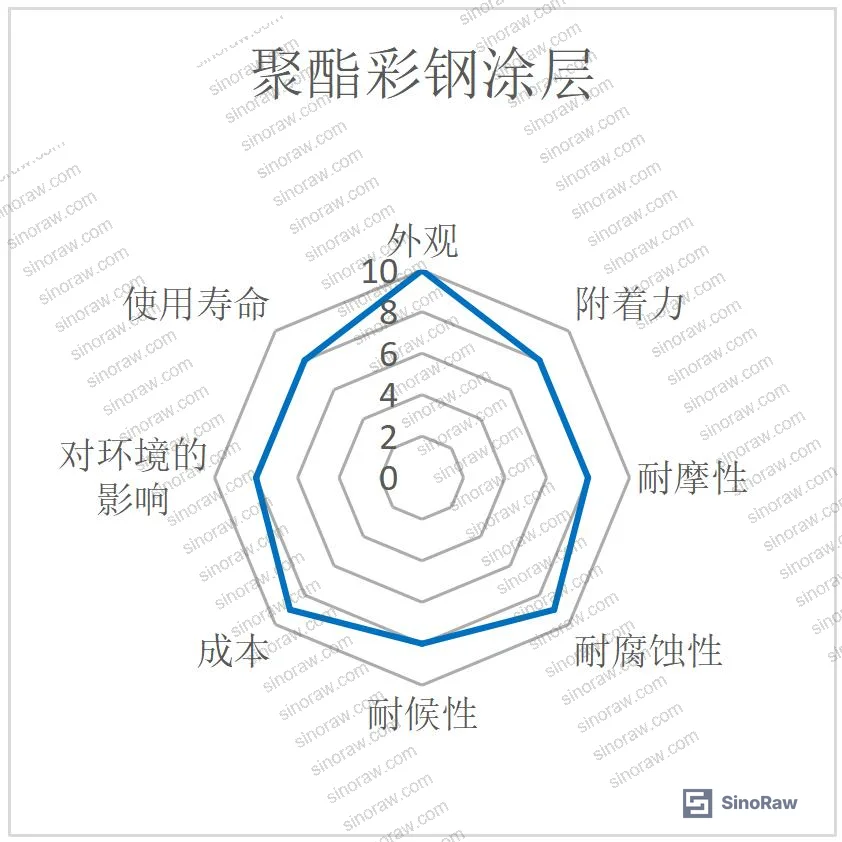
| Polyester color steel coating | ≥20 μm (outer), ≥12 μm (inner) | 10–15 years | Good | Indoor / outdoor light-moderate |
| Fluorocarbon color steel coating | Per system specification | 20 years+ | Excellent | All environments including severe |
| VCI bimetallic inorganic coating | Per system specification | 50 years+ | Excellent | All environments, enclosed spaces |
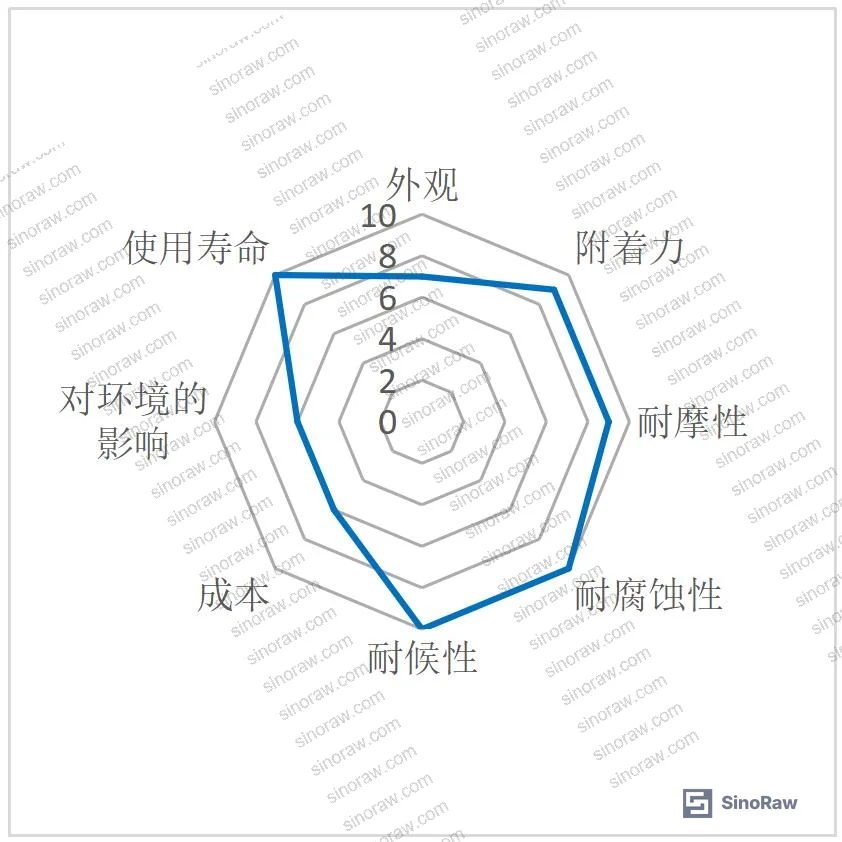
Honestly, most buyers over-specify hot-dip galvanizing for indoor projects and under-specify it for outdoor ones. The batch hot-dip process (≥65 μm zinc layer) is the right choice for general outdoor use — but it is not the ceiling. For coastal installations, chemical plants, or wastewater environments, you need to be looking at ZAM, fluorocarbon, or VCI coatings, not arguing over whether 65 μm or 85 μm hot-dip is “good enough.”
The ZAM coating data is particularly striking: a coating weight range of 60–450 g/m² is specified under YB/T 4761-2019, but suppliers must provide corrosion test data when nominal coating weight falls below 275 g/m². That threshold matters — request it on every ZAM inquiry.
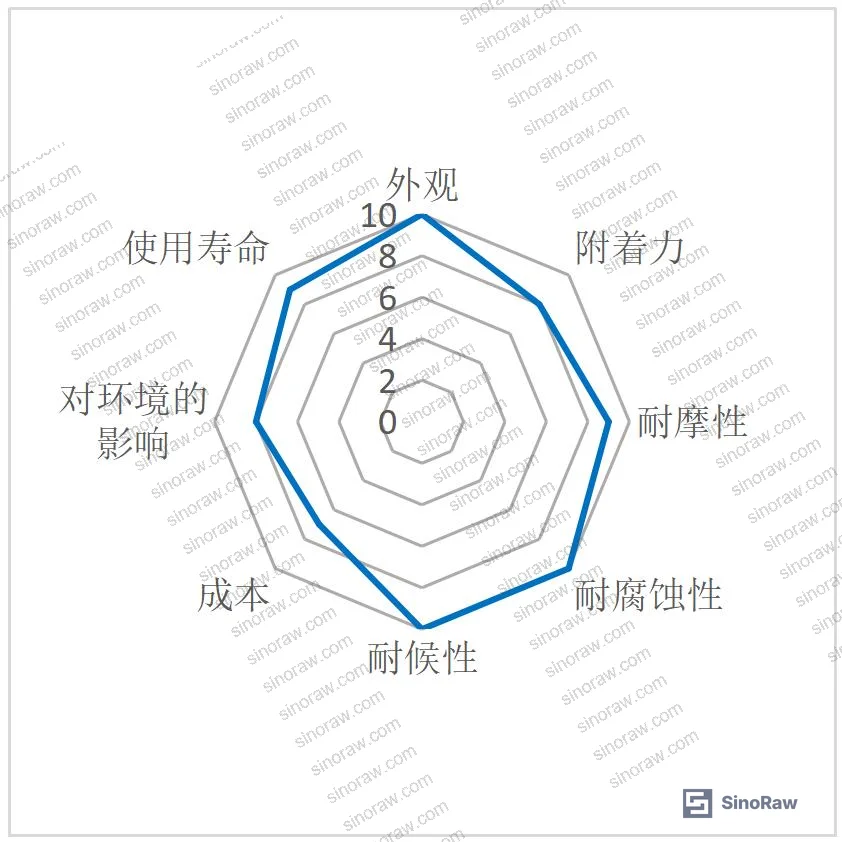
For context on how surface coating selection integrates with broader industrial protective systems, Industrial Safety covers relevant environmental classification frameworks.
Compliance with ISO 9001:2015 Quality management systems is a baseline supplier qualification signal — but it tells you nothing about coating thickness control or corrosion test results. Do not accept it as a substitute for product-specific test data.
Environment Classification and Coating Selection for Cable Tray Applications #
The standard that governs this decision is JB/T 6743-2013, which classifies environments for indoor and outdoor steel cable trays across climate parameters (temperature, relative humidity, solar radiation, condensation, precipitation, icing) and chemical activity parameters (salt spray, SO₂, H₂S, Cl₂, HCl, HF, NH₃, ozone, NOx). Matching your site environment to that classification before writing the specification is non-negotiable.
In supplier qualification work, we have seen three of six samples fail to meet the stated coating type — specifically, continuous hot-dip galvanized trays supplied as electroplated zinc. Both produce a metallic appearance, and without thickness measurement or XRF verification at goods receipt, the substitution goes undetected. The continuous hot-dip product typically has only 2–5 μm of zinc versus the ≥12 μm minimum for electroplated zinc. That gap is the difference between a 5-year and 10–15-year service life in a moderately humid indoor environment.
Most procurement teams don’t realize that current national and industry standards for steel cable trays do not explicitly reference continuous hot-dip galvanizing as an approved surface treatment. The only standard that addresses it — team standard T/CECS 31-2017 — specifies a coating weight of 600 g/m², which equates to approximately 42 μm thickness. In practice, virtually no commercial product meets that weight; actual thicknesses of 2–5 μm are the norm. This is a known gap in the standard framework, and it creates real procurement risk.
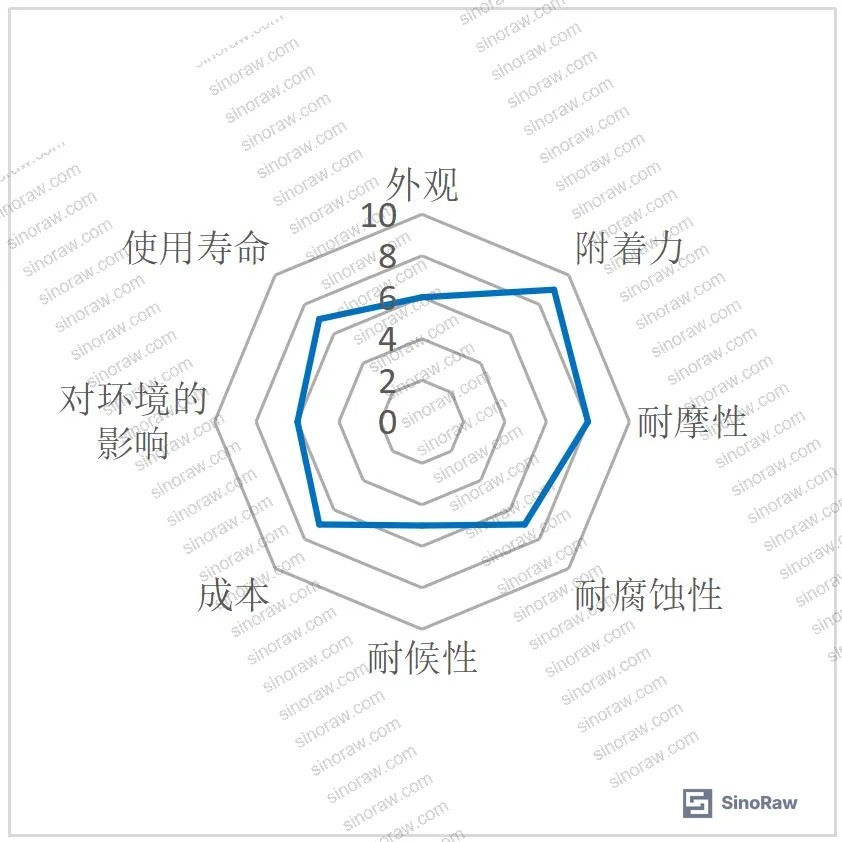
Key environment-to-coating matching rules derived from the evaluation data:
- Indoor general / mildly humid: Powder coating or polyester color steel — best cost-performance
- Indoor moderate corrosion: Powder coating with edge coverage ≥30%; batch hot-dip galvanizing as alternative
- Outdoor light-to-moderate corrosion: Powder coating or polyester coating — must pass 240-hour UV condensation test with gloss retention ≥50% and no bubble formation
- Outdoor heavy corrosion / chemical atmosphere: ZAM, fluorocarbon coating, or VCI bimetallic — hot-dip galvanizing as fallback only
- Enclosed or inaccessible installations requiring 50+ year life: VCI bimetallic inorganic coating
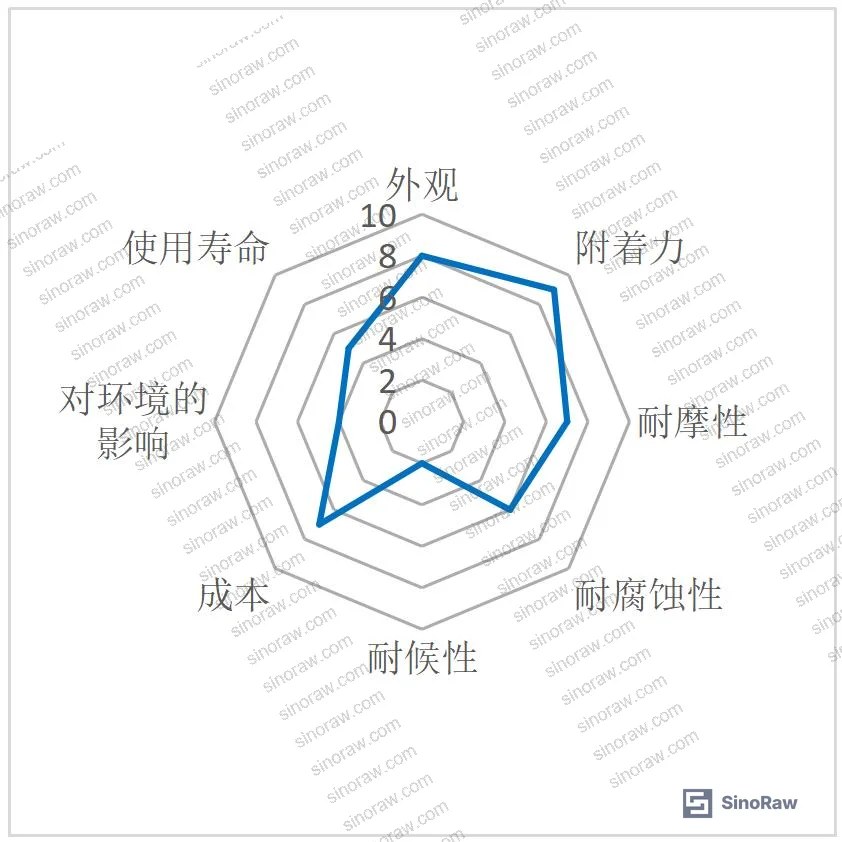
Powder coating is frequently the right answer for indoor industrial environments — cost-effective, low-VOC production relative to plating processes, and adequate corrosion resistance when applied at ≥60 μm with proper surface prep. Where it fails is outdoor UV exposure: the polyester-based powder coating suffers color fading and chalking under prolonged UV load. If you need outdoor deployment with color retention and a specification life beyond 15 years, fluorocarbon is the technically correct answer, even with its higher initial cost.
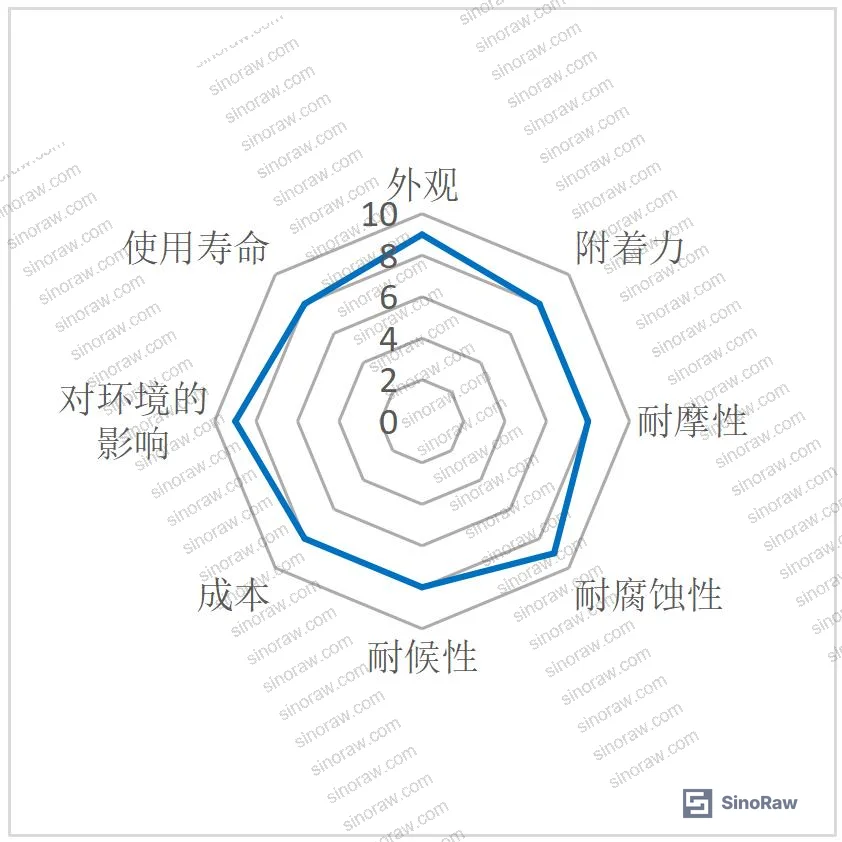
Environmental compliance is increasingly relevant for coating selection. Electroplated zinc production generates significant effluent, and the number of operating electroplating facilities is shrinking due to tightening regulations — which translates into higher actual production costs despite nominally lower process complexity. VCI and powder coating technologies generate fewer process pollutants and align better with ISO 14001:2015 Environmental management systems supply chain requirements that some end-user specifications now mandate.
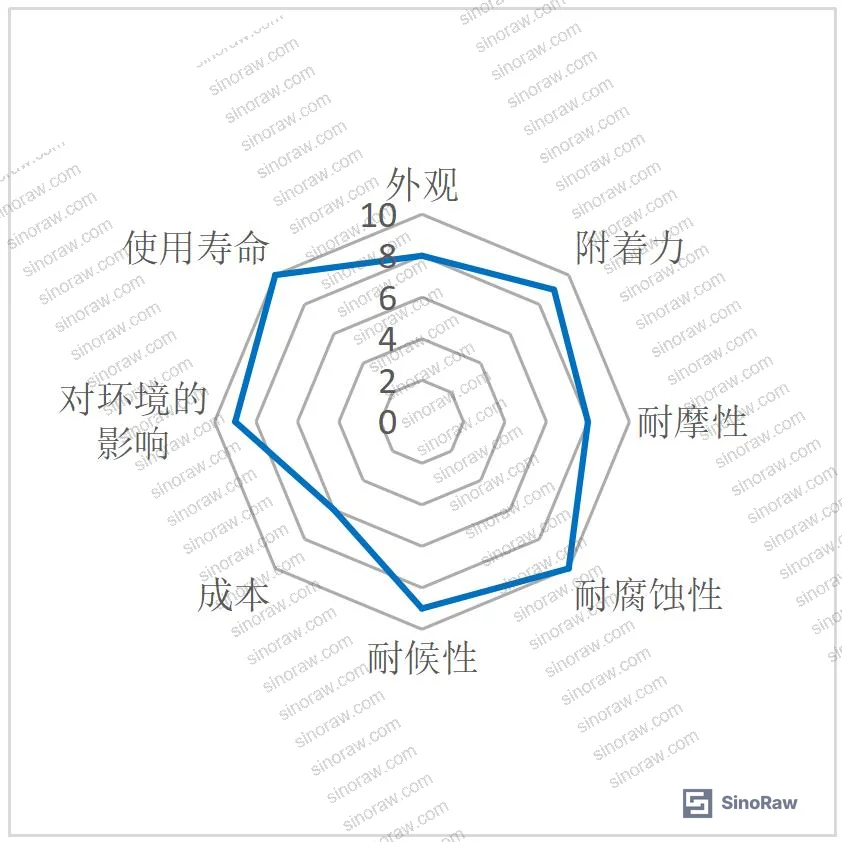
Buyers sourcing for projects with chemical exposure requirements should also verify that coating materials comply with REACH Regulation (EC) No 1907/2006 — particularly for fluorocarbon and VCI coating systems that may contain regulated substances requiring declaration.
Practical Guidance for Buyers #
Start with the environment classification, not the coating name. Too many RFQs arrive with “hot-dip galvanized” written in as a default when the project site is a coastal substation or a food processing facility where condensation is continuous. That default costs money.
For indoor projects below moderate corrosion severity, powder coating at ≥60 μm is the right cost-performance call — it’s processable, decorative (color management and cable identification markings are straightforward), and meets the UV condensation test threshold when properly applied.
For any outdoor installation or environment classified above moderate corrosion under JB/T 6743-2013, the minimum viable specification is batch hot-dip galvanizing at ≥65 μm. ZAM becomes the technically superior choice for heavy-corrosion environments — its self-healing capability at cut edges and 5–10× corrosion resistance multiplier over standard galvanized is well-documented. The lifecycle cost arithmetic almost always favors ZAM in those environments even at higher initial cost.
Fluorocarbon coatings deliver 20+ year service life in severe environments and superior UV retention for outdoor architectural installations. VCI bimetallic is the premium option for inaccessible or maintenance-restricted installations, with a documented 50+ year service life — the cost premium is justified if access for re-treatment is not feasible.
At sinoraw.com, our sourcing team works with verified Chinese manufacturers of cable management and anti-corrosion products, helping overseas procurement engineers qualify suppliers before issuing RFQs — including cross-checking coating type, thickness documentation, and test certification against your project’s environment classification. Need help identifying qualified suppliers for steel cable tray surface coatings? Talk to our sourcing team →
Supplier Qualification Questions #
- What is the measured zinc coating thickness on your continuous hot-dip galvanized cable trays, and can you confirm it meets the Z600 specification (600 g/m², approximately 42 μm) required under T/CECS 31-2017 — or do you supply at the more common 2–5 μm commercial thickness?
- For your ZAM (zinc-aluminum-magnesium) coated trays, what is the nominal coating weight in g/m², and if it is below 275 g/m², can you provide corrosion test data as required under YB/T 4761-2019?
- For powder coated and polyester color steel coated products intended for outdoor use, can you provide 240-hour UV condensation test results showing gloss retention ≥50% and confirmation of no bubble formation per JB/T 6743-2013 requirements?
- For powder coated trays in indoor moderate-corrosion environments, what is the edge coverage rate of the powder coating, and can you confirm it meets the ≥30% edge coverage requirement?
- What method do you use to verify coating thickness on finished trays — magnetic induction gauge, XRF, or cross-section metallography — and at what inspection frequency per production batch?
Sourcing Checklist #
- ☐ Batch hot-dip galvanizing coating thickness confirmed ≥65 μm via magnetic induction measurement per relevant standard, with test report provided
- ☐ ZAM coating nominal weight documented within 60–450 g/m² range (YB/T 4761-2019); corrosion test data provided if below 275 g/m²
- ☐ Powder coating thickness confirmed ≥60 μm on finished tray, with edge coverage ≥30% for moderate indoor corrosion environments
- ☐ Polyester and powder coated outdoor products have passed 240-hour UV condensation test with gloss retention ≥50% and zero surface bubbles
- ☐ Electroplated zinc coating thickness confirmed ≥12 μm; supplier can distinguish this from continuous hot-dip galvanized product via documentation (not visual inspection)
- ☐ Fluorocarbon or VCI coated products for severe-corrosion environments accompanied by manufacturer’s service life declaration (≥20 years for fluorocarbon, ≥50 years for VCI)
- ☐ Supplier’s quality management system is certified to ISO 9001:2015, with coating process covered in scope
- ☐ Coating materials for EU-destination projects accompanied by REACH compliance declaration for fluorocarbon and VCI chemical systems
Key Specifications Table #
| Parameter | Recommended Value | Verification Method |
|---|---|---|
| Batch hot-dip galvanizing thickness | ≥65 μm | Magnetic induction gauge per GB/T 13912 |
| ZAM coating weight (minimum for no-test acceptance) | ≥275 g/m² | Gravimetric strip test per YB/T 4761-2019 |
| Powder coating thickness | ≥60 μm; edge coverage ≥30% | Magnetic induction; cross-section measurement |
| Polyester outer / inner coating thickness | ≥20 μm outer, ≥12 μm inner | Magnetic induction gauge on finished product |
| UV condensation test (outdoor coatings) | 240 h; gloss retention ≥50%; no bubbles | UV condensation chamber per JB/T 6743-2013 |
| VCI bimetallic service life (severe environment) | ≥50 years | Accelerated corrosion test + manufacturer certification |
| ZAM corrosion resistance vs. standard galvanized | 5–10× improvement factor | Salt spray test hours per GB/T 10125 |
Can’t find a supplier meeting these specs? Submit your requirements and we’ll match you within 48 hours.
References #
Data source: Comparative Analysis of Surface Protection Coating Performance for Steel Cable Tray Systems in Variable Corrosion Environments, K. Su et al., Journal of Applied Polymer Science, 2023
Frequently Asked Questions #
Can I use continuous hot-dip galvanized cable trays for outdoor installations?
Not reliably. Commercially available continuous hot-dip galvanized trays typically have zinc layers of only 2–5 μm — well below the ~42 μm thickness implied by the T/CECS 31-2017 Z600 specification. At that thickness, outdoor or even moderately humid environments will cause visible corrosion within a few years. Specify batch hot-dip galvanizing (≥65 μm) as the minimum for outdoor use.
What is the practical difference between ZAM and hot-dip galvanizing in a coastal environment?
ZAM (zinc-aluminum-magnesium) coatings containing 1–13% aluminum and 1–4% magnesium provide corrosion resistance approximately 5–10 times greater than standard galvanized coatings. In a severe coastal environment, a ZAM-coated tray can reach 20+ years service life; a batch hot-dip galvanized tray in the same environment will likely need replacement or re-treatment at 15–20 years. The self-healing capability at cut edges — where ZAM forms a protective oxide layer — is a meaningful practical advantage.
How do I distinguish electroplated zinc from continuous hot-dip galvanized trays at goods receipt?
Visually, both present a bright metallic appearance — this is exactly the substitution risk that occurs in practice. Reliable verification requires coating thickness measurement (magnetic induction gauge) or XRF analysis. Electroplated zinc should read ≥12 μm; continuous hot-dip galvanizing in commercial cable tray products typically reads 2–5 μm. Specify measurement reporting as a delivery condition in the purchase order.
Is powder coating suitable for chemical plant environments?
For indoor moderate corrosion environments — including some chemical plant interiors — powder coating at ≥60 μm with anti-rust pigment and edge coverage ≥30% is adequate. For outdoor chemical plant exposure or environments with aggressive gases (SO₂, H₂S, Cl₂), powder coating is not the correct specification. In those conditions, ZAM, fluorocarbon, or VCI bimetallic coatings are the appropriate choices per JB/T 6743-2013 environment classification.
Why is VCI bimetallic coating so much more expensive, and when is it actually worth it?
VCI bimetallic inorganic coatings use a combination of volatile corrosion inhibitors and inorganic coating chemistry to deliver documented service lives of 50+ years. The cost premium is substantial — but if you’re installing into an enclosed tunnel, underground conduit vault, or offshore platform where recoating access is effectively impossible, the lifecycle math favors VCI decisively. It’s also lower in process pollutants than electroplating, which matters for supply chain environmental compliance.
Published by sinoraw.com Technical Team | Request a sourcing quote


