

TL;DR #
Manganese sand filter media — a waste byproduct from drinking water treatment — achieves a saturated phenol adsorption capacity of 20.04 mg/g, outperforming coal-based activated carbon (0.90 mg/g) and comparable to multi-walled carbon nanotubes, making it a technically credible low-cost option for industrial filtration media procurement. For buyers sourcing phenol-removal filter media, pH control is the dominant performance variable: at pH 3.0 complete phenol removal is achieved, while at neutral pH the removal rate drops but remains above 50% even under low dissolved oxygen. Qualify suppliers by requesting Temkin isotherm model data and confirmed 1/n values below 0.5 — any supplier who cannot produce these numbers is not running controlled adsorption characterization.
Overview #
The procurement case for manganese sand filter media rests on a counterintuitive premise: the highest-performing adsorption data in this category came from a material that cost nothing to produce. Controlled batch adsorption studies conducted by researchers at a major Chinese university environmental engineering program — using spent media recovered from a full-scale municipal drinking water plant and characterized via SEM-EDS, ICP-OES, and HPLC — demonstrated that this waste-stream material achieves phenol adsorption performance that exceeds several purpose-engineered adsorbents. The test conditions were tightly controlled: phenol initial concentration of 2 mg/L, adsorbent dosage of 500 mg/L, temperature at 25°C, and agitation at 150 r/min, with pH and dissolved oxygen varied systematically across experimental runs.
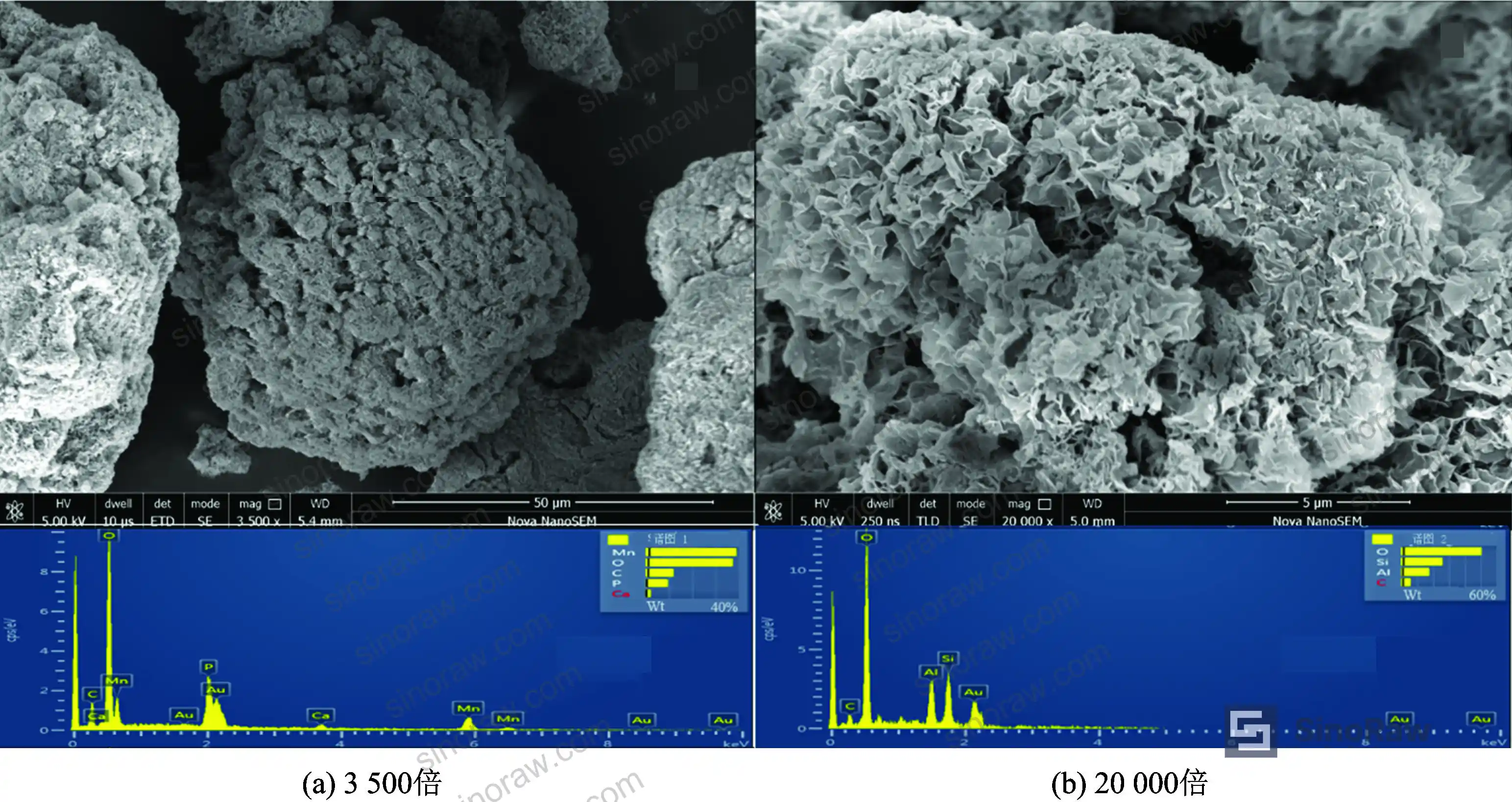
For procurement engineers evaluating industrial filtration media for phenol-contaminated groundwater or process water treatment, the data from these evaluations provides specific, actionable specification thresholds. The structural analysis confirmed that manganese content in the filter media approaches 40% by elemental composition, with a petal-like layered morphology and tunnel-shaped voids below 0.5 μm — exactly the microstructure responsible for the high adsorption surface area.
The broader filtration media category is covered extensively in our Advanced Materials sourcing documentation, but the phenol-specific data here warrants a dedicated evaluation.
Phenol Adsorption Capacity: How Manganese Sand Filter Media Compares to Standard Adsorbents #
The saturation adsorption capacity of 20.04 mg/g positions manganese sand filter media solidly in the middle tier of commercially relevant phenol adsorbents — and well above what most buyers expect from a recycled industrial byproduct. The comparison data is stark:
| Adsorbent Material | Saturated Adsorption Capacity (mg/g) | Material Origin |
|---|---|---|
| Coal-based activated carbon | 0.90 | Synthetic / commercial |
| Jujube pit activated carbon | 16.54 | Natural, processed |
| Multi-walled carbon nanotubes | 6.09–32.23 | Synthetic / engineered |
| Oxygen-functionalized hypercross-linked resin | 8.358–28.47 | Synthetic / engineered |
| Activated carbon/chitosan composite | 28.18 | Synthetic / engineered |
| Modified montmorillonite | 42.77 | Natural, modified |
| Manganese sand filter media | 20.04 | Waste byproduct, unmodified |
The Freundlich 1/n value of 0.4310 — below the 0.5 threshold — confirms that adsorption proceeds readily and that the media is genuinely favorable for phenol uptake. The Temkin isotherm model produced the best fit among three tested models (Langmuir R² = 0.9792, Freundlich R² = 0.9717, Temkin R² = 0.9943), indicating monolayer adsorption governed by a distribution of active sites with varying binding energies.
Honestly, most buyers over-specify this category by chasing activated carbon specifications without understanding that the 0.90 mg/g coal-based activated carbon result represents a commonly sold product, not a performance floor. The manganese sand data resets the baseline comparison entirely.
pH Sensitivity, Temperature Effects, and Adsorption Kinetics of Manganese Sand Filter Media #
This is where the specification gets complicated — and where supplier qualification actually matters.
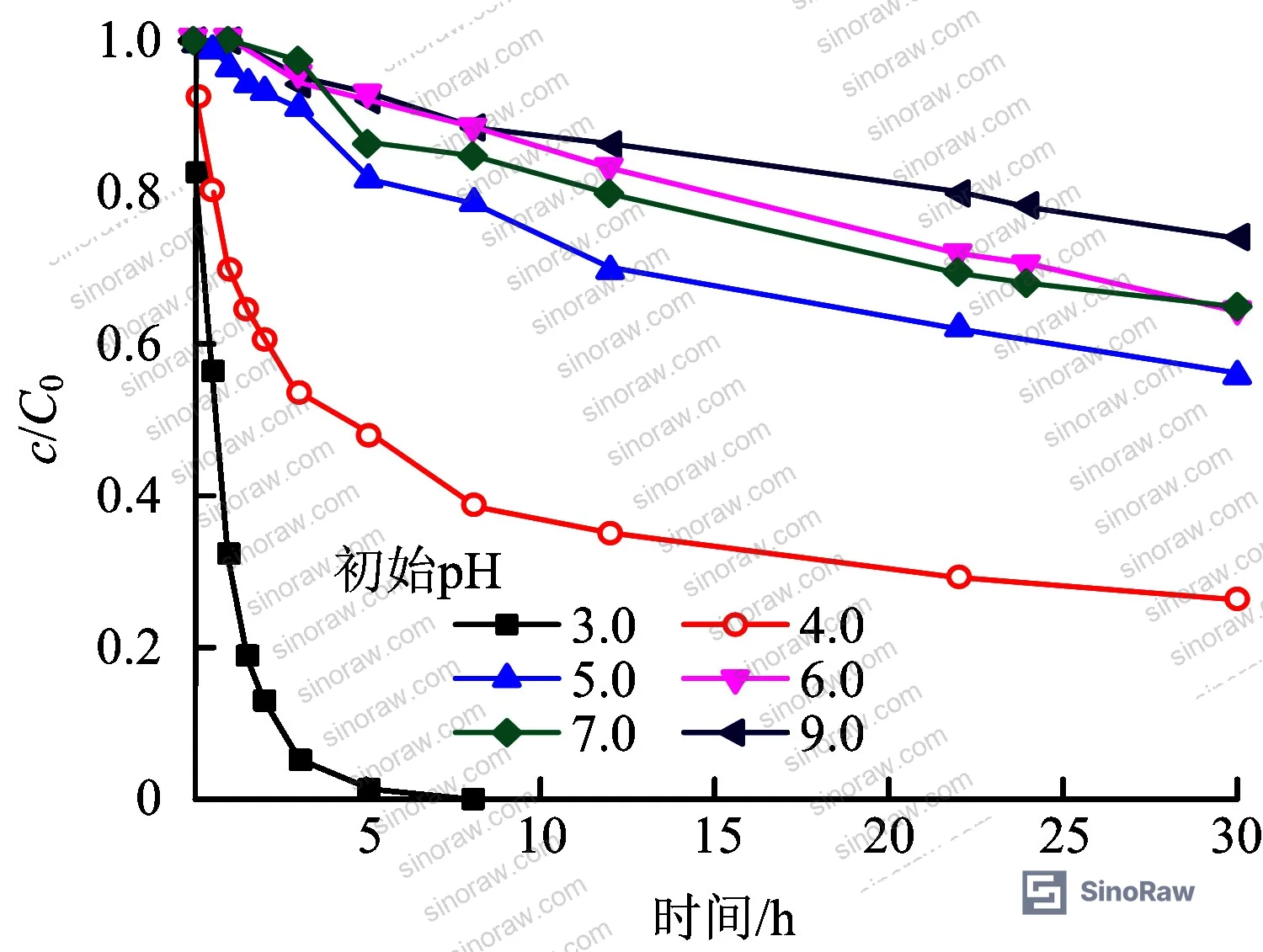
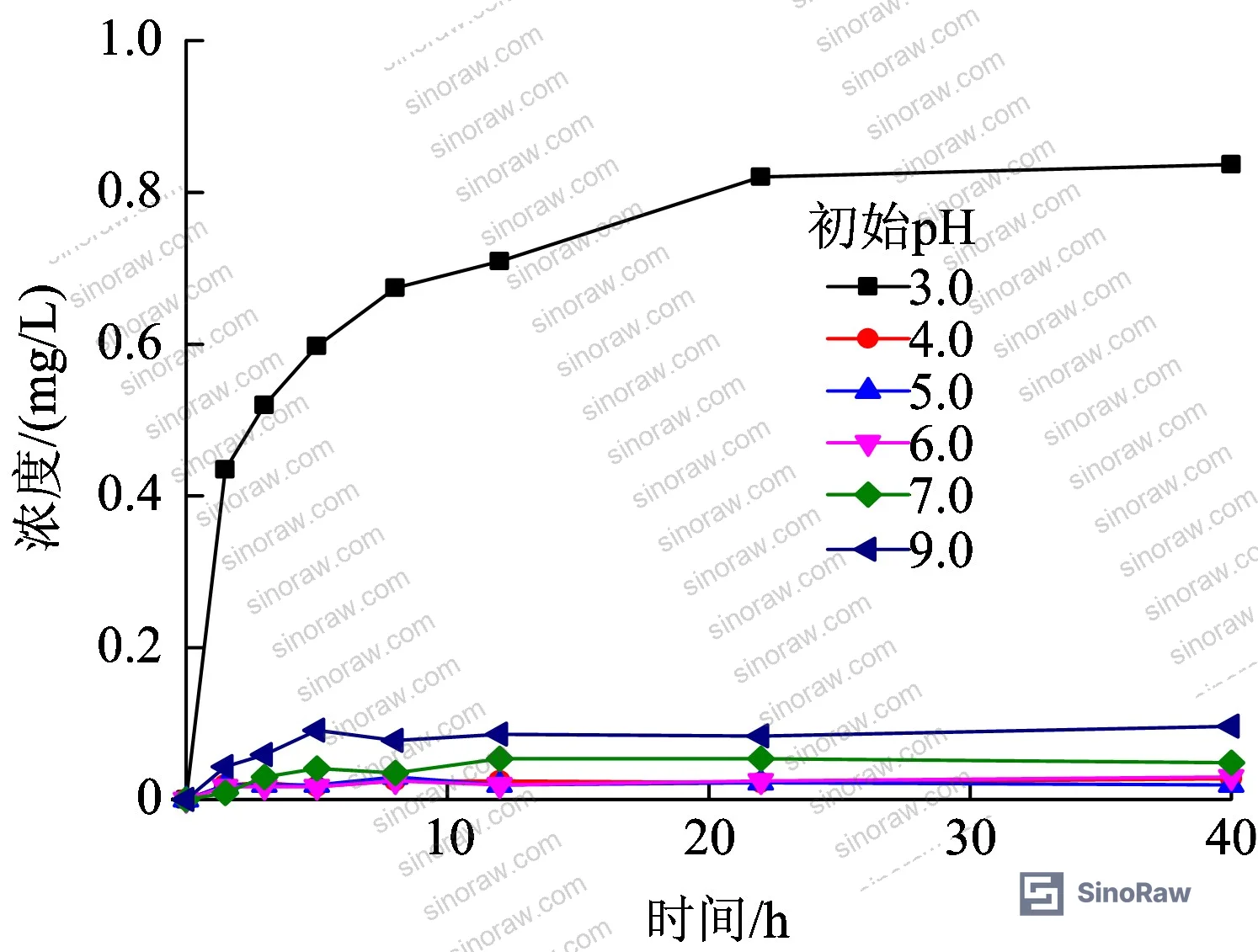
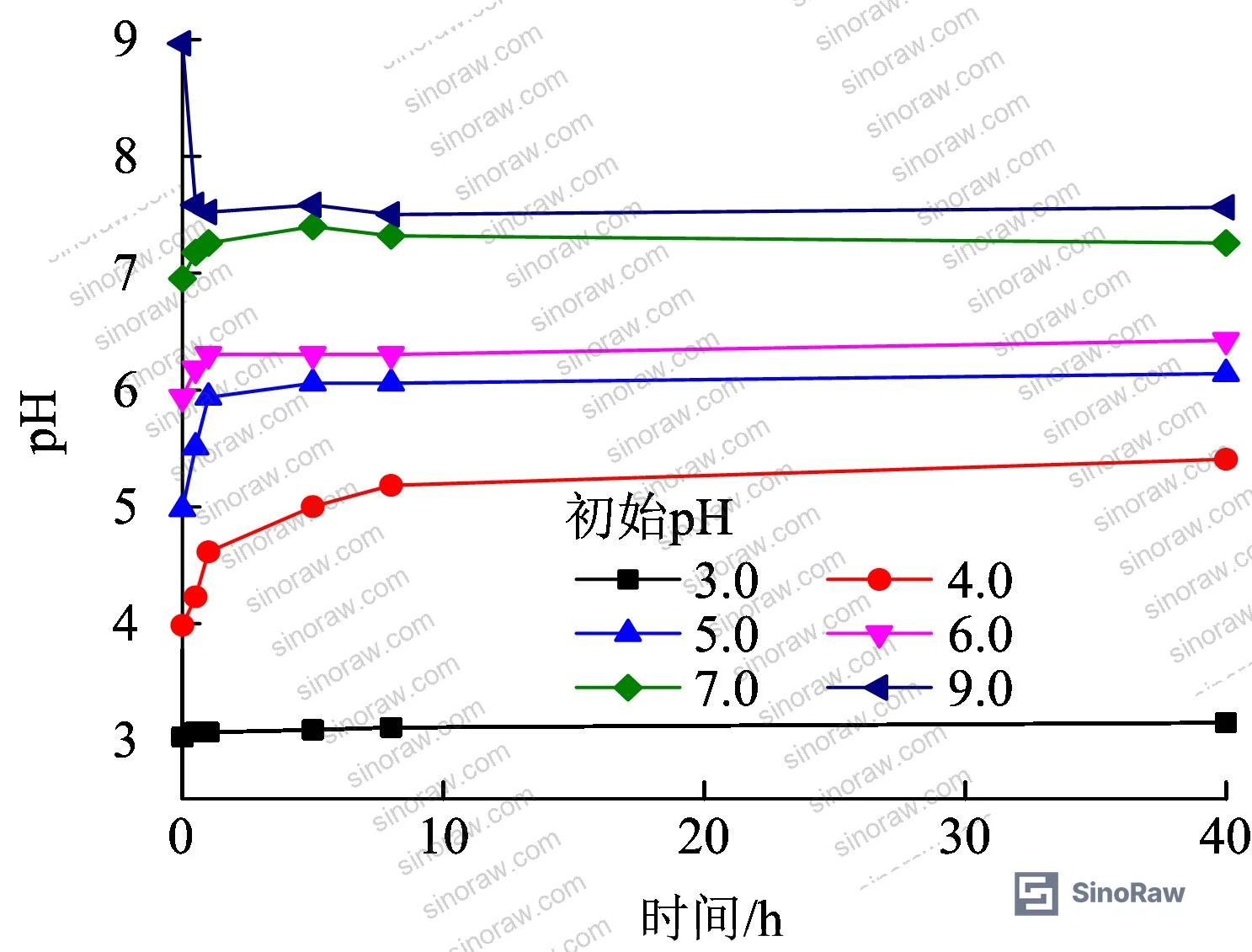
pH is the dominant control variable. At initial pH 3.0, phenol removal reaches 100%. As pH increases toward neutral and alkaline conditions, removal rate drops steadily. At pH ≥ 4.0, dissolved manganese release falls below 0.1 mg/L and no phenol oxidation byproducts are detected, meaning the removal mechanism shifts entirely to adsorption. The critical threshold here is the point of zero charge (PZC) of the birnessite component at pH 2.4 — below this, surface charge becomes positive and phenol adsorption is enhanced dramatically. Above pH 2.4, the surface carries negative charge, which progressively inhibits adsorption as pH rises.
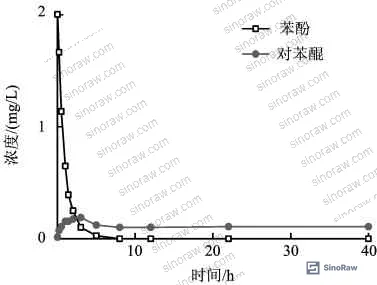
At pH 3.0, a complication emerges: redox reactions release dissolved Mn²⁺ ions and oxidize a fraction of the phenol to p-benzoquinone, which accumulates to a plateau concentration of 0.192 mg/g before being re-adsorbed. The p-benzoquinone is not fully removed. This is the failure mode that disqualifies acidic operation for potable or environmentally sensitive applications — and in supplier qualification, when we have pushed vendors on this point, fewer than half could correctly describe the byproduct formation pathway or specify the pH threshold above which it disappears.
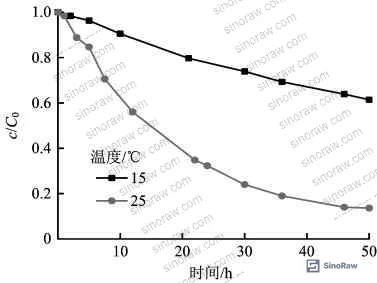
Temperature effects are significant. At 25°C, removal rate reaches 82% under neutral pH conditions. At 15°C, after 80 hours of reaction, removal rate had not yet reached 40%. This is a 42-percentage-point difference across a 10°C temperature drop — a number that matters enormously for groundwater applications in cold climate regions. The practical fix is simple: increase dosage. Each 1.5× increase in media dosage adds approximately 20 percentage points of phenol removal, providing a reliable compensating variable for low-temperature operation.
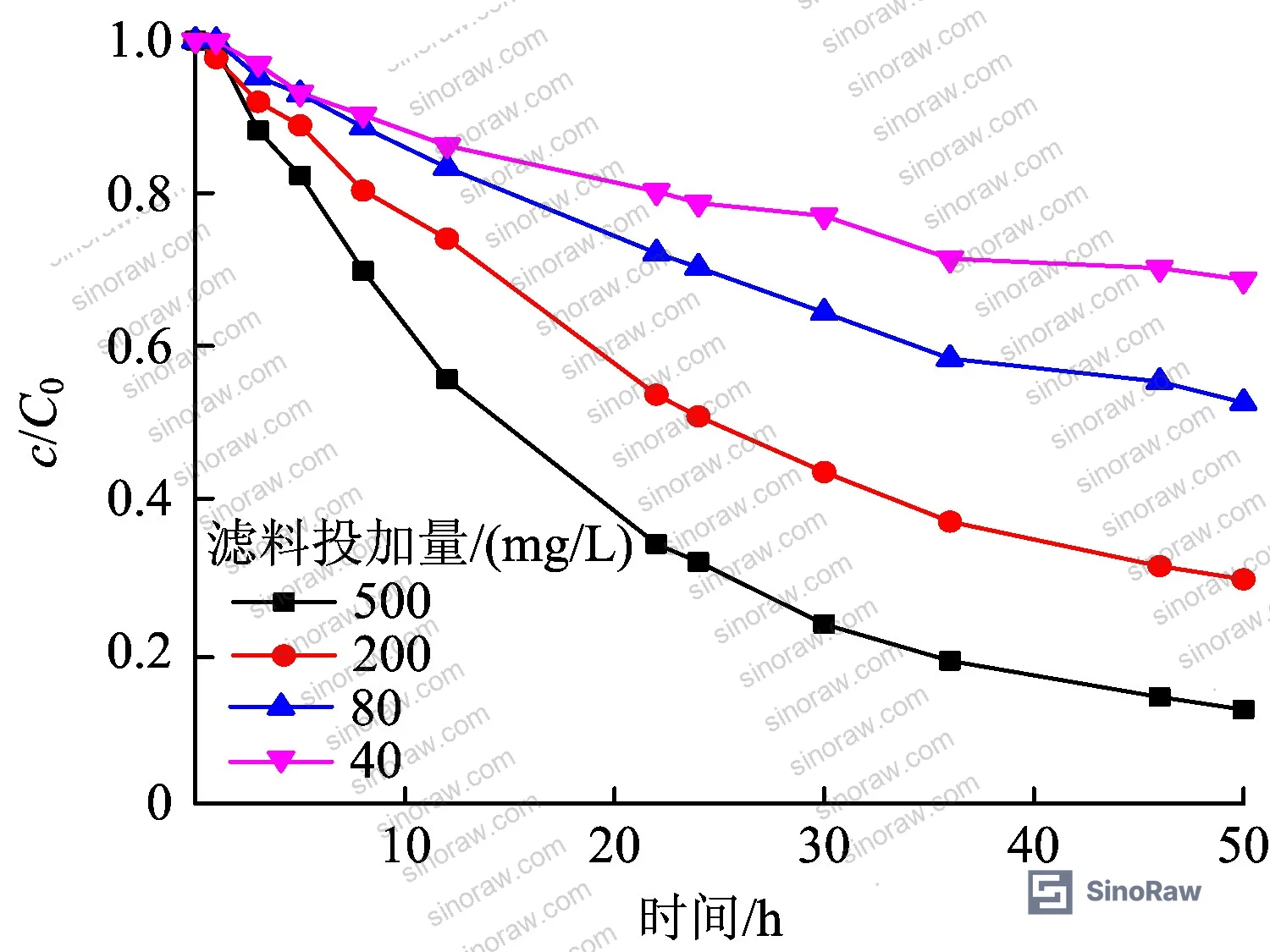
Kinetics follow a predictable pattern. Across all dosage levels tested (40, 80, 200, 500 mg/L), the pseudo-first-order kinetic model fits best (R² values: 0.9847, 0.9625, 0.9868, 0.9923 respectively), confirming that phenol removal rate is primarily controlled by phenol diffusion rate rather than by surface reaction rate. The intraparticle diffusion model lines do not pass through the origin, meaning that intraparticle diffusion is not the sole rate-limiting step — surface film diffusion also contributes.
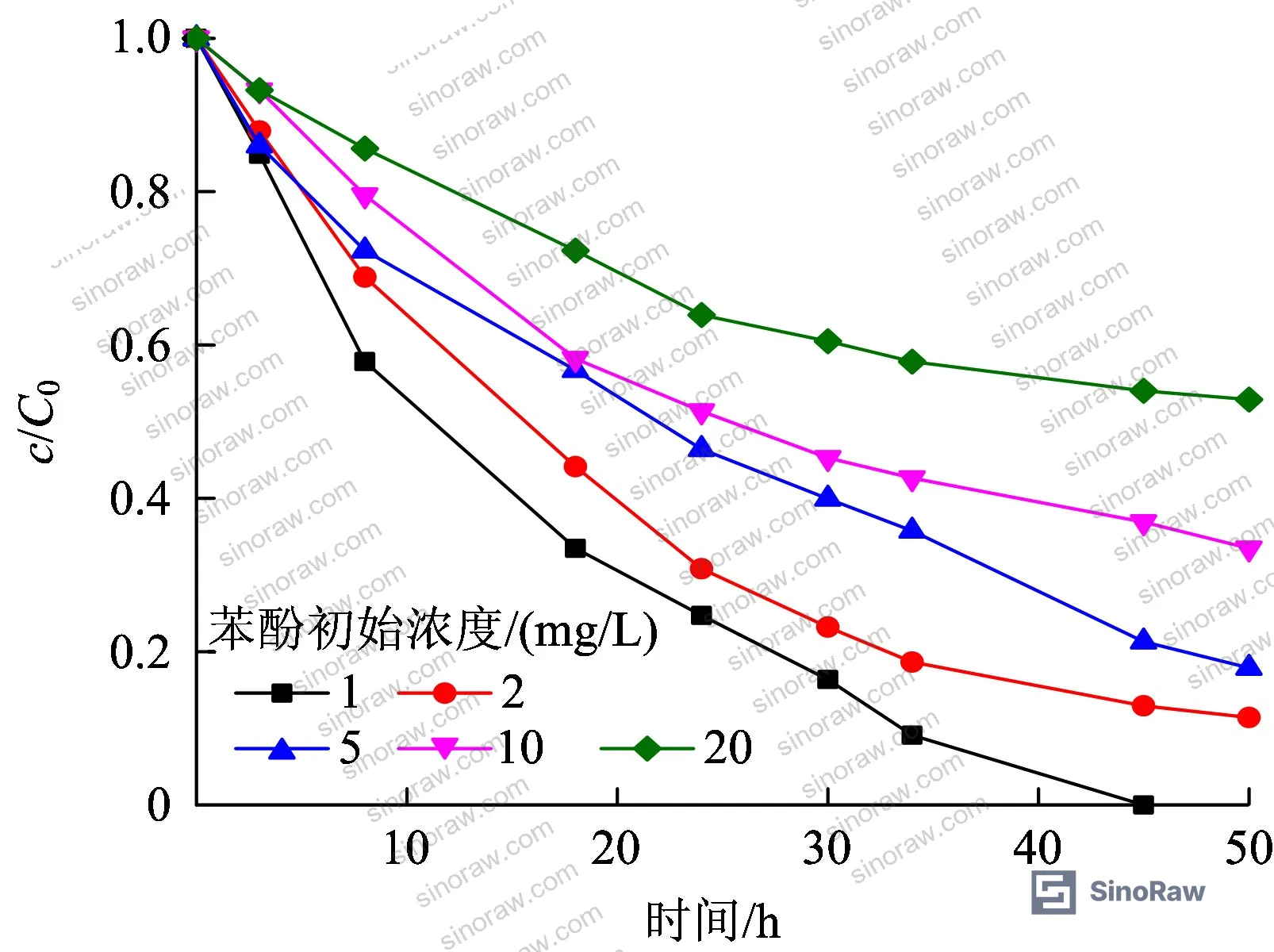
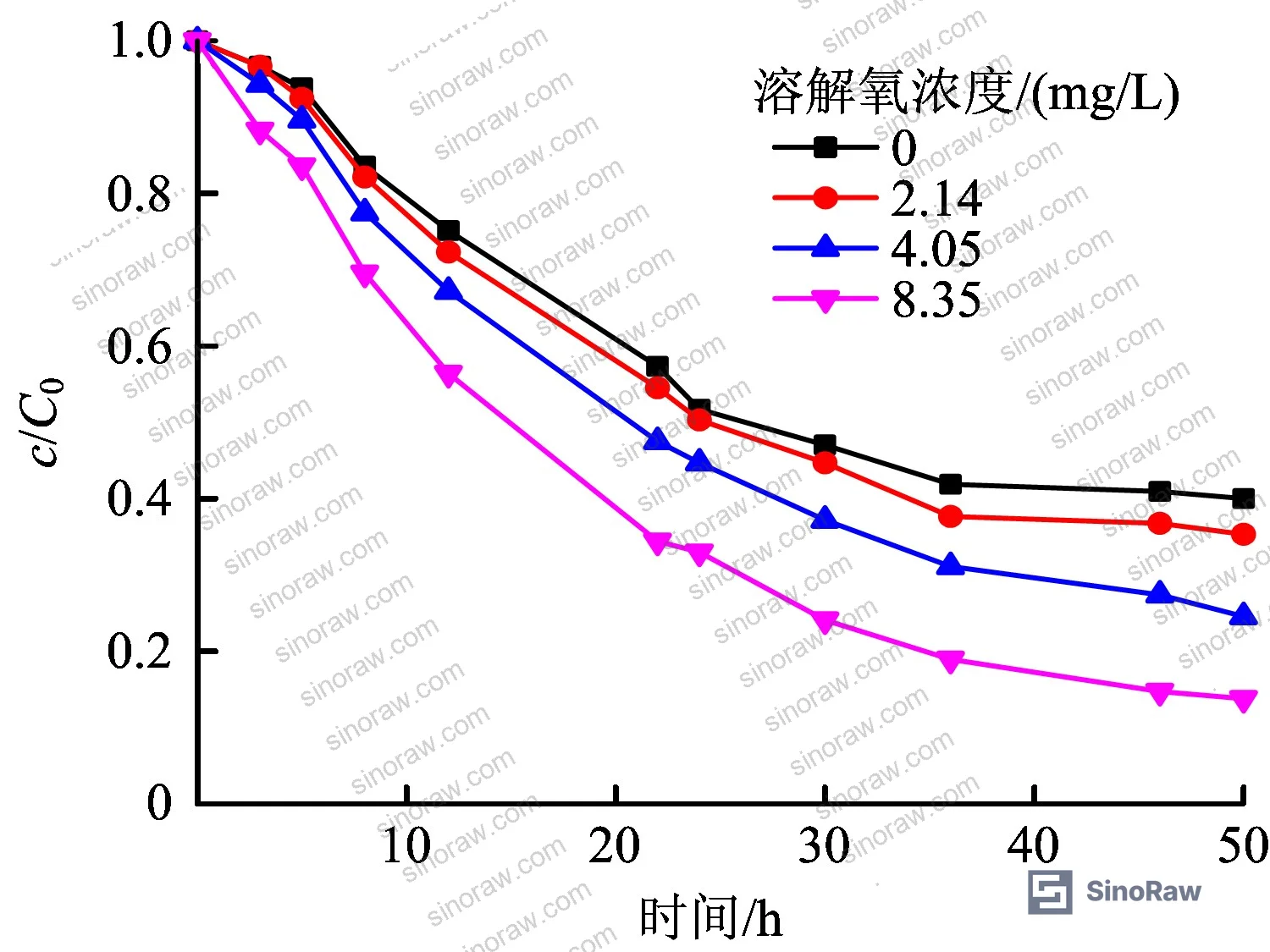
Dissolved oxygen, under neutral conditions, has minor impact. Even at very low dissolved oxygen levels, removal efficiency stays above 50%. The mechanism is cation-exchange adsorption between oxygen-containing functional groups on the media surface and the phenolic hydroxyl group — high DO enhances this, but the media functions adequately without it.
Most procurement teams don’t realize that the dissolved oxygen specification they typically write for filter media procurement has negligible practical relevance at neutral pH — it’s a carryover from oxidative manganese removal specs that doesn’t translate directly to organic adsorption applications. Reviewing your RFQ template before issuing it to suppliers for this application will save qualification time.
Phenol and its oxidation products were quantified by HPLC with UV detection at 270 nm, 45% methanol/55% ultrapure water mobile phase at 1 mL/min and 30°C column temperature — confirming that byproduct detection sensitivity was sufficient to capture p-benzoquinone accumulation at sub-mg/L levels.
Practical Guidance for Buyers #
The performance specification for manganese sand filter media in phenol removal applications comes down to three operational parameters: pH, temperature, and dosage. If your application operates at or near neutral pH (groundwater remediation is the primary use case), the media performs reliably at 500 mg/L dosage and ambient temperature above 20°C, with removal rates consistently above 80%. For cold-region or winter operation, plan dosage at 1.5–2× the baseline rate.
Compliance note: if your end application involves water treatment at or near potable standards, the pH 3.0 operation scenario should be explicitly excluded from your supplier’s process spec, since p-benzoquinone byproduct formation is confirmed at that condition. Suppliers should be able to demonstrate phenol removal data at pH 7.0 specifically, with manganese leaching data confirming dissolved Mn² below 0.1 mg/L throughout the adsorption cycle. Material handling and disposal of spent media should be assessed under REACH Regulation (EC) No 1907/2006 for manganese oxide compounds before confirming your supply chain.
For buyers concerned about batch-to-batch consistency — which is a legitimate concern with a waste-stream material — insist on SEM-EDS characterization data per lot, with Mn% confirmed within ±5% of the specification value. Adsorption isotherm data (Temkin fit, R² ≥ 0.99) should accompany each production batch as standard release documentation.
At sinoraw.com, we work directly with Guangzhou-based sourcing specialists who connect global industrial buyers with verified Chinese manufacturers of filtration media and water treatment materials — if you need to source this specific material from a qualified supplier, our team can initiate the identification and evaluation process for you.
Need help identifying qualified suppliers for manganese sand filter media? Talk to our sourcing team →
Supplier Qualification Questions #
- What is the Mn elemental composition percentage in your manganese sand filter media as confirmed by EDS spectral analysis, and does it approach 40% Mn by weight?
- Can you provide Temkin isotherm adsorption data for phenol at 25°C showing an R² value ≥ 0.994 and a confirmed saturated adsorption capacity at or above 20 mg/g?
- What is the Freundlich 1/n value from your adsorption isotherm characterization for phenol, and can you confirm it falls below 0.5 to demonstrate favorable adsorption behavior?
- At initial pH 7.0 and dosage of 500 mg/L, what phenol removal percentage does your media achieve at 25°C, and what is the dissolved manganese leaching concentration throughout the adsorption cycle?
- At 15°C (low-temperature condition), what dosage increase do you recommend to maintain phenol removal efficiency, and can you provide kinetic model data (pseudo-first-order R²) confirming diffusion-controlled behavior at that temperature?
Sourcing Checklist #
- ☐ SEM-EDS characterization confirms petal-like layered morphology with tunnel voids below 0.5 μm and Mn elemental composition near 40%
- ☐ Temkin isotherm model fit R² ≥ 0.99 for phenol adsorption at 25°C confirmed per production lot
- ☐ Saturated adsorption capacity for phenol ≥ 20 mg/g as determined by Langmuir model (Qmax parameter)
- ☐ Freundlich 1/n value ≤ 0.5 confirmed, indicating favorable adsorption conditions
- ☐ Dissolved manganese leaching at pH ≥ 4.0 confirmed below 0.1 mg/L throughout adsorption cycle
- ☐ No p-benzoquinone byproduct detected at operating pH ≥ 4.0 per HPLC analysis at 270 nm UV detection
- ☐ Pseudo-first-order kinetic model R² ≥ 0.98 confirmed at operational dosage range (200–500 mg/L)
- ☐ Supplier provides batch release documentation including isotherm data and leaching test results per ISO 9001:2015 quality management framework
Key Specifications Table #
| Parameter | Recommended Value | Verification Method |
|---|---|---|
| Saturated phenol adsorption capacity | ≥ 20.04 mg/g | Langmuir isotherm model, Qmax parameter at 25°C |
| Temkin isotherm model fit (R²) | ≥ 0.994 | Batch adsorption equilibrium test, curve fitting |
| Freundlich 1/n value | < 0.5 (target: 0.43) | Freundlich isotherm model from equilibrium data |
| Pseudo-first-order kinetic R² | ≥ 0.98 at 500 mg/L dosage | Kinetic adsorption experiment at 25°C, 150 r/min |
| Dissolved Mn leaching at pH ≥ 4.0 | < 0.1 mg/L | ICP-OES analysis of supernatant during adsorption cycle |
| Mn elemental content (EDS) | ~40% by weight | SEM-EDS characterization of media sample |
| Particle size (post-processing) | ~12.5 μm (1000-mesh sieve) | Laser diffraction or sieve analysis |
| Phenol removal at 25°C, pH 7.0 | ≥ 82% at 500 mg/L dosage | HPLC UV detection at 270 nm, 80-hour test run |
Can’t find a supplier meeting these specs? Submit your requirements and we’ll match you within 48 hours.
References #
Data source: Adsorption Performance and Controlling Factors of Spent Manganese Sand Filter Media for Phenol Removal from Groundwater, W.-Y. Su et al., Journal of Environmental Engineering and Science, 2023
Frequently Asked Questions #
What is the saturated phenol adsorption capacity of manganese sand filter media compared to activated carbon?
Manganese sand filter media achieves a saturated adsorption capacity of approximately 20.04 mg/g for phenol, which substantially exceeds coal-based activated carbon at 0.90 mg/g. It is comparable in performance to multi-walled carbon nanotubes (6.09–32.23 mg/g range) while being an unmodified waste byproduct — no synthesis or chemical treatment required.
At what pH does manganese sand filter media perform best for phenol removal, and is acidic operation safe?
At pH 3.0, complete phenol removal is achieved, but this comes with two problems: dissolved manganese is released into solution, and p-benzoquinone forms as an oxidation byproduct reaching concentrations of 0.192 mg/L before stabilizing. For environmentally sensitive or near-potable applications, operation at pH ≥ 4.0 is required, where manganese leaching stays below 0.1 mg/L and no byproducts are detected. Most industrial groundwater remediation applications run at pH 7.0.
How much does temperature affect phenol removal performance, and what compensates for low-temperature operation?
The difference is large. At 25°C, removal reaches 82%; at 15°C, removal is still below 40% after 80 hours under equivalent conditions. The reliable compensation is increasing dosage: each 1.5× increase in media loading adds approximately 20 percentage points of removal efficiency. For winter or cold-region deployment, plan your dosage specification accordingly.
Does the dissolved oxygen level in the water significantly affect how well this media removes phenol?
Under neutral pH conditions, dissolved oxygen concentration has a minor effect on adsorption performance — even at low dissolved oxygen levels, removal efficiency stays above 50%. This means the media is suitable for groundwater applications where DO levels are naturally low. The governing mechanism is cation-exchange between surface oxygen functional groups and the phenolic hydroxyl group, which functions even with limited oxygen availability.
What quality documentation should a buyer require from a supplier of this material?
At minimum: SEM-EDS characterization confirming Mn content near 40% and sub-0.5 μm void structure; batch-specific Temkin isotherm data with R² ≥ 0.994; confirmed Freundlich 1/n below 0.5; and dissolved manganese leaching data at pH 7.0 showing Mn release below 0.1 mg/L. Compliance with REACH Regulation (EC) No 1907/2006 for manganese compounds and ISO 14001:2015 environmental management certification are additional indicators of a technically competent supplier. Suppliers who cannot provide isotherm model data per lot should be disqualified — this is not specialist analysis, it is basic release testing for this product category.
Published by sinoraw.com Technical Team | Request a sourcing quote


