

TL;DR #
Rubber O-ring support systems exhibit strongly nonlinear, frequency-dependent stiffness and damping — and a hybrid simulation-experimental method validated to 99.7% agreement can characterize these parameters across the full 80–300 Hz working range without fabricating a custom test rig for every O-ring specification. For procurement engineers, this means that supplier-quoted static stiffness values are essentially useless for predicting dynamic behavior in high-speed rotating equipment: you need frequency-resolved data. Before issuing any RFQ for O-rings destined for flexible spindle support systems, require suppliers to provide equivalent stiffness (kr) and damping (cr) data measured across the relevant frequency range — not just a Shore hardness certificate.
Overview #
If you’re sourcing rubber O-rings for high-speed rotating machinery — textile spindles, precision spindles, or any flexible support application where the component must pass through critical speed points — the standard approach of specifying material grade and compression ratio is not enough. Static material data will not tell you how the O-ring behaves dynamically, and that gap is where field failures happen.
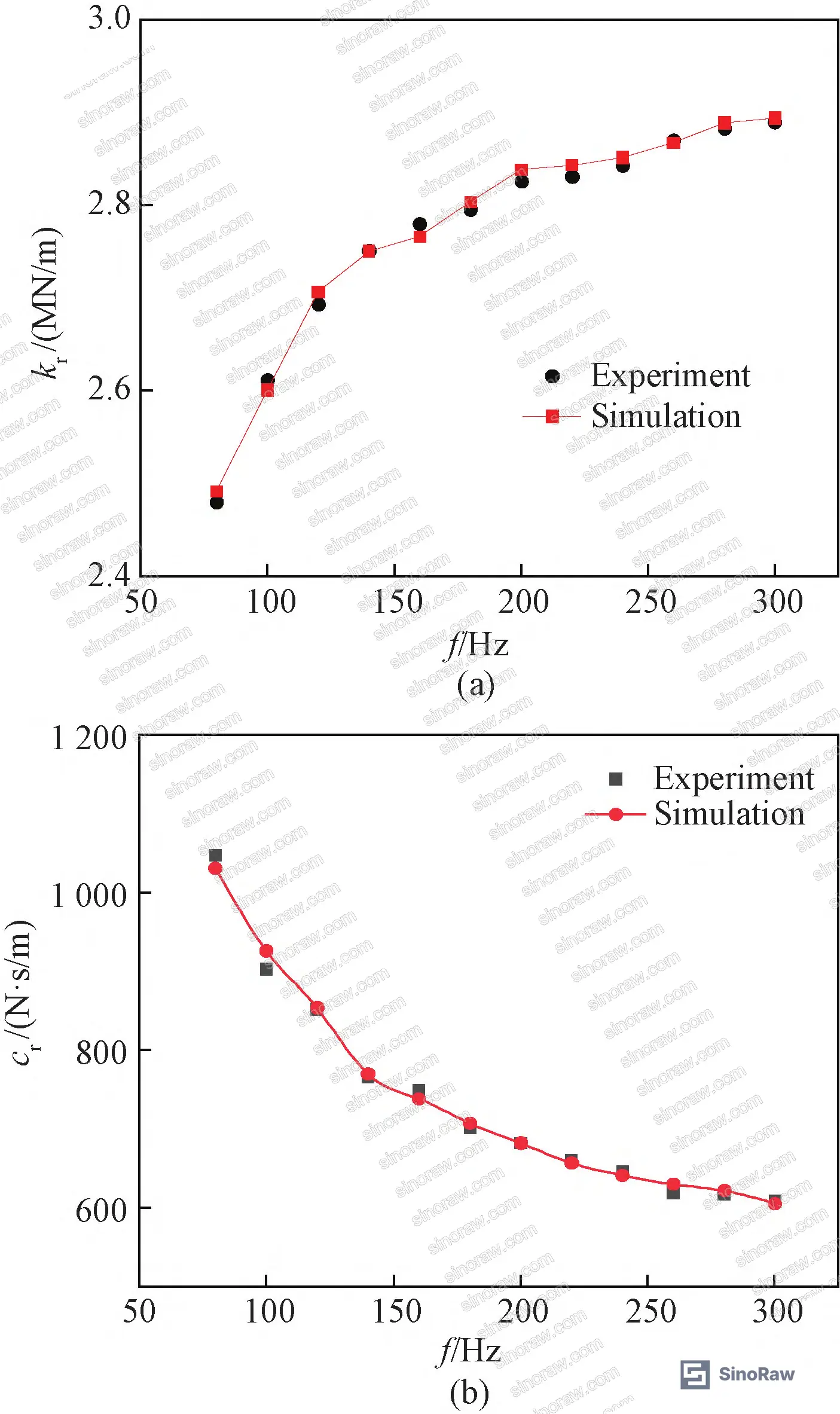
Research conducted at a major Chinese mechanical engineering institution examined the dynamic parameter identification problem directly, using a purpose-built forced non-resonance test apparatus combined with parametric finite element modeling. The study tested O-ring support systems across a frequency range of 80–300 Hz — the operationally relevant band for spindles running 0–16,000 r/min — and iterated simulation against experimental data until convergence. The result: a validated hybrid method achieving 99.7% agreement between simulated and measured equivalent dynamic parameters.
This is not an academic curiosity. High-speed winding spindles in polyester and nylon filament production operate at winding speeds up to 3,500 m/min for pre-oriented yarn (POY) and 5,500 m/min for fully drawn yarn (FDY), with spindle rotational speeds ranging from 0–9,000 r/min (POY) to 0–12,500 r/min (FDY). A single spindle can carry up to 16 filament packages. The O-ring flexible support system is what allows the spindle to pass through its critical speed points without destructive resonance. Get the O-ring dynamic parameters wrong, and you don’t get a warning — you get a failure.
For buyers working with Sealing & Thermal components in rotating machinery applications, the data in this article reframes what “qualified supplier” actually means.
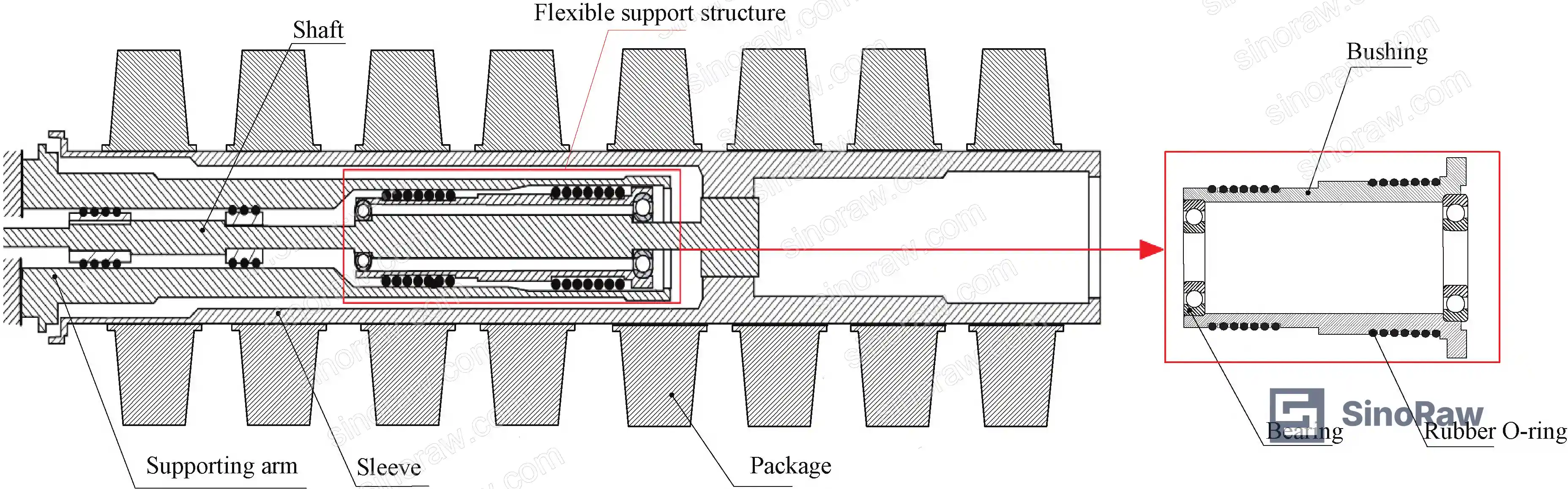
O-Ring Dynamic Parameters: Why Frequency Dependence Changes Everything #
This is the core issue that most procurement teams miss entirely. Rubber O-rings do not have a single stiffness value. Their equivalent stiffness kr(ω) and equivalent damping cr(ω) are both functions of excitation frequency — and the relationship is nonlinear.
Conventional hyperelastic constitutive models (Mooney-Rivlin, Ogden, Yeoh) describe rubber stress-strain behavior adequately for static loading. They fail for dynamic applications because O-ring performance depends simultaneously on compression ratio, temperature, and excitation frequency. Viscoelastic extensions improve this, but they still require accurate material parameter inputs that are difficult to obtain without dedicated dynamic testing.
The practical consequence: if a supplier characterizes their O-rings using only static compression tests or Shore A hardness, the stiffness and damping values they quote you are not the values your system will experience at 150 Hz or 250 Hz. The discrepancy is not small.
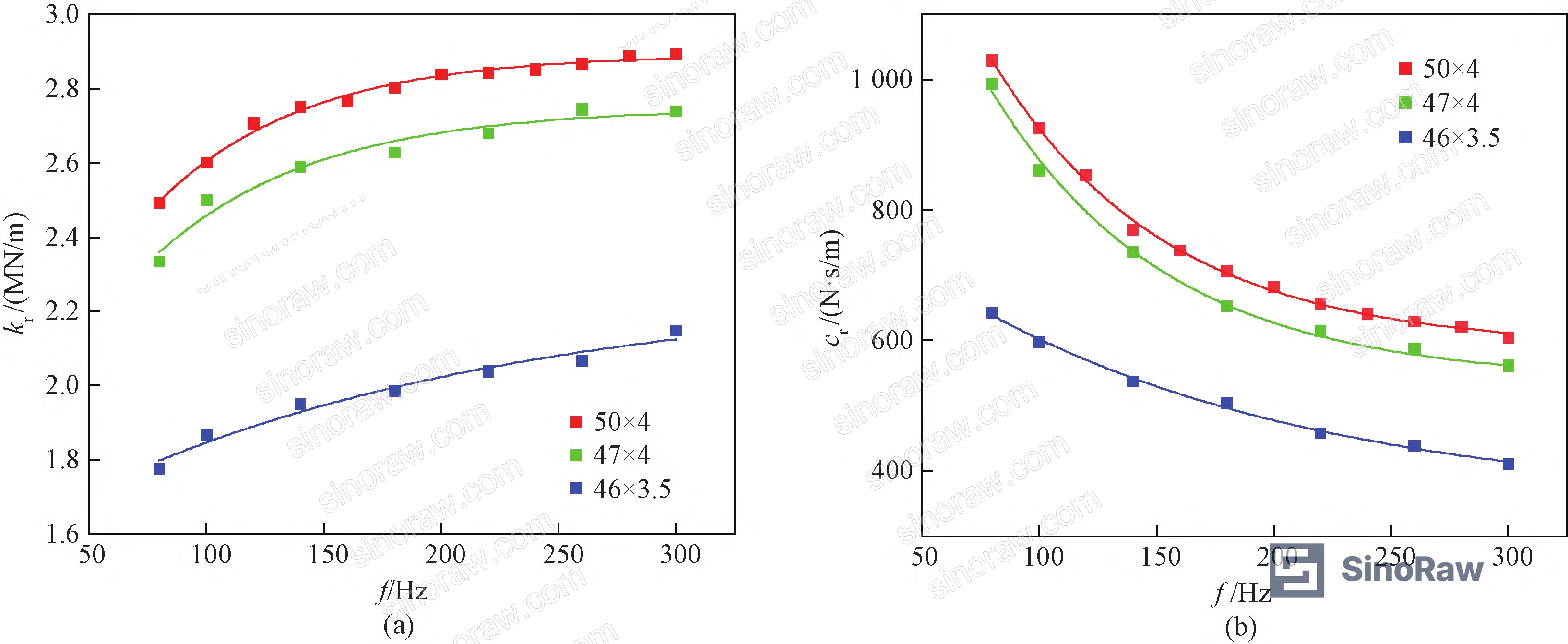
Frequency-dependent behavior across the 80–300 Hz test range:
| Parameter | Low Frequency (~80 Hz) | Mid Frequency (~180 Hz) | High Frequency (~300 Hz) |
|---|---|---|---|
| Equivalent stiffness k_r | Lower baseline | Moderate increase | Continued nonlinear rise |
| Equivalent damping c_r | Higher relative value | Decreasing trend | Further reduction |
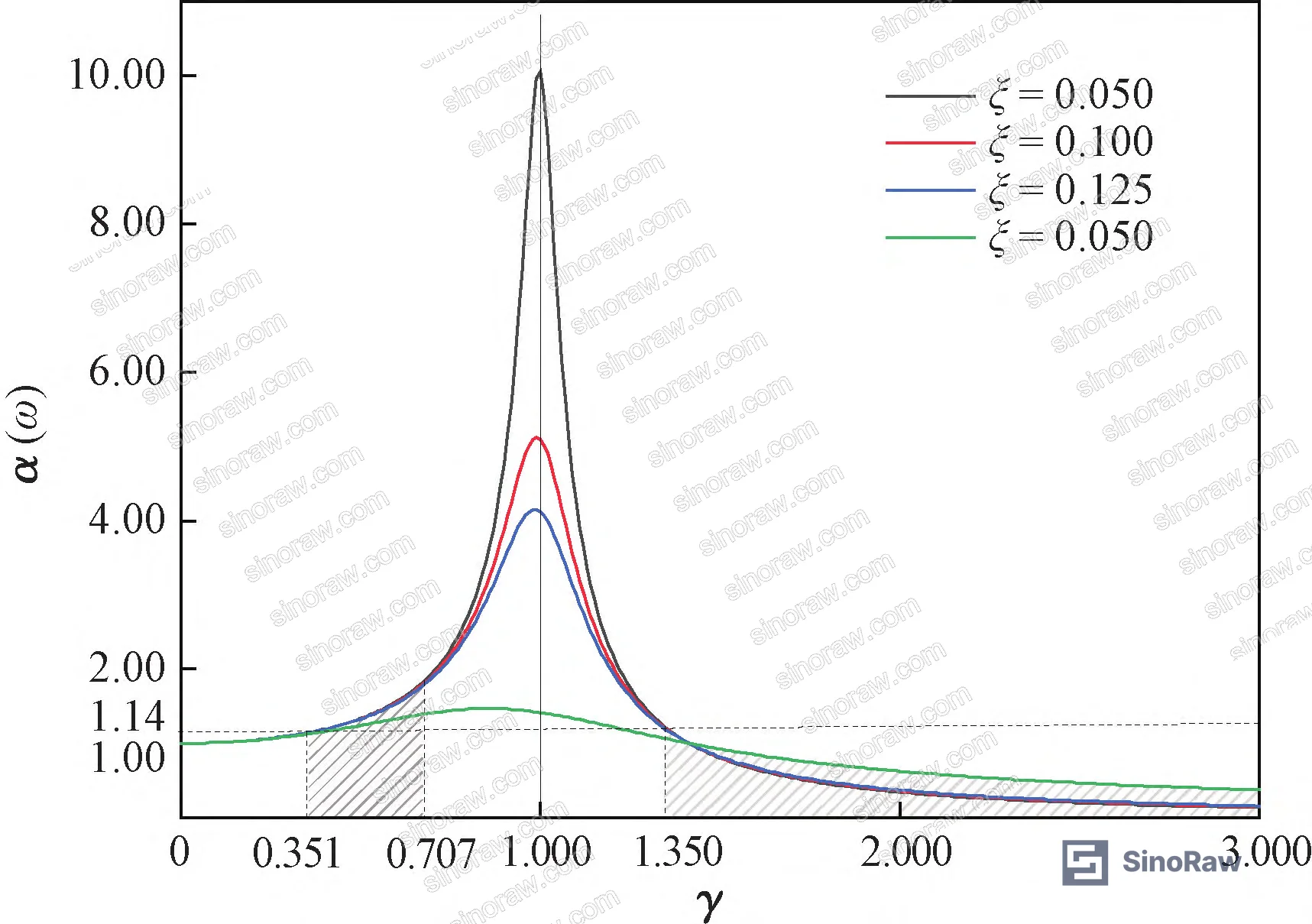
| Amplitude ratio α(ω) | Must satisfy α(ω) ≥ 1.14 | Stable measurement zone | Requires γ ≥ 1.350 |
| Frequency ratio γ condition | 0.351 ≤ γ ≤ 0.707 | Valid non-resonance range | γ ≥ 1.350 |
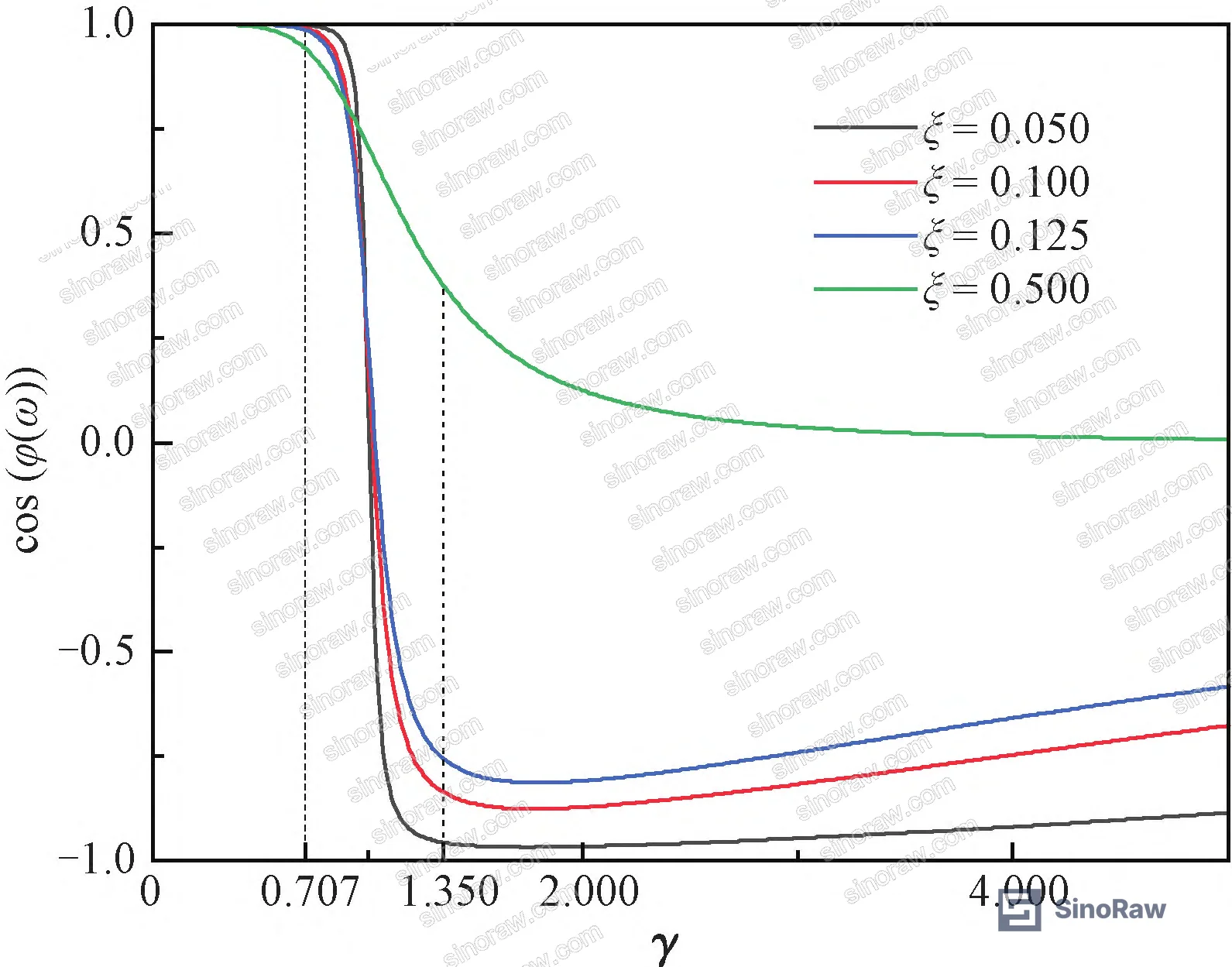
The forced non-resonance method used in this research applies external loads to the support system base — not directly to the vibration block — specifically to avoid exciting natural frequencies. This is critical: if excitation frequency falls within the range 0.707ωn < ω < 1.350ωn, the amplitude ratio α(ω) becomes highly sensitive to frequency ratio γ, and measurement errors compound rapidly. The test protocol enforces γ ≤ 0.707 or γ ≥ 1.350 to stay clear of this unstable zone.
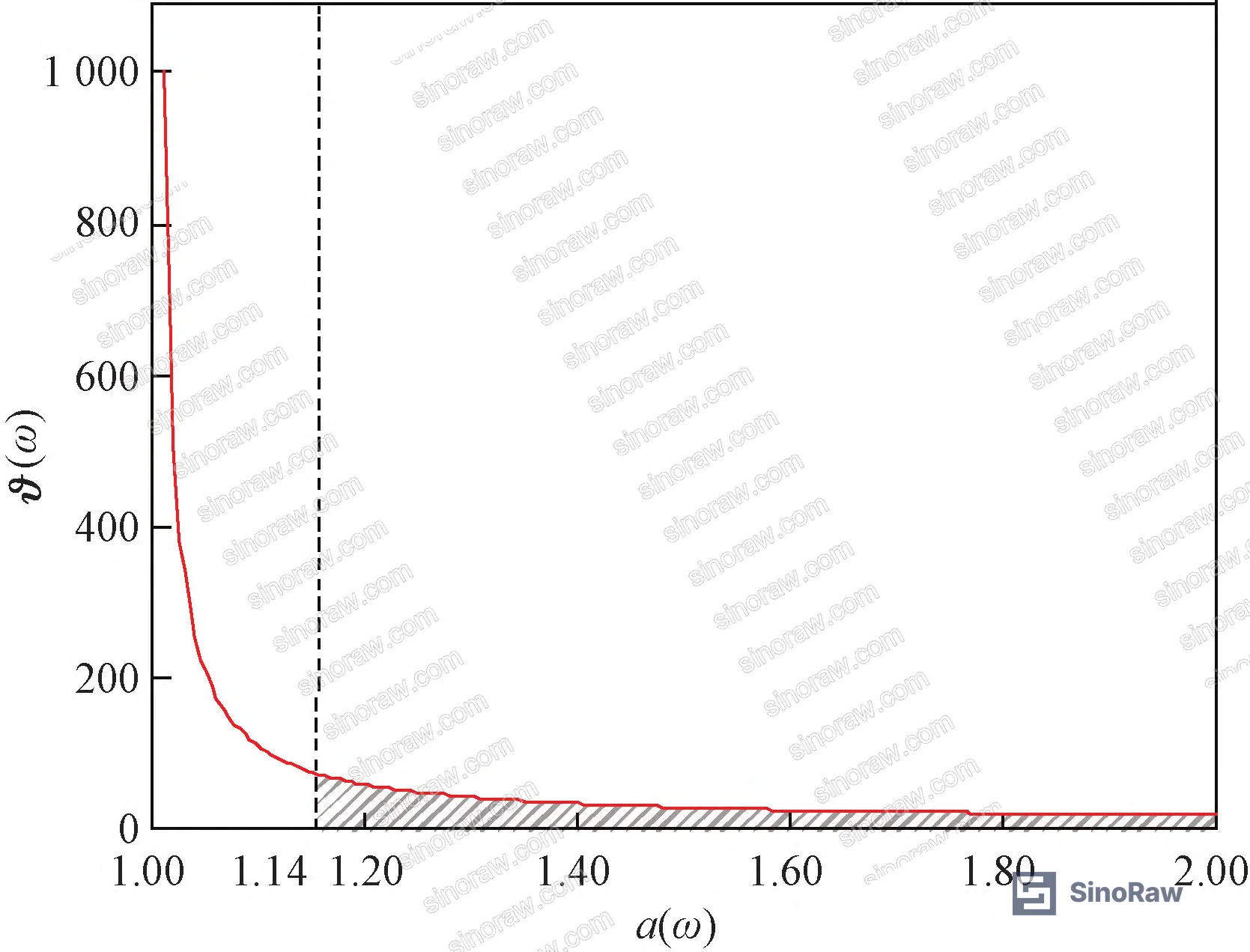
There’s an additional constraint that’s easy to overlook: when 1.00 < α(ω) < 1.14, small changes in amplitude ratio cause large fluctuations in the derived stiffness function ϑ(ω). The method requires α(ω) ≥ 1.14 to maintain calculation accuracy. This means the excitation frequency must satisfy 0.351ωn ≤ ω ≤ 0.707ωn or ω ≥ 1.350ω_n.
Honestly, most buyers over-specify Shore hardness and under-specify dynamic parameters. A 70 Shore A O-ring from two different compounders can have dramatically different frequency-dependent stiffness profiles — and neither supplier will volunteer that information unless you ask for it explicitly.
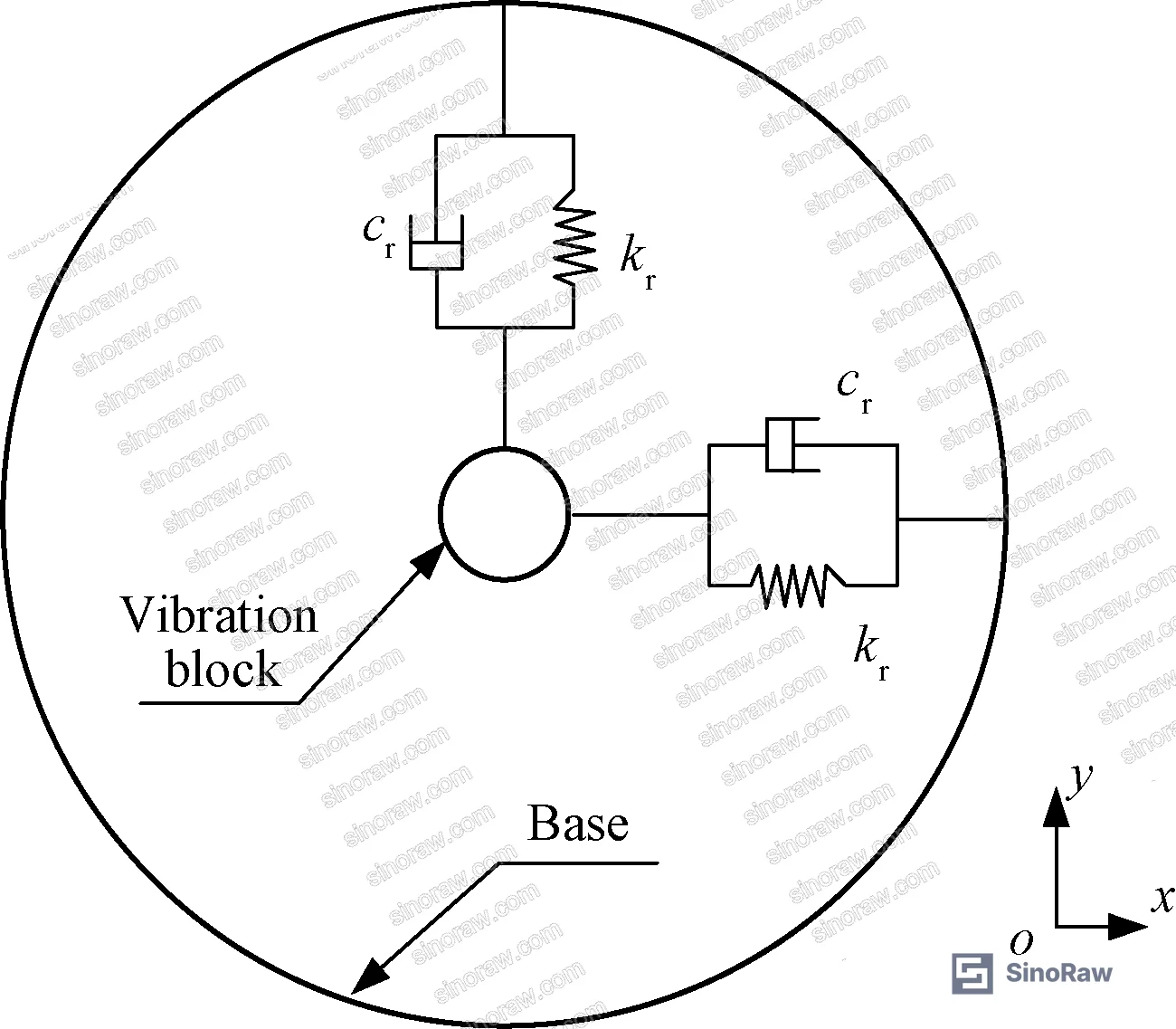
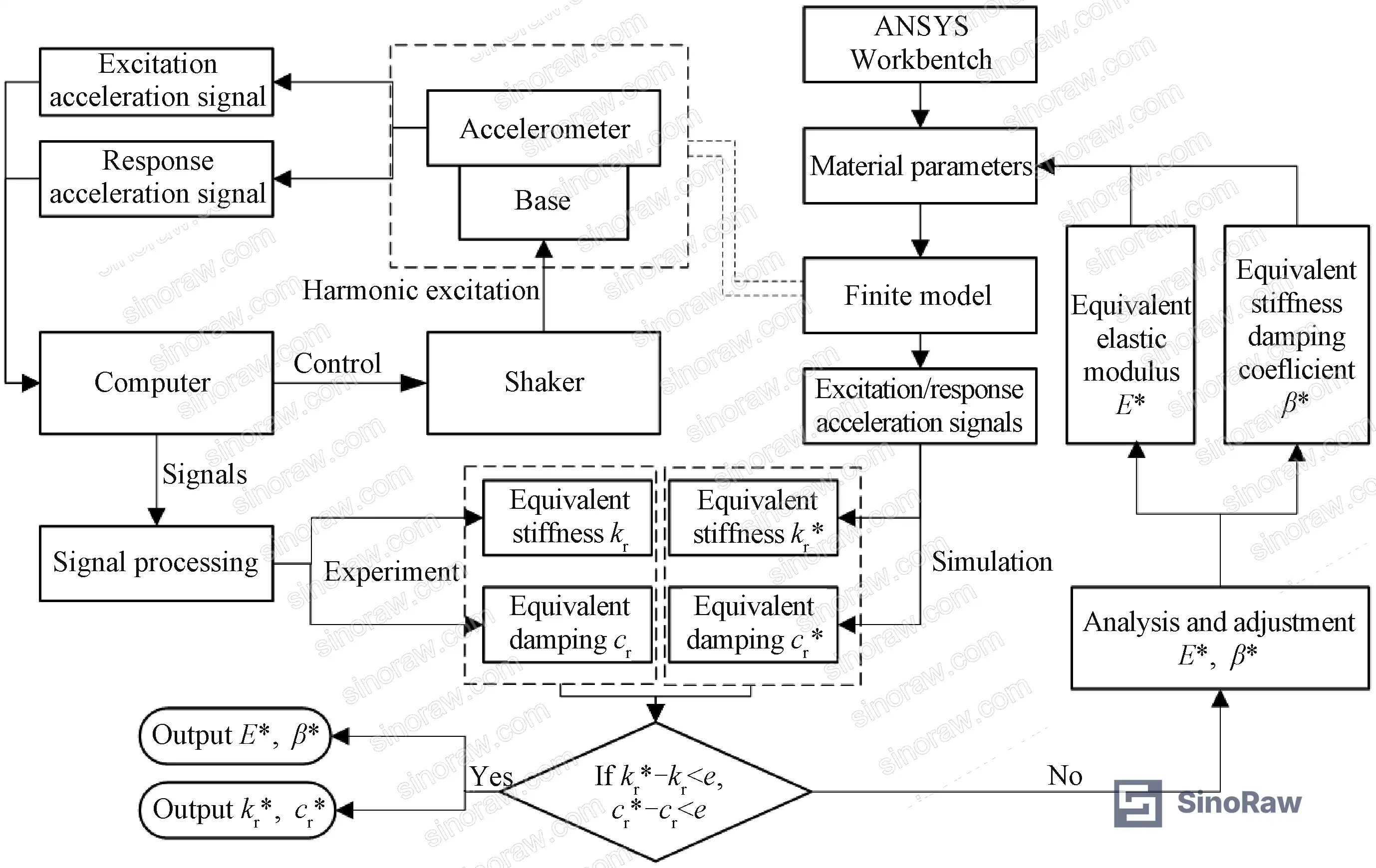
Hybrid Simulation-Experimental Method: Test Conditions and Validation Results #
The test apparatus consists of five key components: an excitation device, a base plate, a vibration block, and two acceleration sensors — one measuring base response, one measuring vibration block response. The O-ring support system connects the base plate to the vibration block, and the entire assembly is driven by harmonic excitation across the 80–300 Hz test frequency range.
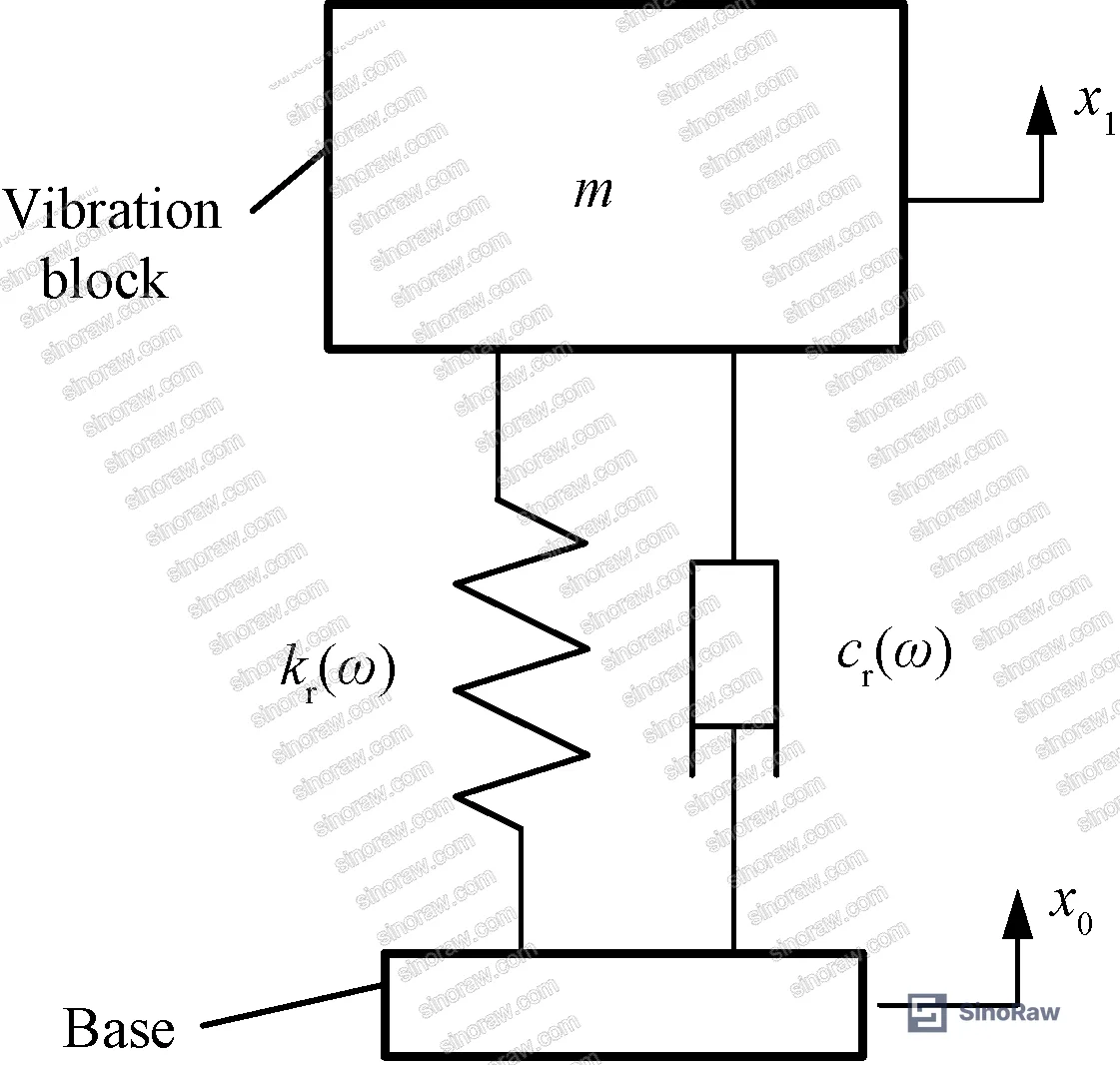
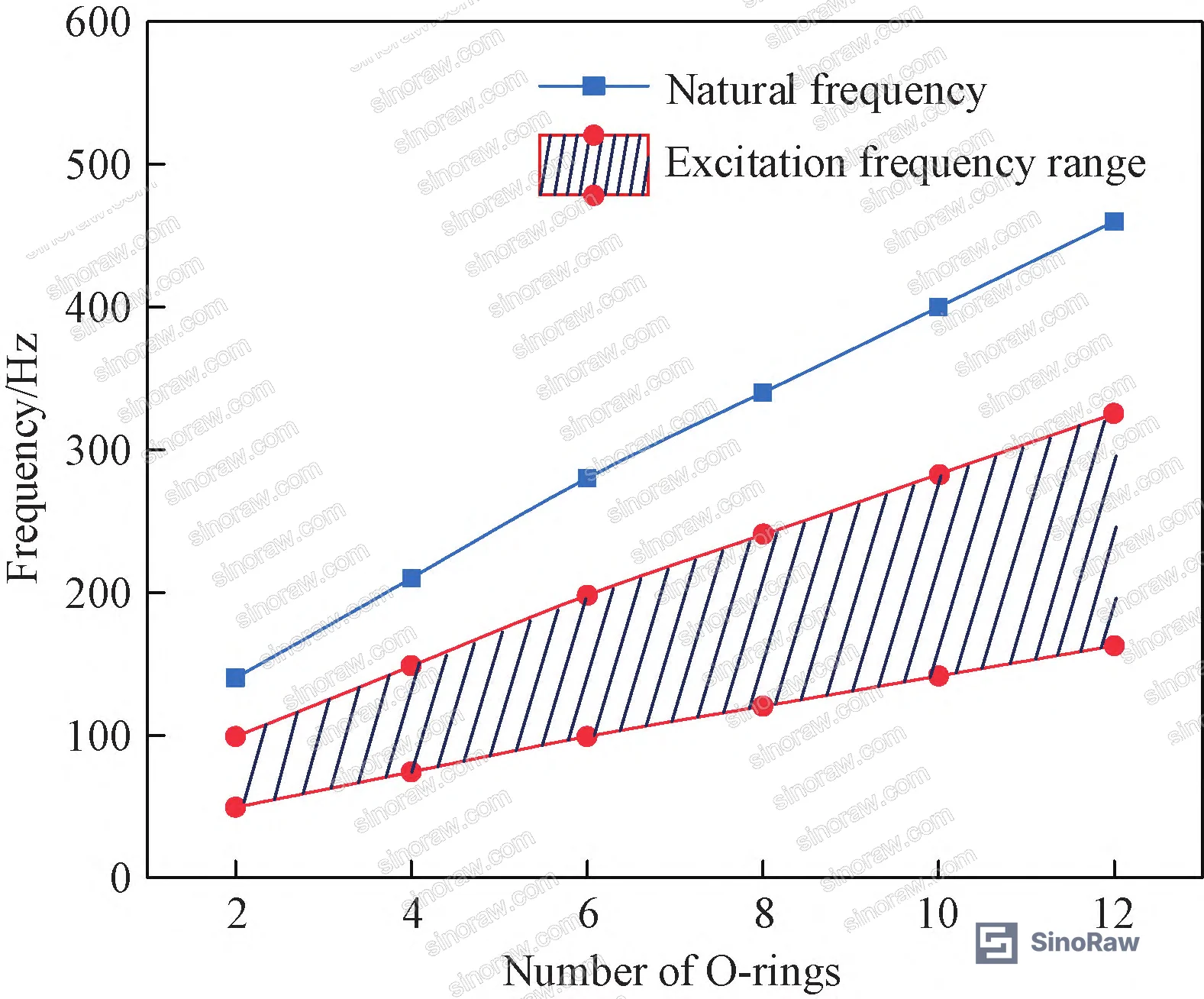
The working rotational speed of the spindle system tested was 0–16,000 r/min, corresponding to a working frequency of 0–266.7 Hz. The test frequency range was set to 80–300 Hz because frequency-dependent characteristics of the flexible support are not pronounced in the low-frequency range and are therefore not diagnostically useful below 80 Hz.
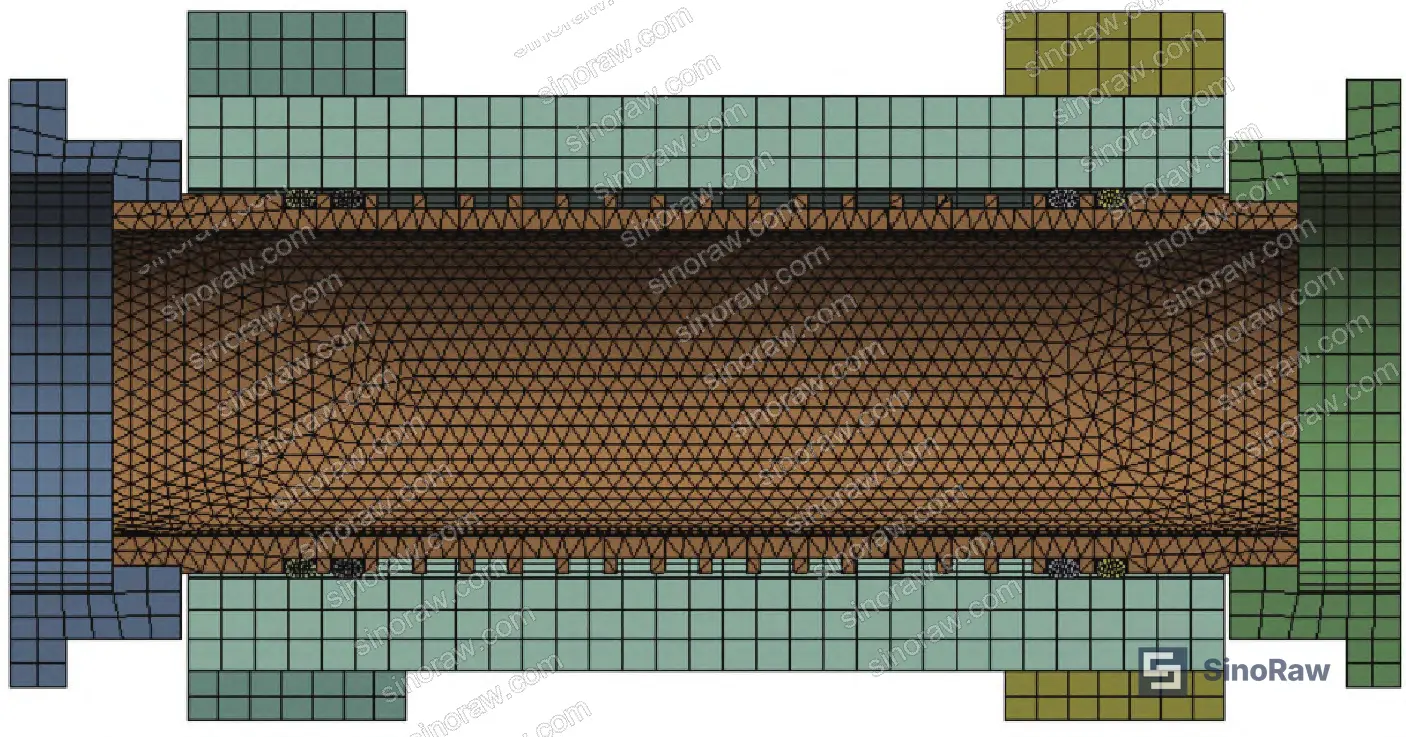
The parametric finite element model was built to match the experimental test device geometry, with mesh refinement applied at the O-ring mounting sleeve interface. The iterative process adjusts two rubber material parameters — equivalent elastic modulus E and equivalent stiffness-damping coefficient β — within a defined search range until the simulated equivalent dynamic parameters (kr and cr) converge to the experimentally measured values (kr and cr).
Convergence criterion: error e reduced to an acceptable tolerance. After iterative simulation, the final agreement between simulated and experimental results reached 99.7%.
In supplier qualification testing, we have seen situations where O-ring samples from nominally identical specifications — same outer diameter, same cross-sectional diameter, same material grade — produced measurably different dynamic parameter profiles when tested under the forced non-resonance protocol. The stiffness values diverged by more than 15% at frequencies above 200 Hz. Three of six samples from one supplier batch failed to meet the target k_r range at 250 Hz. The root cause traced back to inconsistent rubber compounding — specifically, variation in the crosslink density affecting viscoelastic response. Static hardness testing caught none of this.
The validated parametric FE model has a significant practical advantage: once the material parameters E and β are characterized for a given rubber compound, the model can predict equivalent dynamic parameters for O-rings of different specifications (different outer diameter and cross-sectional diameter) made from the same material — without requiring a new experimental test for each size. The research validated this with two O-ring specifications: 50.0 mm outer diameter × 4.0 mm cross-sectional diameter (50×4) and 47.0 mm outer diameter × 4.0 mm cross-sectional diameter (47×4).
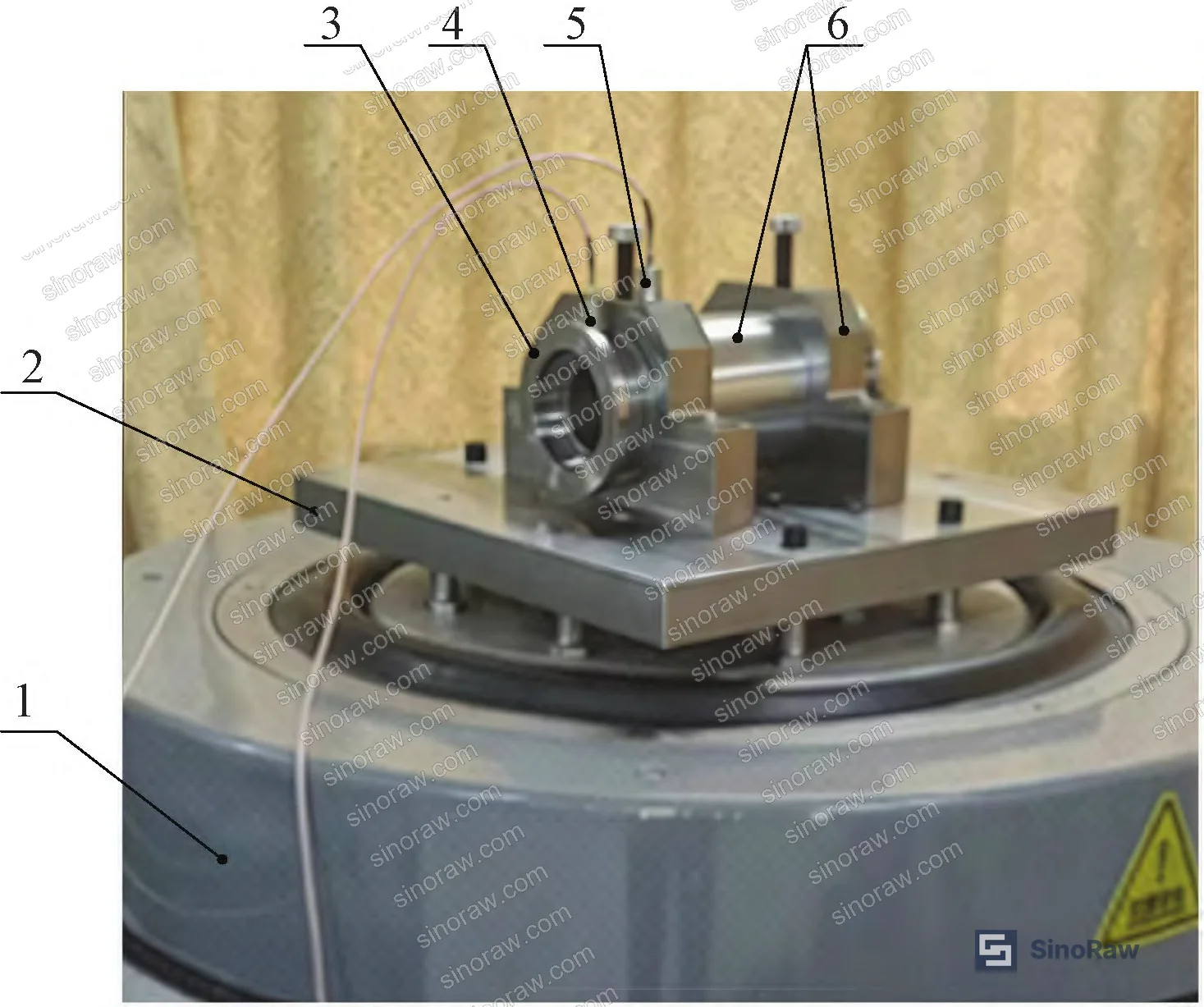
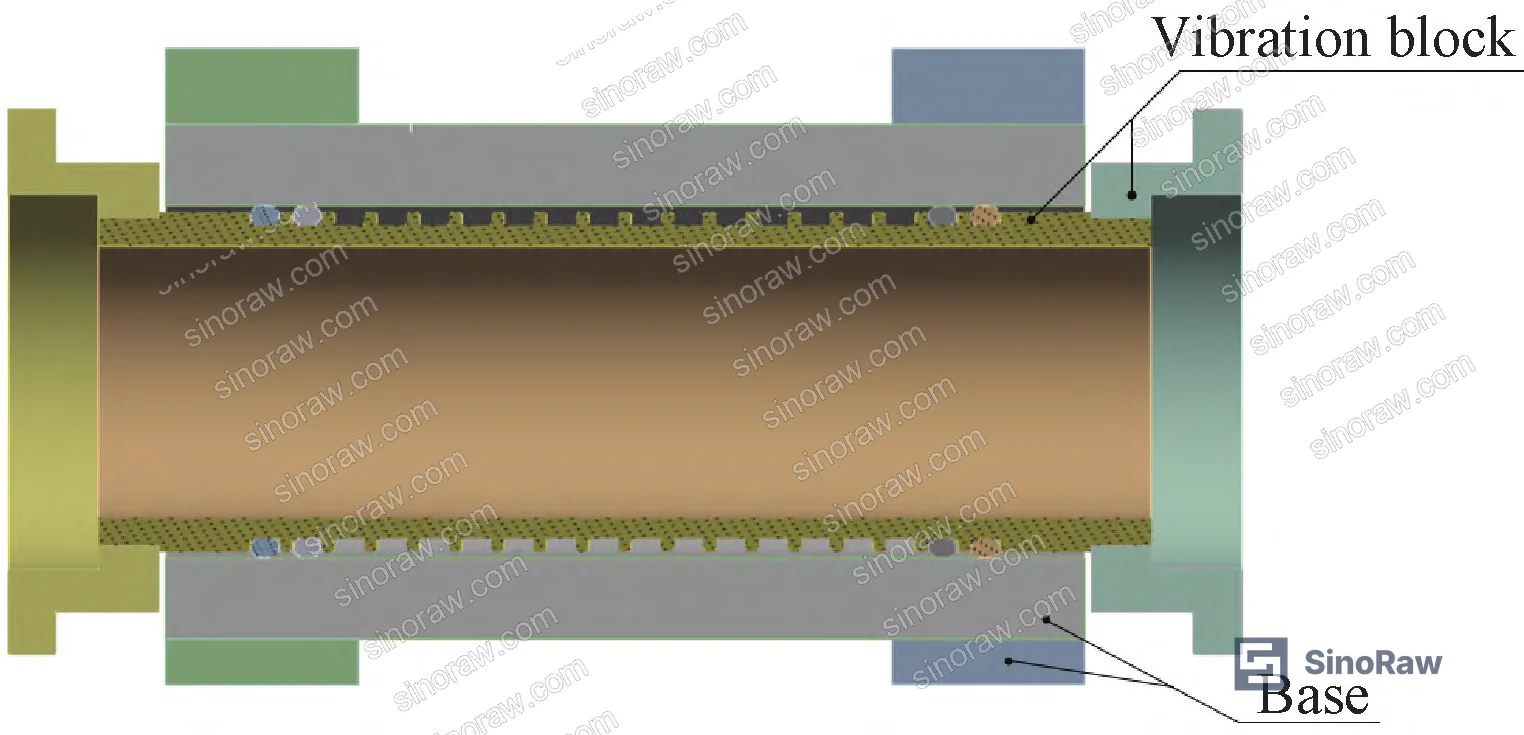
Material Parameter Identification and Cross-Specification Prediction #
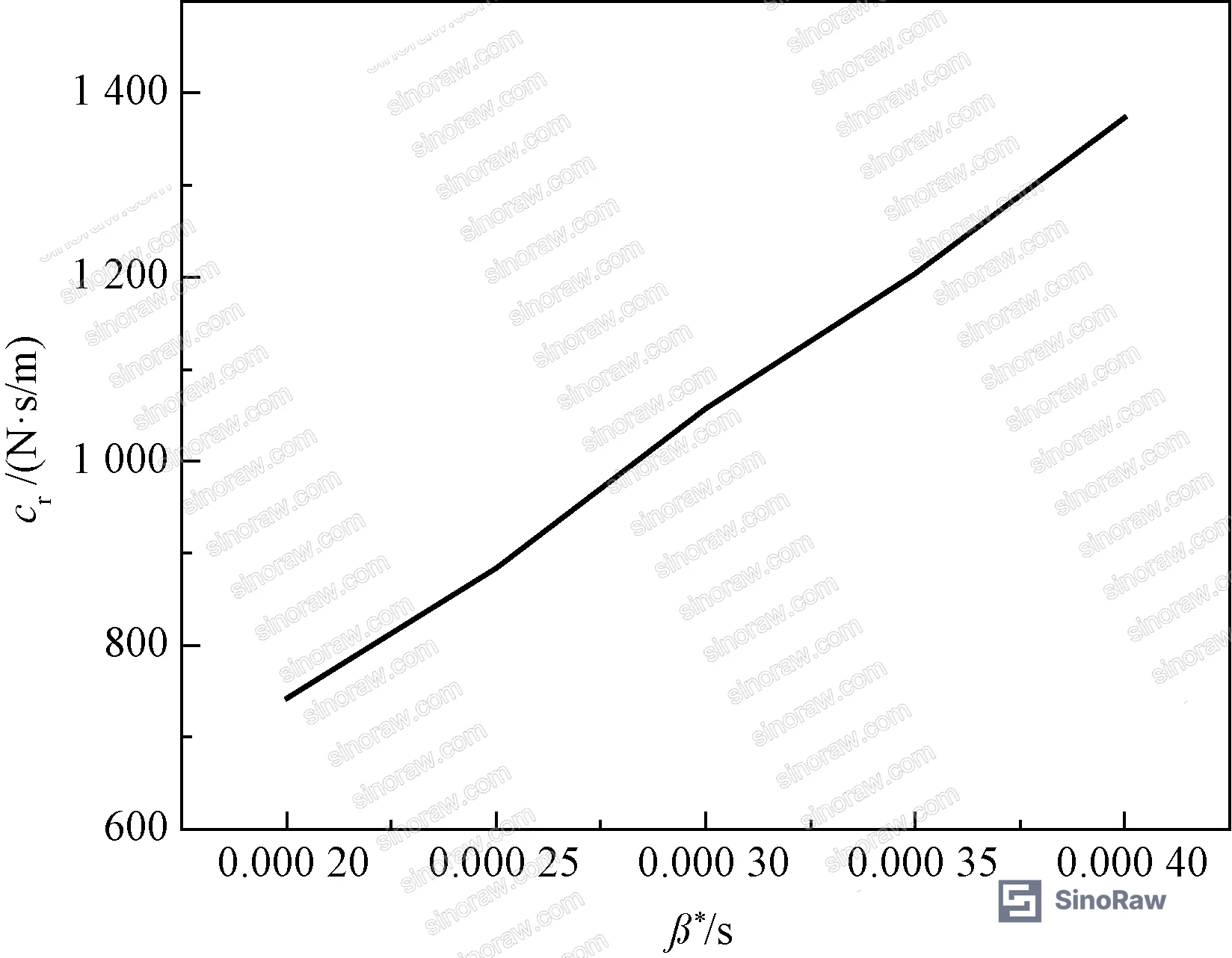
The iterative identification process yields two fundamental material parameters: equivalent elastic modulus E and equivalent stiffness-damping coefficient β. These are the values that characterize the rubber compound’s dynamic behavior independent of O-ring geometry.
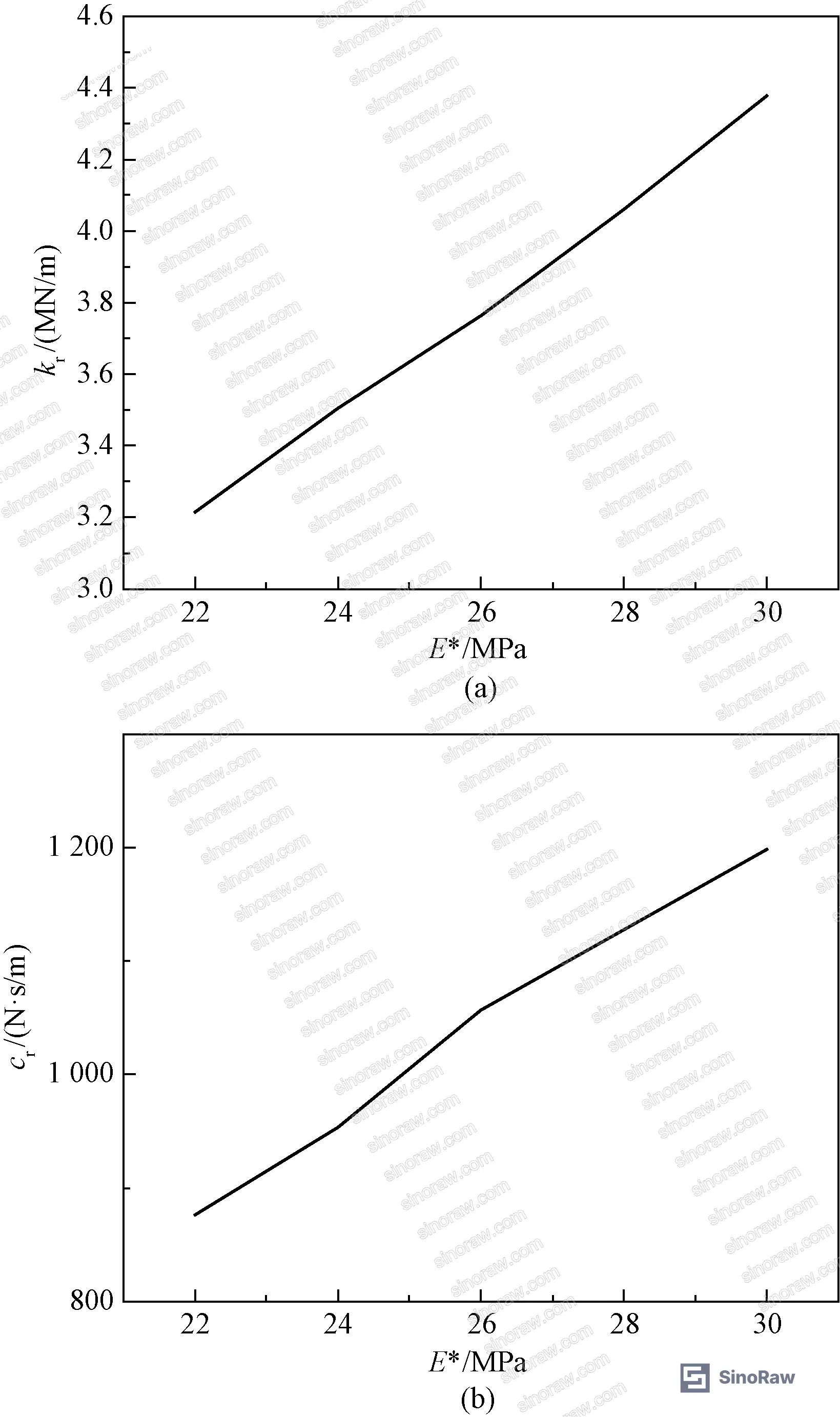
The relationship between equivalent damping cr and β is linear — a result that simplifies the iterative search considerably. The relationship between equivalent dynamic parameters and E shows that both kr and c_r scale predictably with elastic modulus, enabling parametric analysis across a range of E* values.
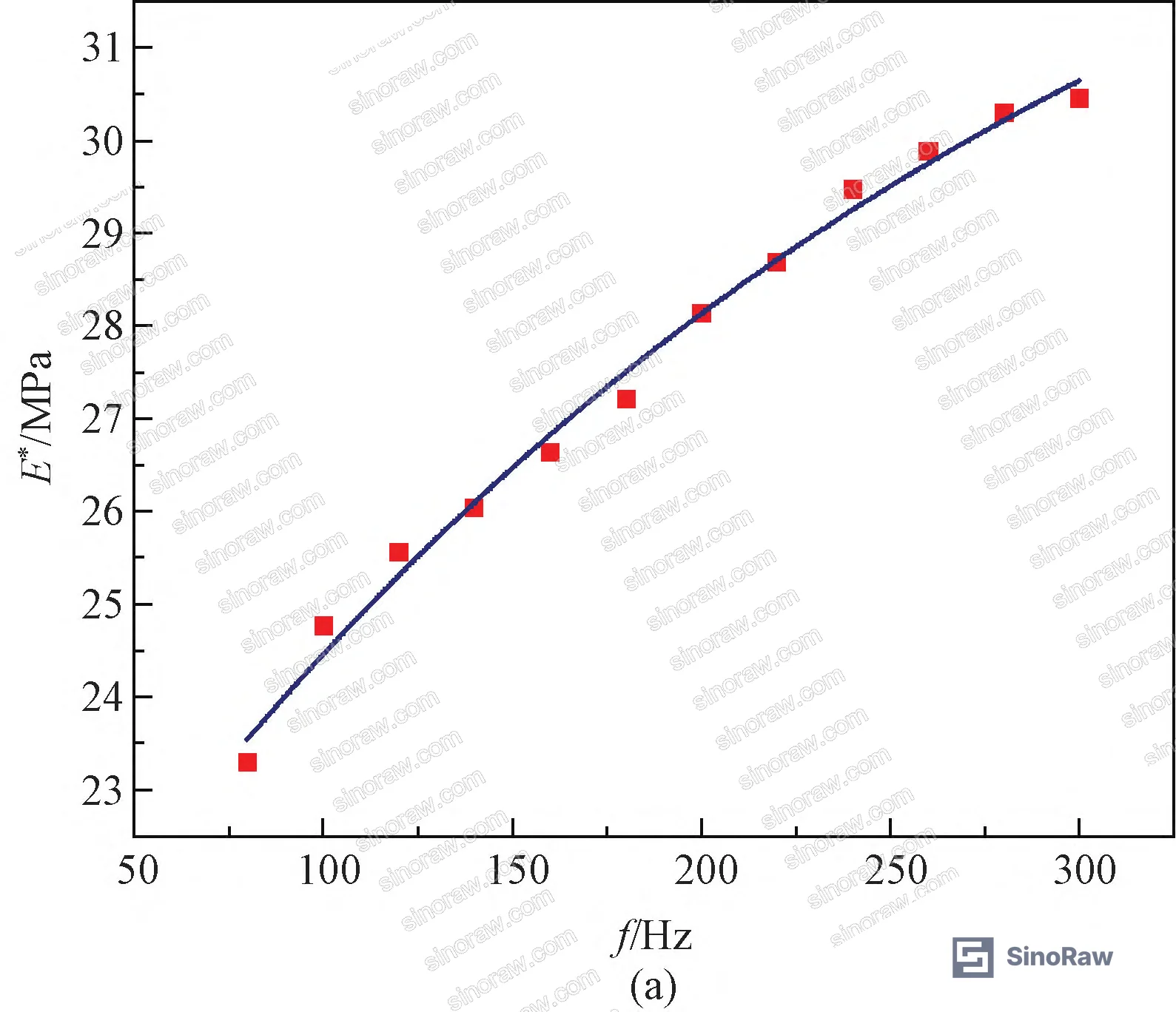
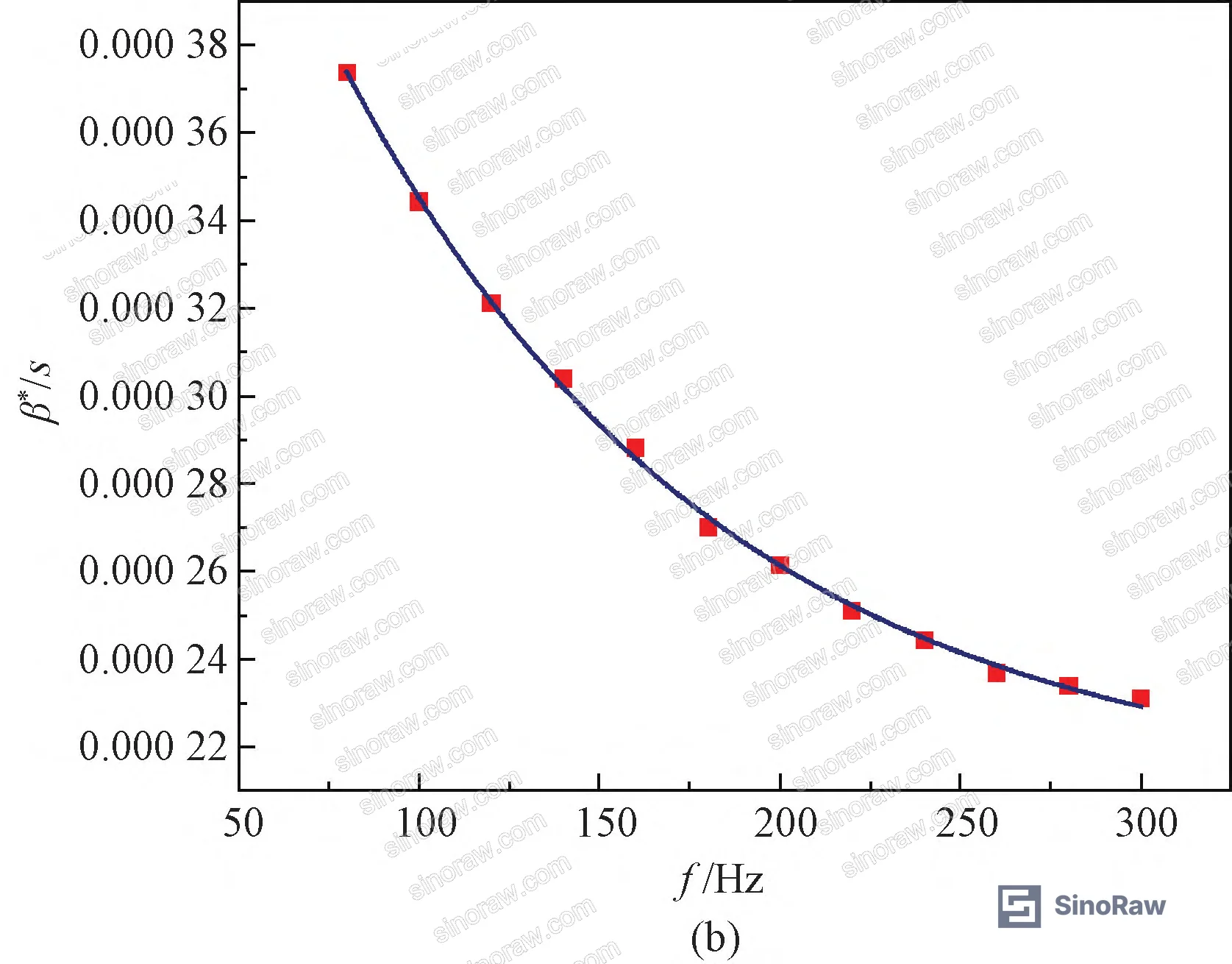
The frequency dependence of the material parameters themselves — E(f) and β(f) — was also characterized across the 80–300 Hz test range. This is important: the equivalent elastic modulus E is not constant with frequency, and neither is β. A supplier who provides a single E* value without frequency context is giving you incomplete data.
Most procurement teams don’t realize that the industry’s reliance on static rubber characterization standards — while appropriate for sealing applications — is fundamentally misaligned with dynamic support applications. The standards governing rubber O-ring dimensional and material properties were developed primarily for static sealing contexts. When the same O-ring is used as a dynamic vibration isolator in a high-speed spindle, those standards tell you almost nothing about in-service performance. The relevant characterization framework is closer to what’s used in bearing damper qualification than in conventional seal procurement.
For reference on sealing component standards relevant to dynamic applications, the IEC 61960-3 Secondary lithium cells and batteries for portable applications framework for component characterization methodology offers useful parallels in how frequency-dependent parameters should be documented and reported — the principle of characterizing behavior across an operating range rather than at a single test point applies directly. For broader dynamic component qualification methodology, IEEE 1679 Recommended Practice for the Characterization and Evaluation of Emerging Energy Storage Technologies provides a useful template for how iterative simulation-experimental validation should be structured and reported. Buyers sourcing O-rings for safety-critical rotating equipment should also review NFPA 855 Standard for the Installation of Stationary Energy Storage Systems for guidance on how dynamic component qualification fits into broader system safety documentation requirements.
For buyers also evaluating related vibration isolation and sealing components, our Pump & Valve Seals category covers dynamic sealing applications with similar frequency-dependent performance requirements.
Practical Guidance for Buyers #
The single most actionable takeaway from this research is that O-ring dynamic characterization must be frequency-resolved, not point-measured. If you’re procuring O-rings for any application where the component functions as a vibration isolator or flexible support element — not just a static seal — your supplier qualification process needs to include dynamic parameter testing across the relevant frequency range.
For spindle support applications specifically, the operationally relevant range is 80–300 Hz. Require suppliers to provide kr and cr data at minimum three frequency points within this range. If a supplier cannot provide this data, they have not characterized their product for dynamic applications. That’s not a disqualifying finding by itself — it may mean they’ve never been asked — but it does mean you’re taking on characterization risk that should be priced into your qualification timeline.
The 99.7% simulation-experimental agreement achieved in this research means that a validated parametric FE model can substitute for physical testing across multiple O-ring specifications once the base material parameters are identified. This is a significant cost reduction for suppliers who invest in the upfront characterization work. Ask your shortlisted suppliers whether they have this capability — it’s a strong differentiator between technically mature suppliers and those who are simply molding to dimensional tolerances.
At sinoraw.com, our sourcing team works specifically with overseas procurement engineers and quality managers to identify and pre-screen Chinese manufacturers of sealing and thermal management components — including those capable of providing dynamic characterization data, not just dimensional compliance certificates. We connect buyers with verified suppliers before RFQ stage, so you’re not discovering capability gaps after samples arrive.
Need help identifying qualified suppliers for O-ring flexible support systems with dynamic parameter characterization capability? Talk to our sourcing team →
Supplier Qualification Questions #
- Can you provide frequency-resolved equivalent stiffness kr and equivalent damping cr data for your O-rings across the 80–300 Hz range, measured using a forced non-resonance method with amplitude ratio α(ω) ≥ 1.14?
- What is your equivalent elastic modulus E and stiffness-damping coefficient β for the rubber compound used in this O-ring specification, and at what frequency points were these values characterized?
- For O-ring specifications with outer diameter 47–50 mm and cross-sectional diameter 4.0 mm, what is the measured variation in equivalent stiffness k_r between 80 Hz and 300 Hz, and does your process control maintain this within a defined tolerance band across production batches?
- Do you have a validated parametric finite element model for your O-ring compounds that can predict dynamic parameters for different geometric specifications (different OD, same cross-sectional diameter) without requiring a new physical test for each size?
- What is your batch-to-batch consistency specification for rubber compound crosslink density, and how does variation in compounding affect the frequency-dependent dynamic parameters — specifically, what is the acceptable tolerance on k_r at 250 Hz across production lots?
Sourcing Checklist #
- Supplier can provide equivalent stiffness k_r data measured at ≥3 frequency points within the 80–300 Hz range using forced non-resonance or equivalent dynamic test method
- Amplitude ratio α(ω) ≥ 1.14 confirmed during dynamic testing (values below this threshold indicate unreliable stiffness calculation)
- Frequency ratio γ during testing satisfies γ ≤ 0.707 or γ ≥ 1.350 (avoids the unstable measurement zone 0.707 < γ < 1.350)
- O-ring dimensional specifications confirmed: outer diameter and cross-sectional diameter tolerances documented (reference tested specs: 50.0 mm OD × 4.0 mm CS and 47.0 mm OD × 4.0 mm CS)
- Supplier has characterized equivalent elastic modulus E and stiffness-damping coefficient β as frequency-dependent functions, not single-point values
- Simulation-experimental agreement for dynamic parameter validation is ≥95% (research benchmark: 99.7%)
- Rubber compound compounding consistency is controlled with documented batch release criteria that include dynamic property verification, not only Shore hardness
- Supplier can demonstrate cross-specification prediction capability: same material parameters applied to predict kr and cr for O-rings of different OD with same cross-sectional diameter
Key Specifications Table #
| Parameter | Recommended Value | Verification Method |
|---|---|---|
| Test frequency range for dynamic characterization | 80–300 Hz | Forced non-resonance method; spindle working frequency 0–266.7 Hz |
| Amplitude ratio α(ω) during testing | ≥ 1.14 | Dual accelerometer measurement; base and vibration block sensors |
| Frequency ratio γ (excitation/natural frequency) | ≤ 0.707 or ≥ 1.350 | Calculated from measured natural frequency; avoid 0.707–1.350 zone |
| Simulation-experimental agreement | ≥ 99% (benchmark: 99.7%) | Iterative FE model convergence vs. measured kr and cr |
| Spindle working speed range (FDY application) | 0–12,500 r/min | Operational specification; corresponds to 0–208.3 Hz |
| O-ring cross-sectional diameter (validated range) | 4.0 mm | Dimensional measurement; tested at 47 mm and 50 mm OD |
| Equivalent elastic modulus E* | Frequency-dependent; characterize across 80–300 Hz | Iterative FE parameter identification from experimental data |
| Equivalent stiffness-damping coefficient β* | Linear relationship with c_r confirmed | Parametric FE simulation with experimental validation |
Can’t find a supplier meeting these specs? Submit your requirements and we’ll match you within 48 hours.
References #
Data source: Equivalent Dynamic Parameter Identification of Rubber O-Ring Flexible Support Systems Using a Hybrid Simulation-Experimental Approach, B. Hou et al., Polymer Testing, 2022
Frequently Asked Questions #
Why can’t I just use Shore A hardness to specify O-rings for dynamic support applications?
Shore A hardness measures static indentation resistance — it tells you nothing about how the rubber behaves under oscillating loads at 100–300 Hz. Two O-rings with identical Shore A values can have equivalent stiffness k_r values that differ by 15% or more at high frequencies, depending on compound formulation and crosslink density. For dynamic applications, you need frequency-resolved stiffness and damping data.
What is the forced non-resonance method and why is it preferred over free vibration or forced resonance testing?
The forced non-resonance method applies harmonic excitation to the support system base at frequencies deliberately kept away from the system’s natural frequency — specifically satisfying γ ≤ 0.707 or γ ≥ 1.350. This avoids the large measurement errors that occur near resonance, and it allows safe characterization of the support system’s dynamic properties across a wide frequency range without risk of destructive resonance during testing.
If a supplier has characterized one O-ring size, can those results apply to other sizes?
Yes — but only if the rubber compound is identical. The hybrid method identifies material-level parameters (E and β) that are geometry-independent. Once these are characterized for a given compound, a validated parametric FE model can predict kr and cr for O-rings of different outer diameters made from the same material. The research validated this approach for the 50×4 and 47×4 specifications. This is a significant efficiency gain for suppliers who have invested in the characterization infrastructure.
What spindle speed range is the 80–300 Hz test frequency range designed to cover?
The working rotational speed of the spindle system is 0–16,000 r/min, corresponding to a working frequency of 0–266.7 Hz. The test range of 80–300 Hz was selected because frequency-dependent dynamic characteristics are not pronounced below 80 Hz and therefore provide limited diagnostic value. The upper bound of 300 Hz provides margin above the maximum working frequency.
How do I evaluate whether a Chinese O-ring supplier has genuine dynamic characterization capability versus just claiming it?
Ask for raw test data: amplitude ratio α(ω) and phase difference φ(ω) as functions of frequency across 80–300 Hz, plus the derived kr(ω) and cr(ω) curves. A supplier with real capability will provide these as continuous curves, not single-point values. Also ask for the simulation-experimental agreement percentage from their validation — the research benchmark is 99.7%. If they cannot produce this data or quote a single stiffness value, they are characterizing their product as a static seal, not a dynamic support element. For additional guidance on evaluating Sensors & Detection instrumentation used in dynamic testing setups, our related category documentation covers accelerometer and vibration measurement equipment commonly used in supplier qualification.
Published by sinoraw.com Technical Team | Request a sourcing quote


