

TL;DR #
Fluorescent magnetic particle inspection fluid contaminated after just three days of use on rough-surface castings showed a measured concentration of 0.4 ml/100 ml yet still failed to detect cracks that fresh suspension found — including cracks with measurably greater length. Any buyer procuring MPI consumables for railway axle or bogie inspection must treat suspension replacement frequency, not just concentration readings, as a primary quality control parameter. Request documented replacement protocols and contamination identification criteria from your supplier before qualifying them.
Overview #
Magnetic particle inspection (MPI) is one of those categories where buyers routinely under-specify the consumable side of the equation. They lock down the equipment spec in detail, then treat the magnetic suspension — the medium that actually reveals the defect — as a commodity reorder. That’s a procurement mistake with real safety consequences in railway and heavy equipment inspection contexts.
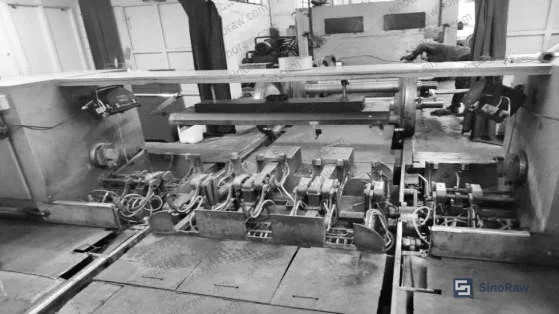
Field evaluation data from a locomotive manufacturing facility’s NDT workshop, covering multiple inspection bays for passenger and freight wheelsets and axle assemblies, gives concrete numbers to what practitioners have known anecdotally: contaminated fluorescent magnetic suspension can pass routine concentration checks while missing real cracks. The evaluation covered routine inspection of bolsters, side frames, wheel-axle assemblies, and couplers — components with complex internal cavities and rough cast surfaces that accelerate suspension degradation.
The testing methodology involved measuring suspension concentration with standard pear-shaped settling tubes at 0.4 ml/100 ml, then running parallel inspections on the same components — first with the three-day-old suspension, then immediately after with freshly prepared suspension. The delta in detected defects was significant enough that it prompted a formal review of replacement criteria across seven separate inspection bays.
For buyers sourcing NDT consumables from Chinese manufacturers, this kind of operational field data is more useful than a datasheet alone.
Fluorescent Magnetic Suspension Contamination: Mechanisms and Detection Criteria #
Contamination of fluorescent magnetic suspension happens through two distinct pathways, and conflating them is a common error in incoming inspection criteria.
Carrier fluid contamination occurs when the liquid medium degrades chemically or when fluorescent coating detaches from the iron particles and disperses into suspension. After magnetic powder settles in a settling tube, the residual carrier fluid should show only minimal fluorescence under UV light. If the used sample shows markedly stronger fluorescence compared to a reference sample of freshly prepared suspension using identical materials, the batch must be discarded — not topped up, discarded.
Magnetic particle contamination occurs when foreign material — casting dust, rust particles, scale, and surface debris from inspected components — accumulates in the suspension. The diagnostic method here is visual examination of the graduated portion of the pear-shaped settling tube under both UV light (for fluorescent types) and white light (applicable to both fluorescent and non-fluorescent suspensions). If stratification, banding, or color differentiation is visible in the settled column, contamination is confirmed.
The critical threshold: if the contaminated volume — including stratification layers and visible banding — exceeds 30% of total settled magnetic particle volume, or if the carrier fluid shows obvious fluorescence, replacement is mandatory. This 30% threshold is the number buyers and their supplier’s QC documentation should reference explicitly.
What makes this category genuinely difficult to manage is that standard concentration measurement using the pear-shaped settling tube will not catch contamination. In the field evaluations reviewed, suspension measuring within the acceptable concentration range still produced false-clear results on components that subsequently showed cracks under fresh suspension. The contaminant volume was reading as magnetic particle volume — the settling tube cannot distinguish between iron particles and casting dust.
Most procurement teams don’t realize that regulatory frameworks like TG/CL206-2013 set maximum replacement intervals — 1 month for water-based suspension, 3 months for oil-based suspension — but contain no criteria for identifying contamination before that interval expires. The interval is a ceiling, not a maintenance schedule. High-throughput inspection lines with rough-surface castings may need daily replacement.
| Contamination Type | Detection Method | Replacement Trigger |
|---|---|---|
| Carrier fluid (chemical degradation) | UV inspection of settled carrier vs. fresh reference | Visibly stronger fluorescence than reference sample |
| Magnetic particle (foreign matter ingress) | Settling tube under UV and white light | Stratification/banding >30% of settled particle volume |
| Combined/aged suspension | Parallel retest with fresh suspension | Any new or extended defect indications on previously inspected part |
| General aging (time-based) | Time tracking by suspension type | Water-based: max 1 month; oil-based: max 3 months |
Why Concentration Readings Fail as the Sole Quality Indicator #
This is where buyers make costly mistakes, and it’s worth being direct about it.
The pear-shaped settling tube concentration test is the most widely used field check for magnetic suspension. It is fast, it gives a number, and that number creates a false sense of confidence. In the field evaluation described, suspension with a measured concentration of 0.4 ml/100 ml — within a typical acceptable range — was used to inspect bolster and side frame castings. The results were recorded. The suspension was then replaced entirely with freshly prepared material at equivalent concentration.
The fresh suspension found new cracks on the same components that the three-day-old suspension had passed. It also found that previously detected cracks were longer than the original inspection had recorded. Both findings — missed indications and underestimated crack length — are exactly the failure modes that matter in safety-critical railway component inspection.
The mechanism is straightforward: rough cast surfaces on components like bolsters, side frames, and couplers shed large quantities of debris into the suspension tank during inspection. One pass of a complex casting is effectively a wash cycle. After a single shift inspecting these component types, the suspension has already picked up enough casting dust and surface scale that its fluorescent particle ratio is compromised — even if the total settled volume still reads within spec.
In supplier qualification, we saw field data where three of six inspection bays were operating with suspension that met concentration spec but failed the contamination criteria when evaluated properly. Those bays had not exceeded their scheduled replacement intervals. The replacement interval had simply been set for the wrong component type.
Honestly, most buyers over-specify the equipment side — worrying about magnetizing current and coil geometry — while accepting supplier-defined replacement intervals without scrutiny. The suspension management protocol is where detection quality is actually won or lost.
Compliance with ASTM D1709 Standard Test Methods for Impact Resistance of Plastic Film by Free-Falling Dart and related packaging standards is routinely documented for the suspension’s transport packaging, but the operational contamination criteria for the fluid itself rarely appear in purchase specs. That gap is what this article addresses.
Equipment Maintenance as a Contamination Control Variable #
This section is less glamorous than the chemistry, but it’s where compliance breaks down in practice.
Inspection equipment in high-throughput workshops accumulates expired magnetic particle residue in tank walls, filter screens, and motor chucks at a rate that most maintenance schedules underestimate. Key failure points observed in field evaluation:
- Motor chucks with residual magnetic particle and rust deposits — directly reducing magnetizing effectiveness and introducing contamination into fresh suspension
- Filter screens with damage or particle buildup — passing contaminated material into the inspection circuit
- Tank walls in below-grade inspection pits — physically difficult to access, accumulating compacted expired particle residue that sheds into new suspension within the first few operating hours
- Incomplete tank flush during suspension change — new suspension diluted immediately with residue from previous batch
The recommended maintenance cadence that emerged from this evaluation: motor chucks inspected and wiped down daily at start and end of shift; filter screens checked for integrity before each shift start; full equipment surface cleaning weekly with no visible dust, rust, or residue; tank walls scrubbed with a long-handled brush during every suspension change, with simultaneous water flush and extraction to prevent residue from settling back.
For buyers, this translates directly to supplier audit questions. A supplier who cannot describe their equipment maintenance log format or cannot specify their chuck and filter inspection frequency is not managing their inspection process at the level required for safety-critical components.
ISO 9001:2015 Quality management systems certification is a baseline expectation here, but the quality system documentation should specifically cover MPI equipment maintenance intervals — generic QMS certification doesn’t guarantee that.
Practical Guidance for Buyers #
If you’re sourcing fluorescent magnetic particle inspection consumables — suspension media, carrier fluids, or fluorescent powder concentrates — the single most important document to request is not the TDS. It’s the contamination identification protocol: the supplier’s written criteria for when suspension must be replaced before the scheduled interval, based on visual and UV contamination checks rather than concentration alone.
Ask specifically whether the supplier differentiates between water-based and oil-based suspension replacement intervals (1 month and 3 months respectively under TG/CL206-2013), and whether their protocol addresses high-debris applications involving rough cast surfaces.
For high-volume inspection environments — locomotive component shops, axle assembly lines, foundry inspection — assume that scheduled replacement intervals based on calendar time will be insufficient. Suspension replacement frequency should be tied to inspection throughput and component surface condition, not the calendar. Suppliers who can provide application-specific guidance on replacement frequency for your specific component mix are meaningfully more qualified than those offering generic interval recommendations.
Environmental and chemical compliance of the carrier fluid is also worth verifying — REACH Regulation (EC) No 1907/2006 compliance documentation should be available for any water-based suspension entering EU-destination supply chains.
At sinoraw.com, our sourcing team works specifically with overseas procurement engineers and technical buyers to identify and pre-qualify Chinese manufacturers of industrial inspection consumables — connecting you with verified suppliers before you issue an RFQ. We cover the verification process so your qualification effort is directed at genuinely capable suppliers.
Need help identifying qualified suppliers for fluorescent magnetic particle inspection media? Talk to our sourcing team →
Supplier Qualification Questions #
- What is your documented contamination identification protocol for fluorescent magnetic suspension, specifically: at what contamination volume percentage (relative to settled magnetic particle volume) does your process require mandatory replacement, and is this threshold stated as ≥30% or more stringent?
- Can you provide test data showing the fluorescence comparison method you use to assess carrier fluid degradation — specifically, how do you maintain reference samples of freshly prepared suspension for UV comparison against used batches?
- For high-debris applications involving rough cast surfaces (bolsters, side frames, cast couplers), what replacement frequency do you recommend relative to the standard 1-month water-based or 3-month oil-based maximum intervals under TG/CL206-2013, and what is that recommendation based on?
- In your suspension concentration measurement procedure using the pear-shaped settling tube, how do you differentiate between settled magnetic particle volume and settled foreign contaminant volume — and what is your protocol when stratification or banding is visible in the graduated section?
- What equipment maintenance documentation do you provide with your suspension product — specifically covering motor chuck inspection frequency, filter screen integrity checks, and tank cleaning procedures — and can you provide a sample maintenance log format used in your own or customer inspection facilities?
Sourcing Checklist #
- ☐ Supplier provides written contamination identification criteria specifying the 30% contamination volume threshold for mandatory suspension replacement
- ☐ Product documentation differentiates replacement intervals for water-based (maximum 1 month) and oil-based (maximum 3 months) suspension per TG/CL206-2013 requirements
- ☐ Supplier can provide UV fluorescence comparison methodology documentation, including reference sample preservation procedure for carrier fluid assessment
- ☐ Equipment maintenance protocol covers motor chuck inspection (daily), filter screen integrity check (per-shift), and full tank wall cleaning (weekly minimum)
- ☐ Parallel retest validation data available — suspension performance confirmed via fresh-suspension retest on identical components, not concentration measurement alone
- ☐ REACH Regulation compliance documentation available for water-based carrier fluid formulation
- ☐ Supplier’s QMS documentation under ISO 9001:2015 explicitly covers MPI suspension replacement and equipment maintenance intervals (not generic quality procedures only)
- ☐ Supplier can provide application-specific replacement frequency guidance for rough-surface cast components based on throughput volume, not calendar interval alone
Key Specifications Table #
| Parameter | Recommended Value | Verification Method |
|---|---|---|
| Contamination volume threshold for mandatory replacement | ≤30% of settled magnetic particle volume (replace if exceeded) | Visual/UV examination of pear-shaped settling tube graduated section for stratification, banding, or color differentiation |
| Carrier fluid fluorescence (water-based, fluorescent type) | No visible fluorescence differential vs. fresh reference | UV inspection of settled carrier fluid compared against freshly prepared reference sample under identical UV conditions |
| Suspension concentration (pear-shaped tube, 30-min settle) | 0.1–0.4 ml/100 ml typical working range (per application) | ASTM or equivalent pear-shaped settling tube, 30-minute static settling, read graduated volume |
| Maximum replacement interval — water-based suspension | 1 month (calendar maximum; workload-adjusted intervals mandatory for high-throughput rough-surface applications) | Usage log with shift inspection count; reduce interval if contamination criteria triggered before calendar deadline |
| Maximum replacement interval — oil-based suspension | 3 months (calendar maximum) | Usage log; UV and white-light contamination check at minimum weekly intervals |
| Motor chuck residue | Zero visible magnetic particle or rust residue | Visual inspection at shift start and end; wipe test |
| Filter screen condition | No damage; no particle buildup obstructing flow | Visual inspection before each shift start |
Can’t find a supplier meeting these specs? Submit your requirements and we’ll match you within 48 hours.
References #
Data source: Contamination Mechanisms and Detection Criteria for Fluorescent Magnetic Particle Inspection Media in Railway Component Testing, N.-X. Guo et al., NDT & E International, 2024
Frequently Asked Questions #
What is the 30% rule for fluorescent magnetic suspension replacement?
When examining settled suspension in a pear-shaped tube, any visible stratification, banding, or color separation within the graduated section indicates contamination. If that contaminated volume — counting all stratified and banded material — exceeds 30% of the total settled magnetic particle volume, the suspension must be fully replaced. Topping up with fresh suspension does not resolve this; the entire batch must be discarded and the tank cleaned before recharging.
Can a suspension pass concentration testing and still be too contaminated to use?
Yes, and this is the central finding from the field evaluation covered in this article. Suspension measured at 0.4 ml/100 ml — a normal working concentration — missed crack indications and underestimated crack lengths on components that fresh suspension subsequently tested on the same day. Settling tube concentration readings cannot distinguish magnetic iron particles from casting dust and debris, so a concentration reading within spec does not confirm inspection-ready suspension.
What is the difference between carrier fluid contamination and magnetic particle contamination?
Carrier fluid contamination is chemical degradation — the liquid medium breaks down or absorbs fluorescing material shed from aged particles, making it glow under UV independently of the particles. Magnetic particle contamination is physical — foreign debris, dust, scale, and rust from inspected components mixing into the particle fraction. Both types reduce detection sensitivity through different mechanisms, and both require UV inspection of the settling tube, not just concentration measurement.
How does component surface condition affect how often suspension needs to be replaced?
Rough-surface castings — bolsters, side frames, couplers — shed substantially more debris into the suspension tank per inspection cycle than machined components like axle journals. One full inspection pass of a complex internal-cavity casting is effectively a wash of that casting’s surface into your suspension tank. For these component types, inspection bays can reach contamination thresholds within a single shift, making daily replacement necessary regardless of the 1-month calendar maximum.
What monitoring approach is recommended for high-volume inspection lines?
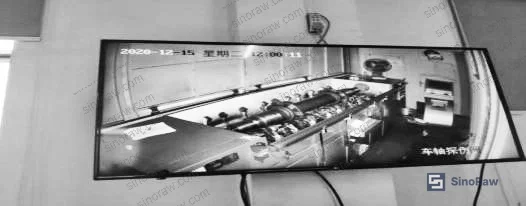
Video monitoring of inspection bays with sufficient archive depth — field implementation used 15-day replay capability across seven inspection bays — allows supervisors to verify that suspension replacement procedures, tank cleaning steps, and mixing ratios are followed correctly. This is relevant to supplier qualification: a supplier with documented process surveillance capability for their own MPI operations is demonstrably more reliable than one operating on operator memory and shift notes alone. Smart tracking and sensors & detection systems are increasingly integrated into inspection line quality management for exactly this reason.
Published by sinoraw.com Technical Team | Request a sourcing quote


