

TL;DR #
If you’re sourcing sealant for pavement crack repair in wet or cold climates, the baseline specification most buyers use — tensile strength at ambient dry conditions — will not tell you what you actually need to know. The real failure mode in field deployments is wet-condition debonding: sealant that holds fine in dry lab acceptance tests but releases from the substrate after the first sustained rainfall or freeze cycle. We’ve seen procurement teams accept product batches based on dry tensile specs alone, then deal with refill callbacks within a single rainy season. That’s an expensive lesson.
The good news is that methyl silicone oil modification of standard RTV-type sealant formulations demonstrably addresses this vulnerability — but the loading level matters more than most datasheets acknowledge. This article walks through test data from 100-day immersion trials across three water environments, giving you the evaluation criteria and red flags you need before issuing an RFQ for pavement-grade silicone sealant.
Methyl Silicone Oil Loading and Silicone Sealant Baseline Performance #
Before evaluating any wet-adhesion data, it’s worth establishing what the modification actually changes in the base formulation. The trials compared three silicone sealant variants — identical in base prepolymer chemistry (hydroxyl-terminated polydimethylsiloxane backbone, fumed silica filler, DBTL catalyst, crosslinker, plasticizer, and silane coupling agent) — differentiated only by methyl silicone oil addition level: 50 g, 100 g, and 150 g per batch.
The baseline performance diverges meaningfully across the three variants. Tensile strength and elongation both increase with higher oil loading, but the cone penetration, softening point, and extrusion rate tell a different story — one that matters for handling and application.
| Property | Sealant 1 (50 g oil) | Sealant 2 (100 g oil) | Sealant 3 (150 g oil) |
|---|---|---|---|
| Tensile Strength (MPa) | 2.35 | 3.54 | 4.25 |
| Elongation at Break (%) | 1245 | 1560 | 1874 |
| Cone Penetration (0.1 mm) | 64.58 | 74.62 | 80.74 |
| Elastic Recovery (%) | 87.95 | 80.74 | 47.52 |
| Ductility (cm) | 87.25 | 60.21 | 48.33 |
| Softening Point (°C) | 26.52 | 30.25 | 34.74 |
| Surface Dry Time (min) | 8 | 15 | 20 |
| Extrusion Rate (mL/min) | 312 | 234 | 135 |
All three formulations passed applicable national standard requirements per GB/T 528 (tensile and elongation testing) and JT/T 740 (pavement crack filler specification for cone penetration and elastic recovery). Testing was also conducted per JTGE 20 for ductility and softening point.
The 150 g formulation looks best on paper for tensile and elongation. Honestly, most buyers focus on those two numbers and miss the more critical tradeoff: elastic recovery drops from 87.95% at 50 g loading down to just 47.52% at 150 g. For a pavement sealant subjected to thermal cycling and traffic-induced joint movement, that loss of elastic recovery is not acceptable. It means the sealant won’t return to its sealed position after deformation — crack re-opening becomes a matter of when, not if.
The 100 g loading hits the practical optimum: tensile strength of 3.54 MPa, elongation at break of 1560%, and elastic recovery still sitting above 80%. This is the formulation used as the representative silicone sealant in all subsequent immersion testing.
Water Immersion Bonding Performance: Three-Environment Comparison #
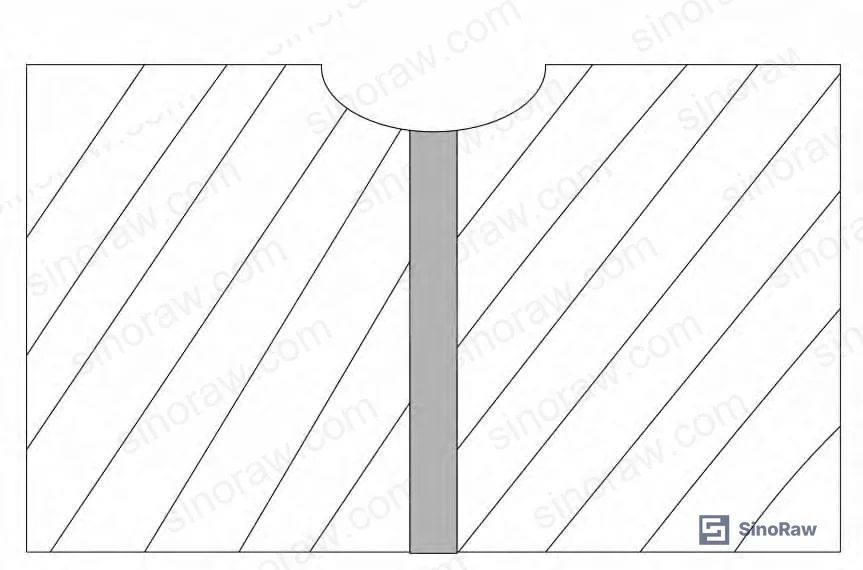
This is where the evaluation gets genuinely useful for procurement decisions. Test specimens were fabricated as 20 cm × 10 cm × 8 cm asphalt blocks with a 5 mm wide, 10 mm deep U-slot cut to simulate pavement crack geometry. Slots were cleaned with compressed air and oven-dried prior to sealant injection. The sealant was pressure-applied using a crack filling machine, vibrated to eliminate air voids, leveled flush, and allowed to cure fully before immersion. Adhesion strength and peel strength were measured every 10 days over a 100-day period using a universal testing machine under axial tensile loading.
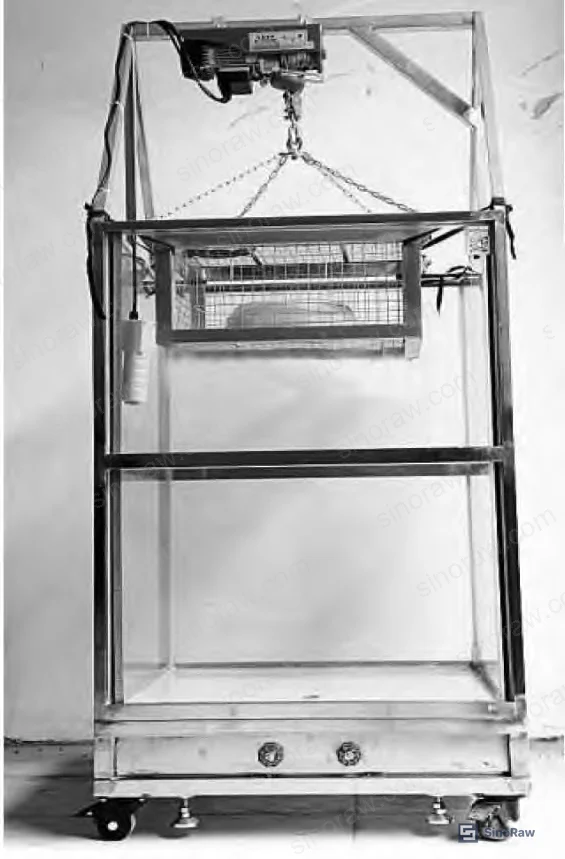
Three immersion environments were tested:
- Normal temperature water: 5–20 °C
- Low temperature water: 0–5 °C
- Salt water: 5% NaCl solution, ambient temperature
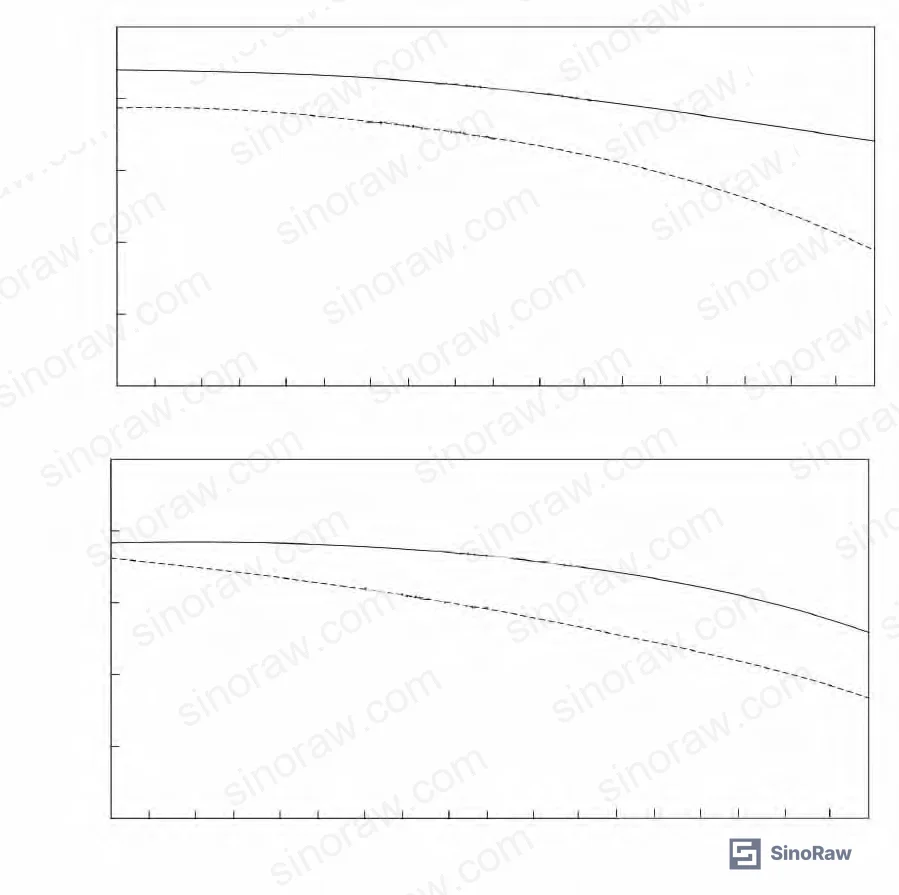
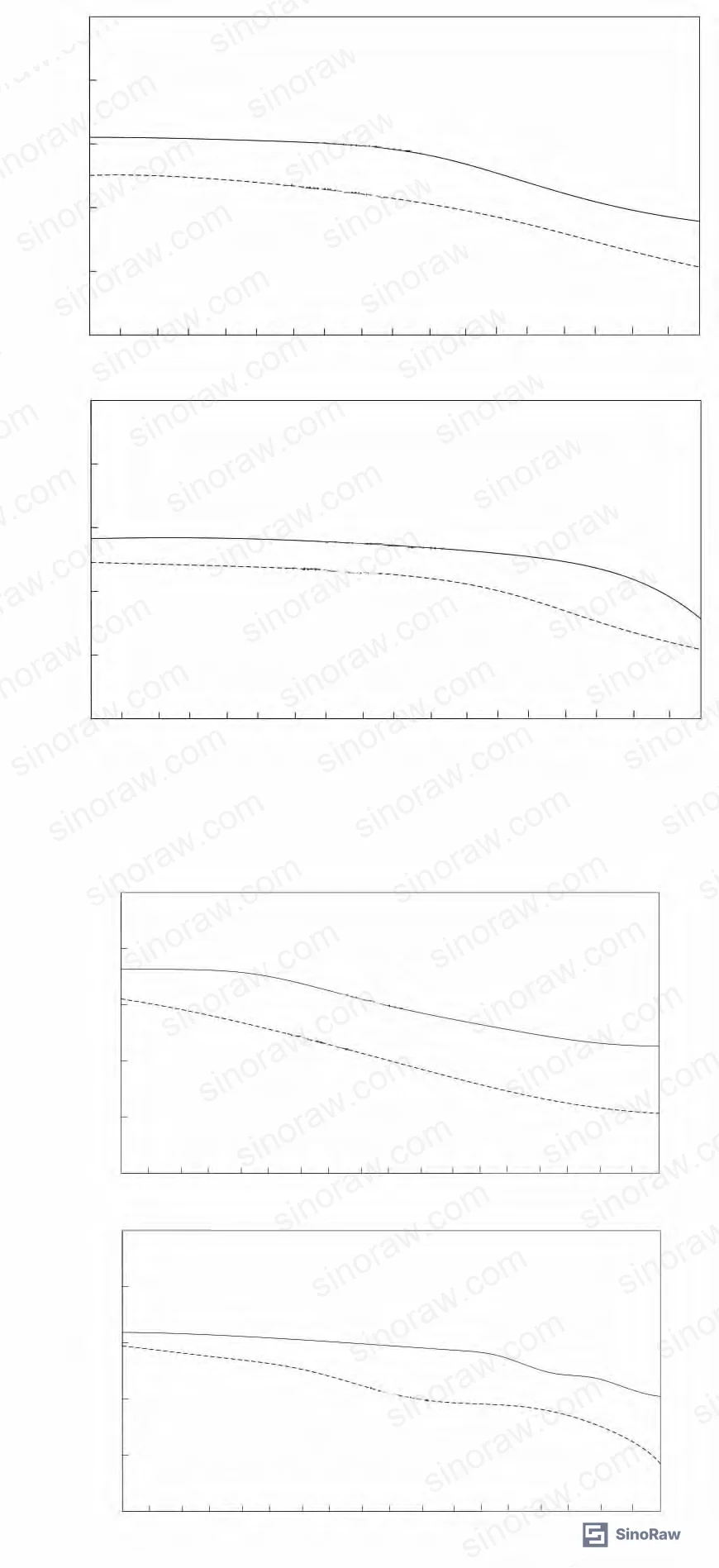
Three findings stand out:
The silicone modification holds its advantage across all three environments. In every water condition tested, the methyl silicone oil-modified sealant delivered higher adhesion strength and higher peel strength than the unmodified base sealant. Initial adhesion strength for the silicone variant in normal temperature water started near 4.5 MPa; the base sealant started below 3 MPa in the same condition.
Degradation is non-linear — slow at first, then accelerates. Both sealants showed a characteristic two-phase degradation curve: gradual decline through approximately the first 50–60 days, followed by noticeably faster performance loss from day 60 to day 100. The silicone sealant degrades more slowly in both phases — its residual adhesion at day 100 is still meaningfully above what the base sealant delivered at day 10. This is operationally significant: it suggests the modified sealant will hold through multiple wet seasons where the base product would need re-application after the first.
Low temperature is the harshest environment — more damaging than saline water. This is a point most procurement specs don’t capture correctly. The 0–5 °C immersion condition produced lower adhesion retention than the 5% saline environment. The mechanism is straightforward: low temperature suppresses elastic recovery in the sealant material, which reduces the interfacial stress tolerance at the sealant-substrate bond line. Salt water, despite its corrosive reputation, was less damaging to wet adhesion than cold water alone across the full 100-day test window.
Failure Mode Analysis and Low-Temperature Vulnerability #
In qualification testing involving similar pavement sealants, we’ve observed three common failure patterns that this data helps explain. First, cohesive failure within the sealant body under sustained low-temperature immersion — the sealant stiffens, loses elongation compliance, and cracks internally before the bond line even fails. Second, adhesive failure at the sealant-asphalt interface when surface prep is inadequate, which the silane coupling agent in the formulation is specifically intended to prevent. Third — and this is the one that catches teams off guard — delayed failure at around the 60-day mark after installation, right when inspection cycles have typically relaxed.
That 60-day inflection point in the degradation curve is not coincidental. Current industry data shows that water uptake in silicone sealant systems follows a saturation-then-plasticization pathway: the initial slow-degradation phase corresponds to surface exposure where the hydrophobic silicone network resists water penetration, while the accelerated phase begins once moisture has migrated to the substrate interface and begun disrupting adhesion at the coupling agent layer. This behavior has been documented consistently in recent field evaluations of pavement joint sealants in high-rainfall and freeze-thaw regions.
For buyers specifying sealant for infrastructure in northern climates or at altitude — think highway contracts in Yunnan, Sichuan, or comparable overseas geographies — the low-temperature bonding requirement is not a secondary criterion. It should appear explicitly in your procurement specification. Referencing ASTM D5329 (joint sealants for concrete and asphalt) or EN 14188-2 (cold-applied joint sealant specifications) gives your suppliers a shared test framework and reduces ambiguity in supplier comparison.
Most procurement teams don’t realize that the elastic recovery criterion under low-temperature conditions has become a mandatory differentiation point in updated pavement sealant standards — not just a general quality indicator. Elastic recovery below approximately 60% at service temperature essentially disqualifies a sealant for joint-movement applications regardless of tensile strength. The 150 g methyl silicone oil formulation, with its 47.52% elastic recovery, would fail this threshold. That’s a formulation that looks competitive on strength data alone.
Practical Guidance for Buyers #
For procurement engineers sourcing silicone crack-fill sealant for infrastructure or industrial pavement applications, the selection criteria need to go beyond dry tensile strength. Wet adhesion retention after prolonged immersion — tested at both ambient and low temperature — is the specification that separates long-service product from short-cycle repair material.
At sinoraw.com, our role is to help overseas sourcing teams identify and qualify Chinese manufacturers of industrial sealants and chemical materials before they commit to an order. We evaluate supplier documentation, request third-party test data, and flag formulation-level gaps in supplier datasheets that buyers in other time zones won’t catch through standard RFQ processes alone. For a product category like pavement-grade silicone sealant, where formulation details — specifically the methyl silicone oil loading level and silane coupling agent selection — determine wet-condition performance, having that evaluation layer matters.
When comparing supplier offers, ask specifically for: wet adhesion test data (not just dry), elastic recovery at temperatures reflecting your installation climate, and confirmation that the formulation meets GB/T 528 and JT/T 740 at minimum. If suppliers cannot provide 60-day or 90-day immersion data, treat that as a qualification gap.
For related sealant and adhesive sourcing guidance, see our silicone and RTV sealant category and structural UV adhesives resource.
Frequently Asked Questions #
Why does methyl silicone oil improve wet adhesion performance in pavement sealants?
Methyl silicone oil increases the hydrophobicity and chain mobility of the silicone polymer network. This reduces water ingress at the sealant-substrate interface and maintains interfacial compliance under wet conditions. The effect is concentration-dependent: the 100 g loading level in this evaluation delivered optimal adhesion strength (3.54 MPa tensile, 1560% elongation at break) while preserving elastic recovery above 80%. Higher loading (150 g) improved tensile metrics but caused elastic recovery to fall to 47.52%, which compromises performance under joint movement.
What immersion test standards should I require from Chinese silicone sealant suppliers?
At minimum, ask for test data per GB/T 528 for tensile and elongation, and JT/T 740 for pavement-specific criteria including cone penetration and elastic recovery. For international infrastructure projects, ASTM D5329 or EN 14188-2 provide accepted frameworks. Critically, ask for data from wet-condition testing — not just ambient dry samples — and specify the immersion duration and temperature range used.
Is silicone sealant better than polyurethane or modified asphalt sealant for pavement crack filling?
It depends on the environment. Modified asphalt (SBS or SBS+PCC blended) performs well in moderate climates at lower cost. Polyurethane formulations can offer good low-temperature flexibility. Silicone sealant’s advantage is in sustained wet-condition adhesion and temperature resistance — particularly in freeze-thaw cycling or high-precipitation environments where the hydrophobic silicone backbone resists moisture-induced debonding. For buyers in tropical or high-altitude climates, silicone’s wet-adhesion retention over 60–100 day immersion is typically superior to both alternatives.
Why is low-temperature performance more critical than saline resistance for most buyers?
The test data shows clearly that the 0–5 °C immersion environment caused greater adhesion degradation than the 5% saline environment across the full 100-day test period. Cold temperatures suppress elastic recovery in the sealant, reducing its ability to accommodate joint movement without debonding. Unless your application is in a coastal or de-icing salt environment with minimal temperature variation, low-temperature wet adhesion is typically the binding constraint.
How do I verify elastic recovery claims in a supplier datasheet?
Ask for the specific test method and temperature at which elastic recovery was measured. The JT/T 740 standard defines the test protocol for pavement crack sealants. A result reported at 23 °C will look very different from the same product tested at 5 °C. Suppliers who report a single elastic recovery figure without temperature context are giving you incomplete data — and a formulation with acceptable recovery at room temperature may still fail below 60% at low service temperatures, which disqualifies it for joint-movement applications.
Published by sinoraw.com Technical Team | Request a sourcing quote
Content reviewed by michael.fang | © sinoraw.com — All rights reserved. Unauthorized reproduction prohibited.


