

TL;DR #
CNT-based antistatic release PET films with acid post-treatment achieve sheet resistance as low as 4×10³ Ω/□ — firmly in the static-dissipative range — while maintaining visible light transmittance above 80% and adhesion grade 1 after four months of environmental aging. For buyers, this means antistatic durability is no longer a compromise against optical clarity or release stability: you can specify all three simultaneously. Before issuing any RFQ, require suppliers to provide sheet resistance data both at initial production and after 120-day aging under variable temperature and humidity.
Overview #
If you’ve been sourcing antistatic release films and accepting mediocre shelf-life performance because “that’s just how ionic antistatic agents work,” it’s time to revisit your specification. University-led research conducted in collaboration with an optoelectronic film manufacturer — covering both single-wall and multi-wall carbon nanotube (CNT) dispersion systems, multiple wire-bar coating weights, and two distinct post-treatment protocols — confirms that properly formulated CNT coatings deliver antistatic performance that doesn’t degrade the way legacy additive systems do.
The study evaluated external-addition and internal-addition fabrication routes across a 75 μm PET substrate base, comparing sheet resistance, transmittance, adhesion, and four-month durability under variable storage conditions (18–28 °C, 30–60% relative humidity). The results are specific enough to put directly into a purchase specification.
PET release films sit at the center of a wide range of industrial applications — electronics lamination, die-cutting, PCB processing, pressure-sensitive adhesive products, and protective packaging — and static charge accumulation is one of the most consistent sources of yield loss in those lines. The failure mode is predictable: peeling or friction events charge the film surface, and without a dissipative path, that charge attracts contamination, causes adhesive delamination failures, or in sensitive electronics environments, triggers ESD damage downstream.
CNT Coating Architecture and Sheet Resistance Performance #
The core performance variable in these films is sheet resistance (Ω/□), and understanding where the thresholds sit is non-negotiable before writing a spec.
Classification by sheet resistance:
- Insulating film: >10¹² Ω/□
- Static-dissipative film: 10⁵–10¹² Ω/□
- Static-conductive film: 10³–10⁶ Ω/□
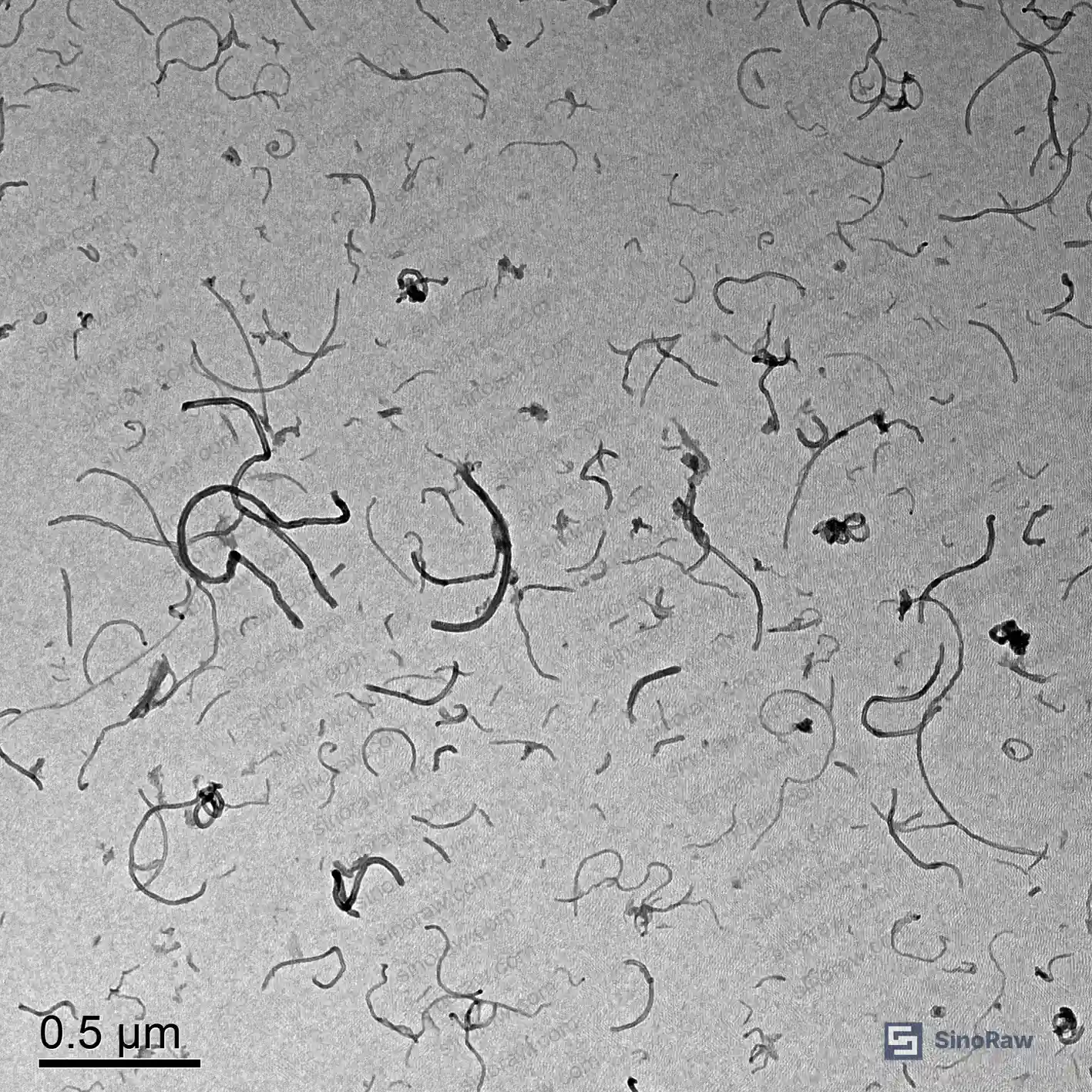
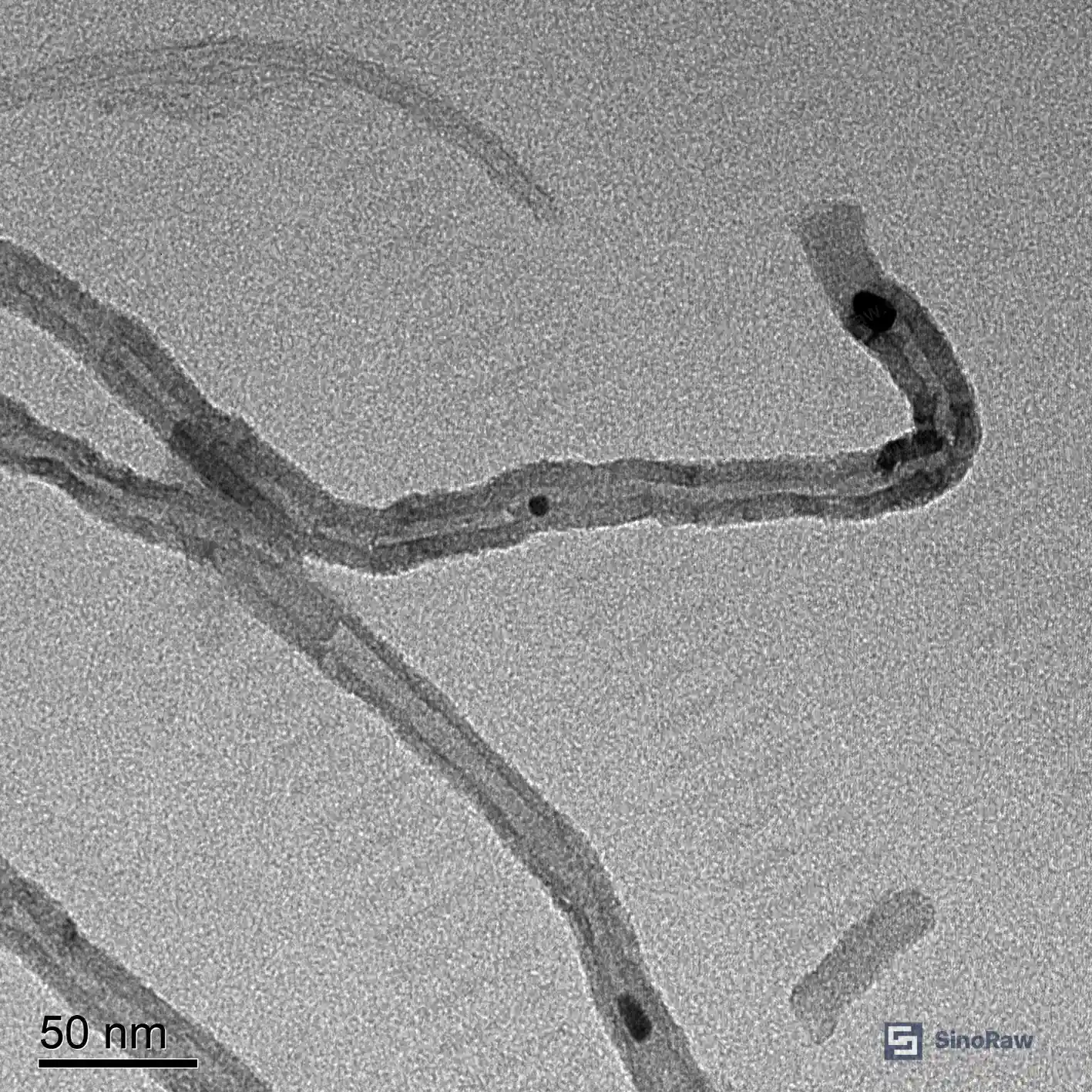
The external-addition route — where a SWCNT aqueous dispersion (approximately 0.05 wt% concentration) is bar-coated onto corona-treated PET and then overcoated with a silicone release layer — outperforms the internal-addition route consistently. The reason is structural: the external CNT layer forms a continuous conductive network, whereas blending CNT directly into the silicone resin disrupts that network continuity.
Post-treatment protocol matters enormously. Under identical coating conditions, acid-treated films (40 wt% nitric acid soak, 24 hours) produce sheet resistance in the 10³–10⁴ Ω/□ range, while water-treated films only reach 10⁴–10⁵ Ω/□. The mechanism: nitric acid removes residual dispersant from CNT surfaces — that dispersant acts as an insulating layer between tubes — and simultaneously p-dopes the CNT network, increasing hole carrier density and dropping resistivity. Water washing partially clears dispersant but cannot achieve the doping effect.
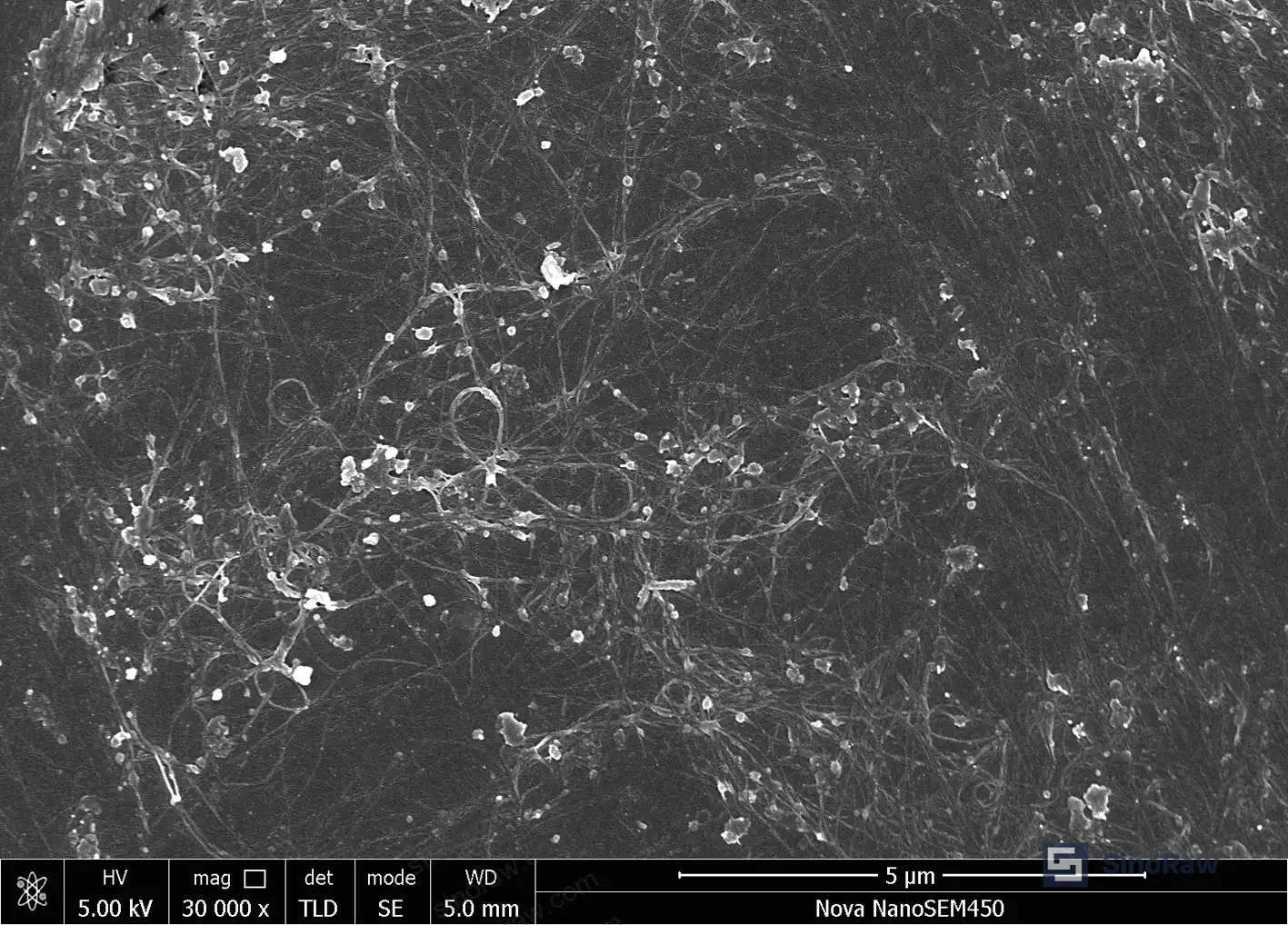
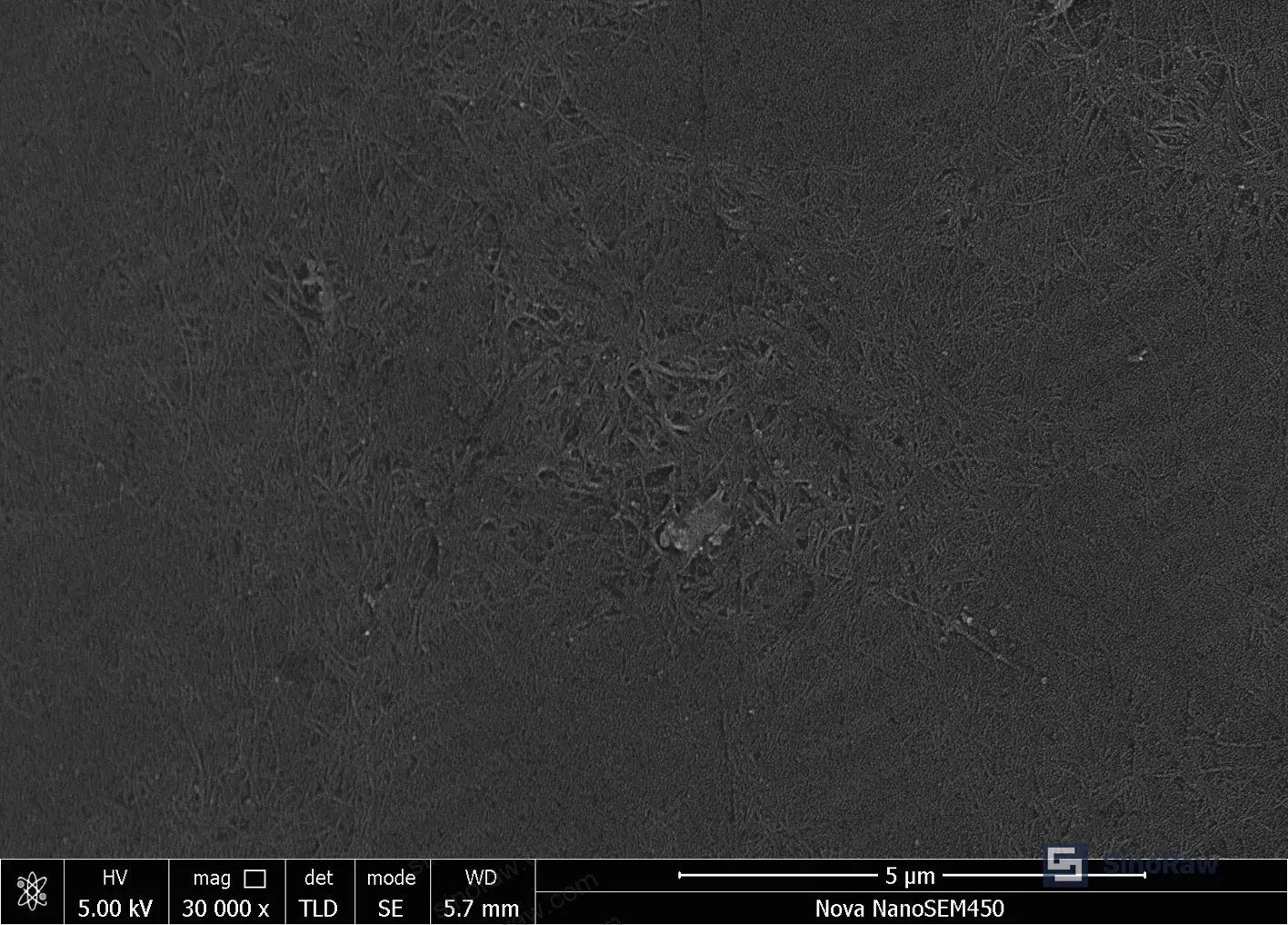
Wire bar selection directly controls coating thickness and therefore network density. The No. 7 wire bar produces the thickest SWCNT layer in the external-addition route and yields the best antistatic performance. In the internal-addition route, increasing bar number (4 → 6 → 9) progressively reduces sheet resistance as coating thickness grows, though all internal-addition samples stabilize around 10⁷ Ω/□ — adequate for static-dissipative classification but not competitive with the external-addition acid-treated result.
| Film Type | Post-Treatment | Sheet Resistance (Ω/□) | Classification |
|---|---|---|---|
| External addition, SWCNT | Acid (HNO₃ 40 wt%) | 10³–10⁴ | Static-conductive |
| External addition, SWCNT | Water wash | 10⁴–10⁵ | Static-dissipative |
| Internal addition, MWCNT | No separate post-treatment | ~10⁷ | Static-dissipative |
| Uncoated PET (reference) | — | >10¹² | Insulating |
Honestly, most buyers over-specify sheet resistance for general packaging applications. For electronics dry film lamination or carrier tape applications, 10³–10⁴ Ω/□ is genuinely necessary. For label stock or industrial protective film, 10⁶–10⁹ Ω/□ is usually sufficient — and you’ll pay a significant premium chasing the tighter spec without any functional benefit. Know which application you’re qualifying for before locking the number.
The transmittance data at 550 nm (solar average wavelength) shows a clear trade-off: thinner CNT coatings transmit more light. The No. 6 bar external-addition film achieves transmittance above 85% in the visible range (390–780 nm), which is the practical target for most optical or display-adjacent applications. Thicker coatings — while better for antistatic performance — reduce transmittance because the CNT network absorbs light in the visible spectrum. Specifying both ≥85% transmittance and sheet resistance ≤10⁴ Ω/□ simultaneously is achievable, but only with careful coating weight optimization. Suppliers who tell you otherwise either haven’t tested the combination or are conflating two different coating thicknesses.
For buyers concerned about compliance in electronic component packaging, the RoHS Directive 2011/65/EU remains the baseline — CNT-based coatings don’t inherently trigger RoHS substance restrictions, but you’ll want confirmation that no cadmium, lead, or hexavalent chromium compounds appear in the dispersant or catalyst formulation.
Durability, Adhesion, and Long-Term Antistatic Stability #
This is where CNT-based films genuinely separate from ionic antistatic agents, and it’s the most procurement-relevant finding in the entire dataset.
The aging test is straightforward: films prepared by external addition with a No. 6 wire bar were stored under variable temperature (18–28 °C) and relative humidity (30–60%) for four months, then re-tested. Initial sheet resistance: 1.007×10⁴ Ω/□. Post-aging sheet resistance: 1.039×10⁴ Ω/□. That’s less than a 4% change — no order-of-magnitude shift, no loss of antistatic classification.
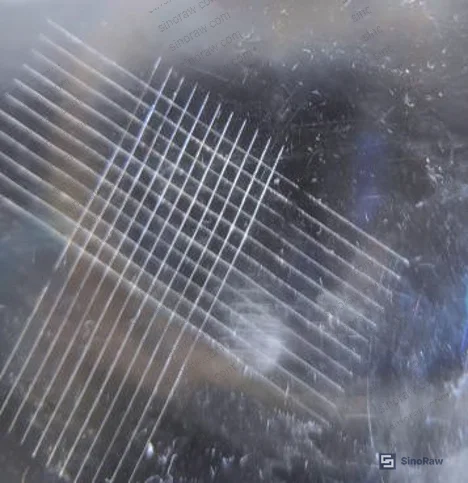
Transmittance post-aging: effectively unchanged. Adhesion: grade 1 per GB/T 1720-2020, meaning delamination area under cross-cut test is less than 5%. For a CNT coating applied over a silicone release layer — two materials with inherently different surface energies — achieving grade 1 adhesion is not trivial.
In supplier qualification, we saw failures at exactly this stage. Three of six candidate samples from different suppliers showed adhesion grade 3 or worse — peel area exceeding 15% — because the silicone cure cycle wasn’t controlled tightly enough. The 95 °C oven with controlled total airflow of 25,000 m³/h and 90-second dwell for the SWCNT underlayer, followed by a separate cure step for the release topcoat, is not interchangeable with a simplified single-pass process. Suppliers who combine both steps to reduce cycle time sacrifice adhesion.
The water contact angle data reinforces why adhesion works when the process is correct: corona-treated PET shows an initial water contact angle of approximately 40°, dropping to around 30° at equilibrium. That near-zero contact angle confirms the substrate is genuinely hydrophilic and wets completely before coating — if a supplier skips or under-powers the corona treatment step, the coating will fail to anchor properly regardless of what adhesion promoter they add.
Most procurement teams don’t realize that the antistatic performance classification system (insulating / static-dissipative / static-conductive) hasn’t been uniformly adopted across all Asian release film suppliers. You’ll encounter datasheets that report surface resistivity in Ω rather than sheet resistance in Ω/□, which are not the same measurement. The four-point probe method used in this work (measuring sheet resistance directly) is the correct protocol for thin conductive films — buyers should explicitly specify four-point probe measurement per the applicable standard when requesting qualification data, not just any resistivity figure the supplier chooses to report.
Tensile properties and oxygen barrier aren’t primary performance drivers for antistatic release films, but if your application involves barrier films used in combination — for example, antistatic + barrier laminates for pharmaceutical dry component packaging — you’ll want separate barrier qualification data. The CNT layer itself doesn’t meaningfully contribute to oxygen transmission rate in these coating weights. Refer to ASTM D3985 if OTR is part of your combined specification.
Practical Guidance for Buyers #
When you’re evaluating Chinese suppliers of antistatic release PET film, the single most useful pre-qualification question is: “What post-treatment protocol do you use on your CNT layer, and can you provide sheet resistance data before and after?” Suppliers using acid post-treatment who understand why it works — dispersant removal plus p-doping — will answer that question precisely. Those using only water wash, or who can’t explain the mechanism, will consistently deliver sheet resistance one order of magnitude worse than claimed.
Specify the measurement method explicitly: four-point probe, three to five measurement positions averaged, reported as Ω/□ (not surface resistivity). Require adhesion data per a recognized cross-cut test standard with stated delamination area. And require aging data — minimum 90 days at variable temperature/humidity — not just fresh-sample values.
At sinoraw.com, our role is to support procurement engineers and technical buyers in pre-qualifying Chinese manufacturers before RFQs are issued — connecting your specification requirements directly to verified suppliers who have actually run the process, not just listed the product. For antistatic release film specifically, we can filter by coating technology, post-treatment method, and available test documentation.
Tensile performance of the base PET substrate is governed by ASTM D882 — worth including as a reference standard in your purchase specification to align expectations with Chinese suppliers who may otherwise default to GB equivalent methods.
Incoming inspection sampling should follow ISO 2859-1:1999 attribute sampling protocols — sheet resistance and transmittance are both measurable attributes suitable for AQL-based acceptance criteria.
Need help identifying qualified suppliers for CNT antistatic release film? Talk to our sourcing team →
Supplier Qualification Questions #
- What is your target sheet resistance specification for the CNT antistatic layer, and do you report it as Ω/□ measured by four-point probe? Can you provide batch release data showing values consistently in the 10³–10⁴ Ω/□ range?
- What post-treatment method do you apply to the CNT coating — nitric acid immersion (at what concentration and soak duration) or water wash only — and can you provide comparative sheet resistance data showing the effect of your chosen method?
- Can you provide four-month aging stability data for sheet resistance under variable temperature (18–28 °C) and relative humidity (30–60%), demonstrating less than one order-of-magnitude change from initial value?
- What is your measured light transmittance at 550 nm for your standard antistatic release film grade, and what wire bar coating weight produces that result? Can you supply UV-Vis spectrophotometer scan data from 200 to 800 nm?
- What is the adhesion grade of your antistatic release coating per cross-cut test methodology, and what is the measured delamination area percentage? Specifically, can you confirm the coating achieves grade 1 (less than 5% delamination area)?
Sourcing Checklist #
- ☐ Sheet resistance confirmed ≤10⁴ Ω/□ by four-point probe measurement (3–5 positions averaged), placing film in static-conductive or upper static-dissipative range
- ☐ Acid post-treatment (≥40 wt% nitric acid, ≥24 hour soak) applied to CNT layer, confirmed by supplier process documentation
- ☐ Light transmittance at 550 nm ≥80% confirmed by UV-Vis spectrophotometry scan across 200–800 nm range
- ☐ Adhesion test result: grade 1 per cross-cut method with delamination area <5%
- ☐ Aging stability data provided showing sheet resistance change
- ☐ PET substrate confirmed at 75 μm thickness with corona pretreatment, water contact angle ≤40° initial value
- ☐ No RoHS-restricted substances (lead, cadmium, hexavalent chromium) in dispersant, catalyst, or crosslinker components — confirmation letter or test report provided
- ☐ Supplier can differentiate between SWCNT and MWCNT grades used and explain the functional rationale for their selection
Key Specifications Table #
| Parameter | Recommended Value | Verification Method |
|---|---|---|
| Sheet resistance (CNT antistatic layer) | ≤4×10³ Ω/□ (target); ≤10⁴ Ω/□ (acceptable) | Four-point probe, MCP-T700 or equivalent, 3–5 positions averaged |
| Visible light transmittance at 550 nm | ≥80% (minimum); ≥85% (preferred for optical applications) | UV-Vis spectrophotometry, scan range 200–800 nm |
| Adhesion grade (cross-cut test) | Grade 1 (delamination area <5%) | Cross-cut test per GB/T 1720-2020 or equivalent |
| Sheet resistance after 4-month aging | ≤1.1× initial value (no order-of-magnitude change) | Four-point probe re-test after 120-day storage at 18–28 °C, 30–60% RH |
| Water contact angle on corona-treated PET substrate | ≤40° initial; stabilizing at ≈30° | Optical contact angle measurement (DSA series or equivalent) |
| PET substrate base thickness | 75 μm | Micrometer or cross-section SEM |
Can’t find a supplier meeting these specs? Submit your requirements and we’ll match you within 48 hours.
References #
Data source: Carbon Nanotube-Based Antistatic Coatings for Release PET Films: Preparation, Post-Treatment Effects, and Durability Performance, R.-P. Yu et al., Journal of Applied Polymer Science, 2024
Frequently Asked Questions #
Why does acid post-treatment produce better antistatic performance than water washing?
Nitric acid (40 wt%) performs two distinct functions simultaneously. First, it dissolves and removes residual dispersant from CNT surfaces — that dispersant, while essential for achieving good tube separation during ball-milling dispersion, acts as an insulating barrier between carbon nanotubes in the finished network, increasing contact resistance. Second, HNO₃ p-dopes the CNT network by increasing hole carrier density, which directly improves semiconductor conductivity. Water washing removes some dispersant but delivers none of the doping effect. The result: acid-treated films consistently reach sheet resistance in the 10³–10⁴ Ω/□ range, versus 10⁴–10⁵ Ω/□ for water-treated equivalents under identical coating conditions.
What’s the practical difference between specifying 10⁴ Ω/□ versus 10⁷ Ω/□ for my application?
Both values fall in the static-dissipative range, but 10⁴ Ω/□ provides a much faster charge decay path and sits near the boundary of static-conductive classification. For electronics component carrier films or die-cutting operations with sensitive adhesive layers, 10⁴ Ω/□ is the safer specification. For general industrial packaging where static is a nuisance rather than a yield-loss driver, 10⁷ Ω/□ is usually adequate — and films at that spec are easier to source and less expensive.
Can CNT antistatic coatings be applied over any silicone release chemistry?
Not without process tuning. The external-addition architecture requires the CNT layer to cure independently at 70 °C for 90 seconds before the silicone release topcoat is applied and cured at 95 °C. The cure temperatures and dwell times are not interchangeable. Platinum-catalyzed silicone systems (the most common for premium release films) are sensitive to contamination and cure inhibition — if the CNT layer retains residual dispersant or solvent at the topcoat application stage, cure inhibition can occur at the interface, directly reducing adhesion. Suppliers who apply both layers in a single-pass process or use the same cure cycle for both should be asked specifically how they prevent interfacial cure inhibition.
How do I verify a supplier’s sheet resistance claim without my own four-point probe?
Request a third-party test report from a recognized materials testing lab, specifying that the measurement was made by four-point probe on the finished coated film (not on a bare substrate or on a separate test coupon from a different batch). The report should state the number of measurement positions and whether the reported value is an average. If the supplier provides surface resistivity (Ω) rather than sheet resistance (Ω/□), those are different quantities — ask them to clarify and retest under the correct protocol.
Does the CNT antistatic layer affect the release force of the silicone topcoat?
Based on the available test data, adhesion grade 1 confirms the CNT layer is compatible with the silicone topcoat without delamination, and release stability is described as consistent. However, specific peel force values for the release function aren’t the primary variable being optimized in CNT antistatic film development — they’re governed by the silicone resin grade and crosslinker ratio. When qualifying a supplier, request release force data (light, medium, or heavy release class) as a separate specification independent of the antistatic performance data.
Published by sinoraw.com Technical Team | Request a sourcing quote


