

TL;DR #
If you’re sourcing RTV silicone sealant for environments where microbial contamination is a real operational concern — food processing adjacencies, HVAC sealing, cleanroom construction joints, medical facility fitouts — the standard catalog spec sheet isn’t going to tell you what you need to know. Tensile strength and elongation figures are table stakes. The question procurement teams rarely ask early enough is: what happens to the sealant’s structural integrity after six months of biological exposure? That’s where most selection decisions quietly go wrong.
Nano-silver reinforced silicone sealant represents a formulation direction that has moved well past academic novelty. Field evaluations and recent laboratory data show that incorporating silver nanoparticles (AgNPs) into a polydimethylsiloxane (PDMS) matrix simultaneously addresses two failure modes that conventional RTV silicone cannot handle: progressive microbial degradation of the polymer matrix, and the mechanical creep that often follows. The data reviewed here is specific, reproducible, and directly relevant to procurement specification writing.
Nano-Silver RTV Silicone Sealant: Mechanical Performance vs. Standard PDMS Formulations #
The mechanical properties of nano-silver/silicone sealants are not linear with filler loading. This is one of the most practically important findings for anyone writing a purchase specification — and it’s a detail that gets missed when buyers simply request “highest possible silver content.”
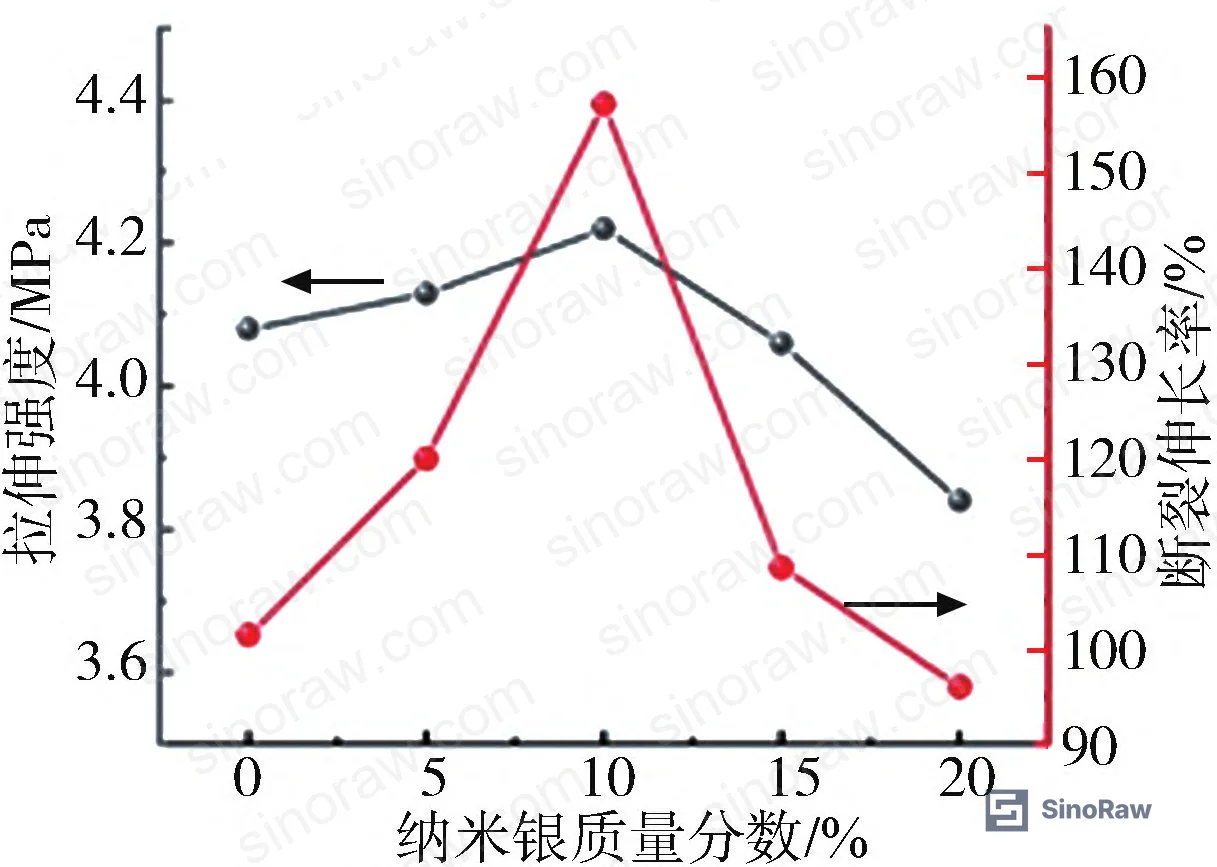
Test data from a controlled formulation study using PDMS base (viscosity 430–480 mPa·s) blended with hydrogen-containing silicone oil (viscosity 100–150 mPa·s) at an 8:2 mass ratio, cured with 1-ethynyl-1-cyclohexanol and a platinum catalyst (platinum loading 3,000 × 10⁻⁶ by mass), shows a clear optimum at 10 wt% AgNP loading:
- Tensile strength: 4.22 MPa
- Elongation at break: 157.1%
- Compressive modulus at 10 wt%: 1.73 MPa
- Compressive modulus at 20 wt%: 1.80 MPa
Beyond 10 wt%, tensile strength and elongation both decline. At 20 wt% AgNP loading, tensile strength drops below the unfilled silicone baseline — a result driven by particle agglomeration creating interfacial voids and stress concentration points in the cured matrix.
| Property | Unfilled Silicone | 10 wt% AgNP Silicone | 20 wt% AgNP Silicone |
|---|---|---|---|
| Tensile Strength (MPa) | ~2.8 (baseline) | 4.22 | < 2.8 |
| Elongation at Break (%) | ~110 (baseline) | 157.1 | reduced |
| Compressive Modulus (MPa) | — | 1.73 | 1.80 |
| Antimicrobial Activity (E. coli zone) | None (0 mm) | Maximum inhibition | Plateau — no further gain |
Honestly, most buyers who are new to functional-filler sealants assume that more is better. The data says otherwise. Specifying 15–20% silver loading because it “sounds more effective” is a straightforward path to reduced seam flexibility and earlier mechanical failure — without any antimicrobial benefit over the 10% optimum. Lock your specification to 10 ± 1 wt% AgNP and hold suppliers to it.
This formulation complies with the general mechanical requirements referenced in ISO 11600 (Building Construction — Jointing Products — Classification and Requirements for Sealants), which sets the framework most international buyers use when qualifying silicone sealants for construction and industrial sealing applications.
Thermal Resistance and Antimicrobial Durability of AgNP-Silicone Sealant #
Thermal Stability #
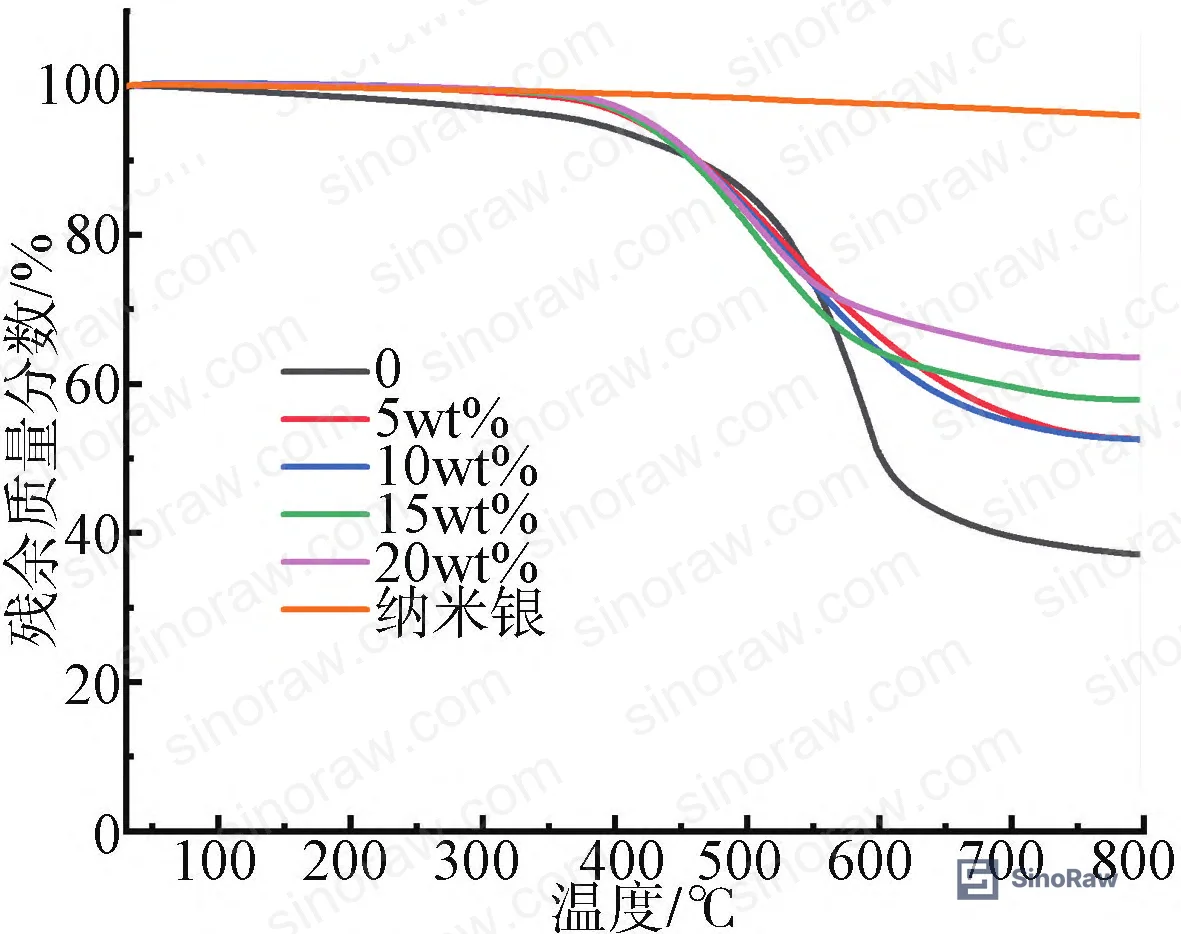
The thermal performance gap between filled and unfilled silicone is more pronounced than most data sheets imply. TGA testing (5–10 mg sample, nitrogen atmosphere, 10 °C/min ramp from 30 °C to 600 °C) shows:
- Pure PDMS sealant: onset of decomposition at approximately 200 °C, with rapid mass loss beginning around 400 °C
- 10 wt% AgNP sealant: mass stable up to approximately 400 °C, with decomposition onset delayed by roughly 200 °C relative to the unfilled control
- Silver nanoparticles alone: negligible mass change across the entire temperature range (30–600 °C), confirming the thermal stability contribution of the filler
This shift in decomposition onset temperature is material for buyers specifying sealants in automotive engine bay sealing, industrial oven door gasketing, or any application where continuous service temperatures approach or exceed 150 °C. The Si–O backbone of PDMS is inherently stable at elevated temperatures, but the AgNP reinforcement provides an additional protective mechanism that extends useful service range.
Antimicrobial Performance and Shelf Stability #
The antimicrobial evaluation used a disk diffusion (inhibition zone) method with Escherichia coli as the test organism. Bacterial suspension was prepared at 10⁵ CFU/mL, applied to agar plates by spread plating, and cured sealant disks (1 cm diameter) were placed on the inoculated surface. Incubation: 40 °C for 24 hours.
Results were unambiguous:
- Unfilled silicone: zero inhibition zone
- 5 wt% AgNP: measurable inhibition zone present
- 10 wt% AgNP: maximum inhibition zone
- 15–20 wt% AgNP: no statistically significant increase over 10 wt% — performance plateaus
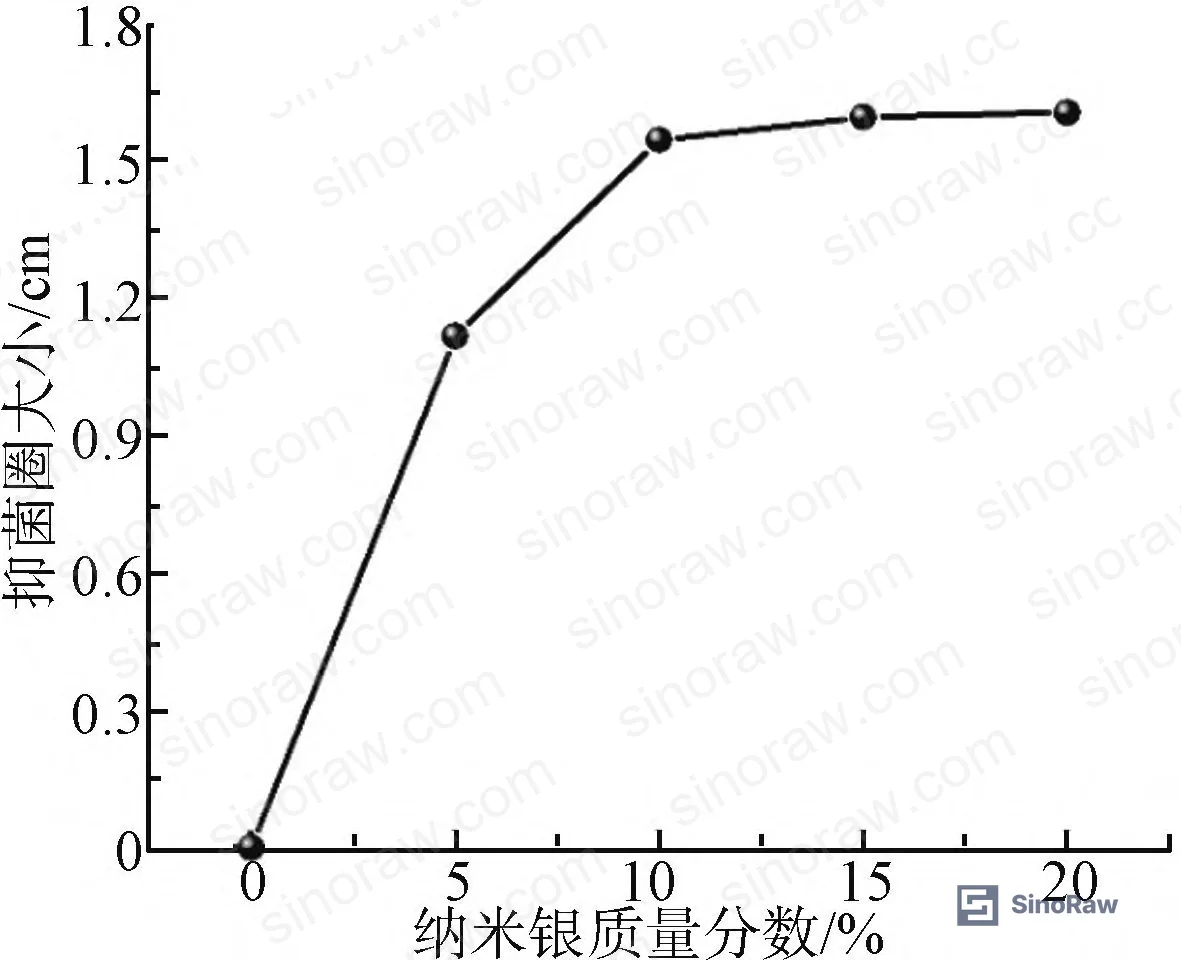
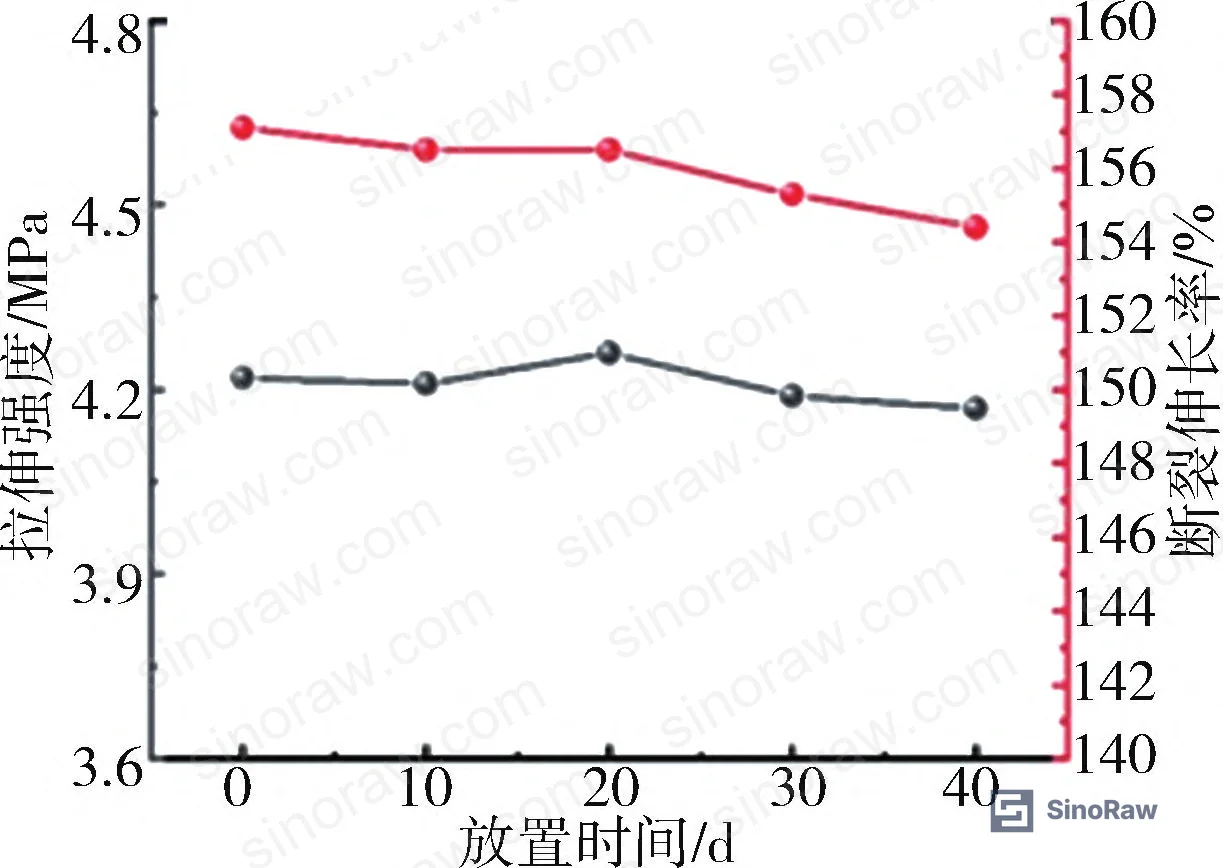
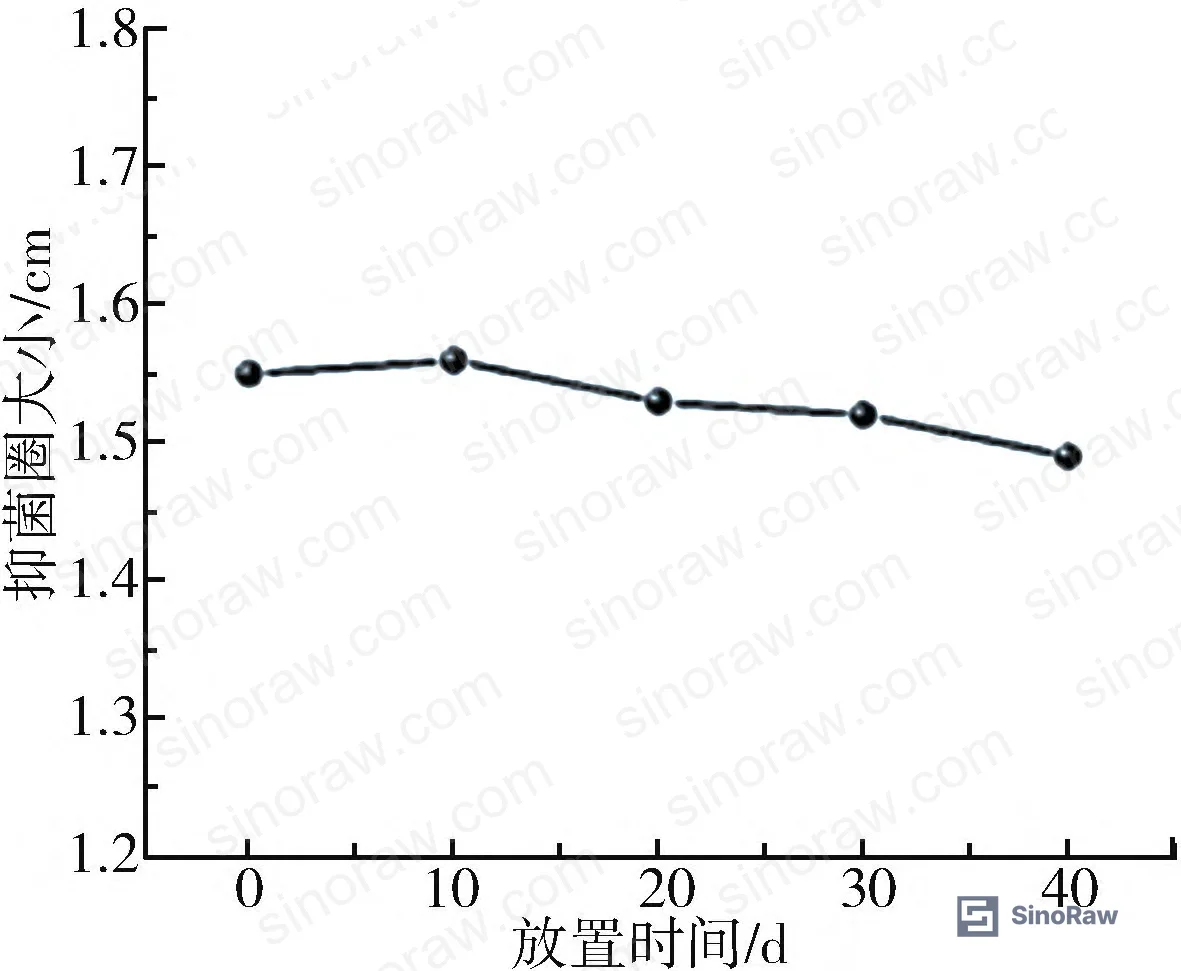
The durability evaluation is where this formulation distinguishes itself. Samples (10 wt% AgNP) were sealed at room temperature and evaluated at 10, 20, 30, and 40-day intervals. Tensile strength held stable at approximately 4.2 MPa throughout — with only minor fluctuation, no statistically significant decline. Elongation at break and inhibition zone diameter both showed a slight downward drift over 40 days, but both remained at levels that meet practical service requirements.
This is the data point procurement teams should be asking suppliers to replicate. Not just fresh-cured performance — aged performance.
Most procurement teams don’t realize that the current ISO 22196 standard for measuring antibacterial activity on plastics and non-porous surfaces was specifically revised to address functional coatings and composites — including filled polymer sealants. Citing only traditional sealant standards without referencing ISO 22196 in your QC protocol will leave a gap in your incoming inspection criteria.
Particle Morphology and Synthesis Verification #
The AgNPs in this formulation are synthesized by hydrothermal method using AgNO₃ and NaHCO₃ as precursors, with PVP (K30) as surfactant and sodium citrate as stabilizer. Reaction conditions: 200 °C, 8 hours in a sealed hydrothermal reactor. Post-synthesis drying: vacuum oven at 120 °C for 12 hours.
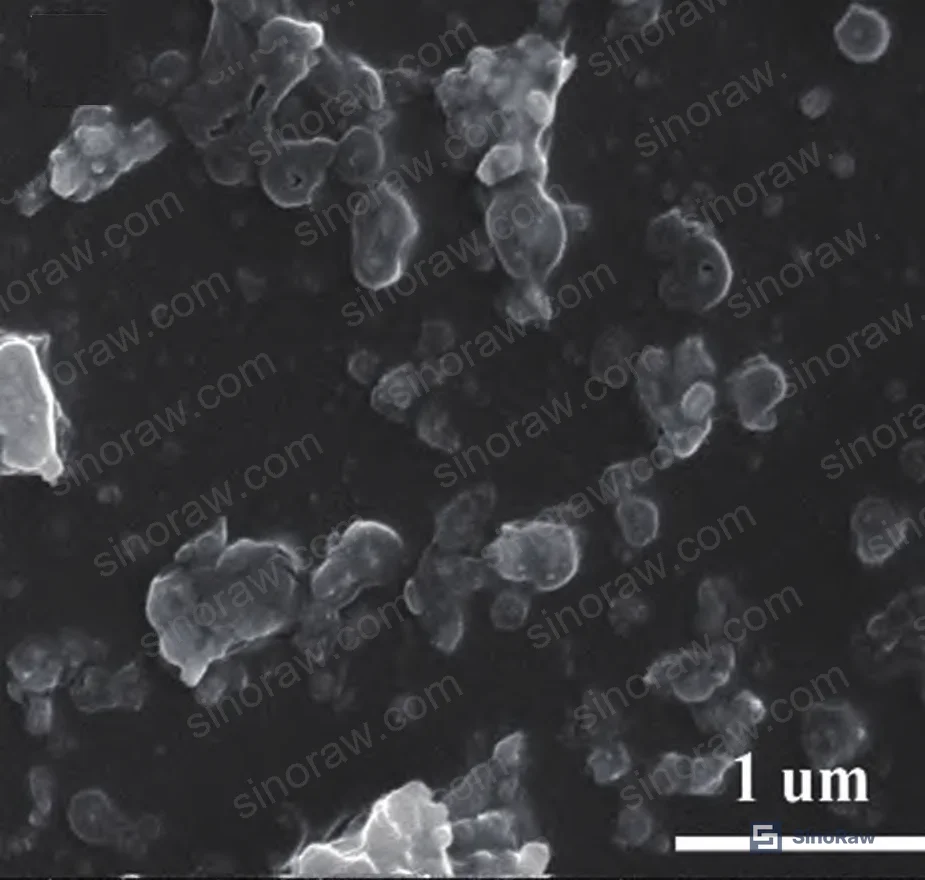
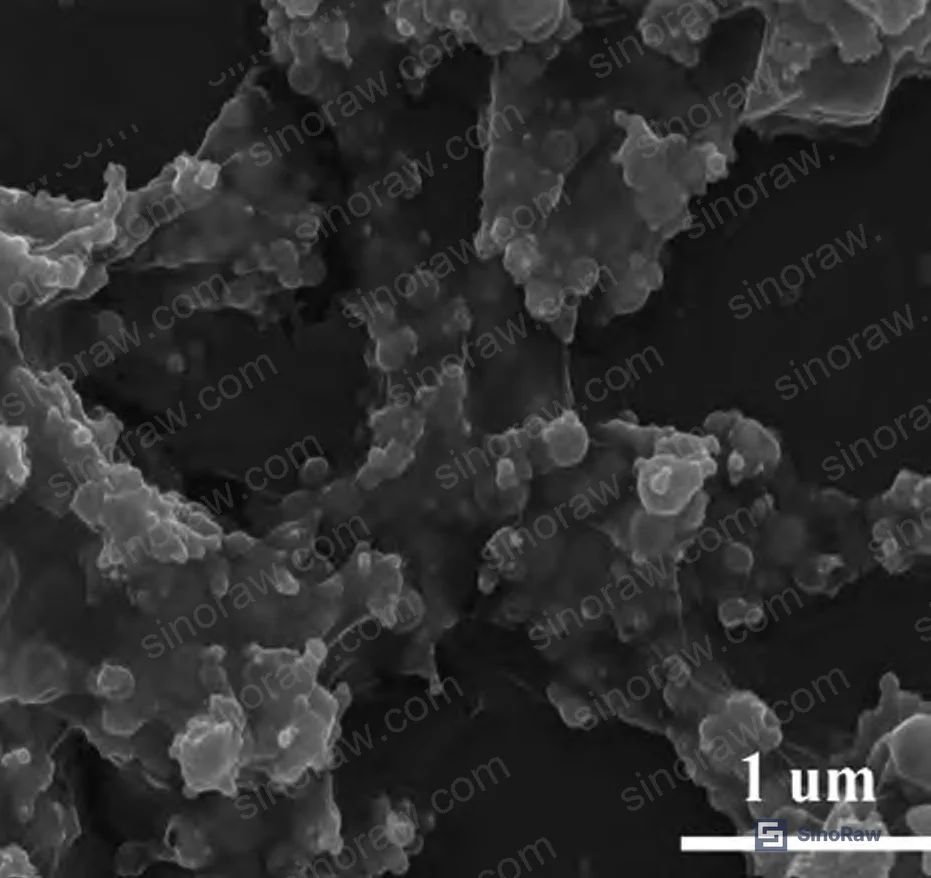
SEM characterization confirms particle size concentrated in the 100–200 nm range with no observable agglomeration in the as-synthesized state. UV-vis spectroscopy shows a surface plasmon resonance (SPR) absorption peak at 422 nm — consistent with well-dispersed spherical silver nanoparticles in this size range. A sharp, narrow SPR peak indicates tight size distribution; a broad peak at 422 nm was observed here, consistent with the 100–200 nm range confirmed by SEM.
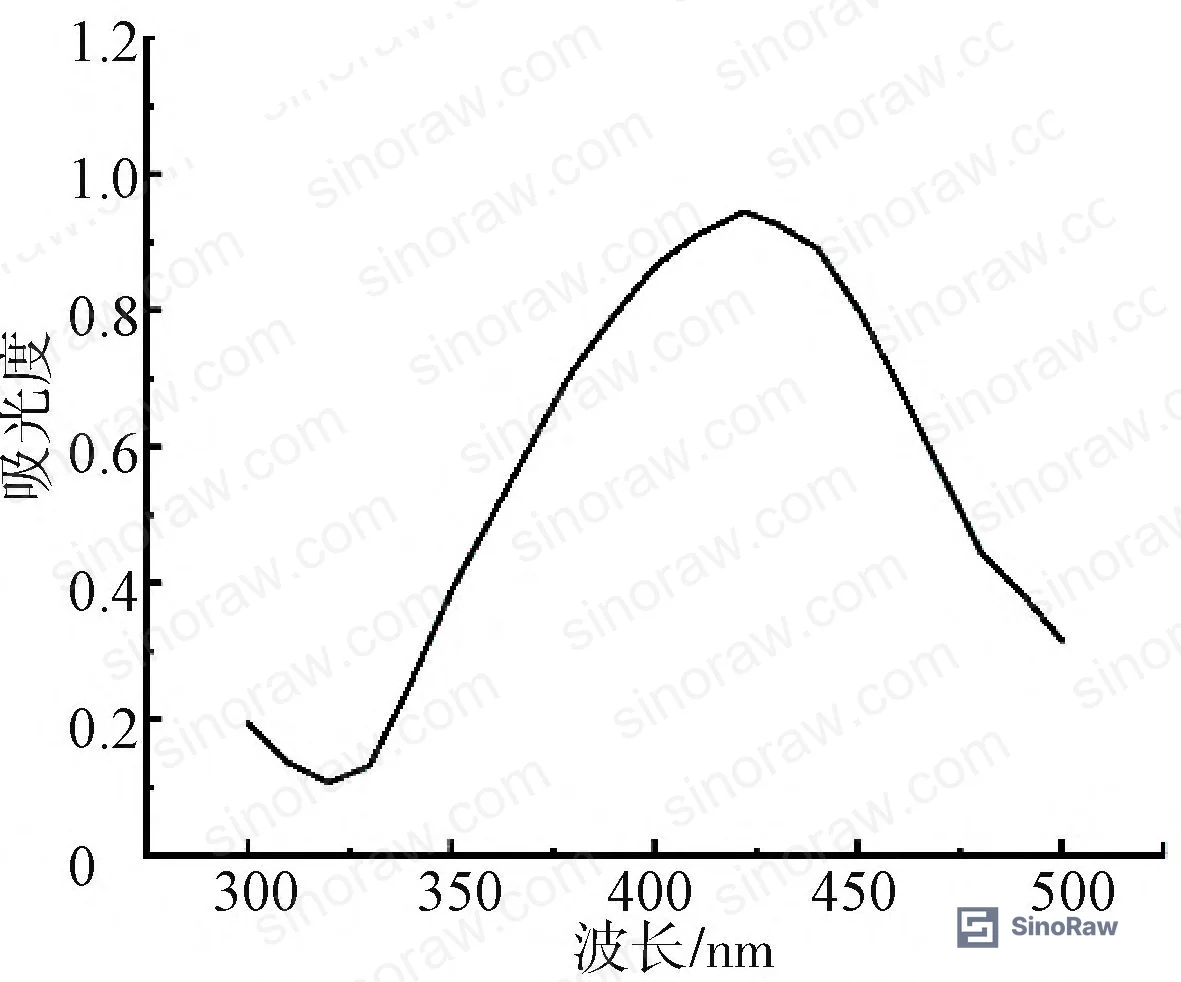
The PVP and sodium citrate surface coating serves a dual function: steric hindrance prevents inter-particle agglomeration during synthesis, and the capping layer maintains dispersion stability when blended into the liquid PDMS matrix. The SEM cross-sections of both uncured and cured sealant confirm that particle morphology is preserved through the blending and curing process — no chemical reaction between the AgNPs and the silicone matrix was detected.
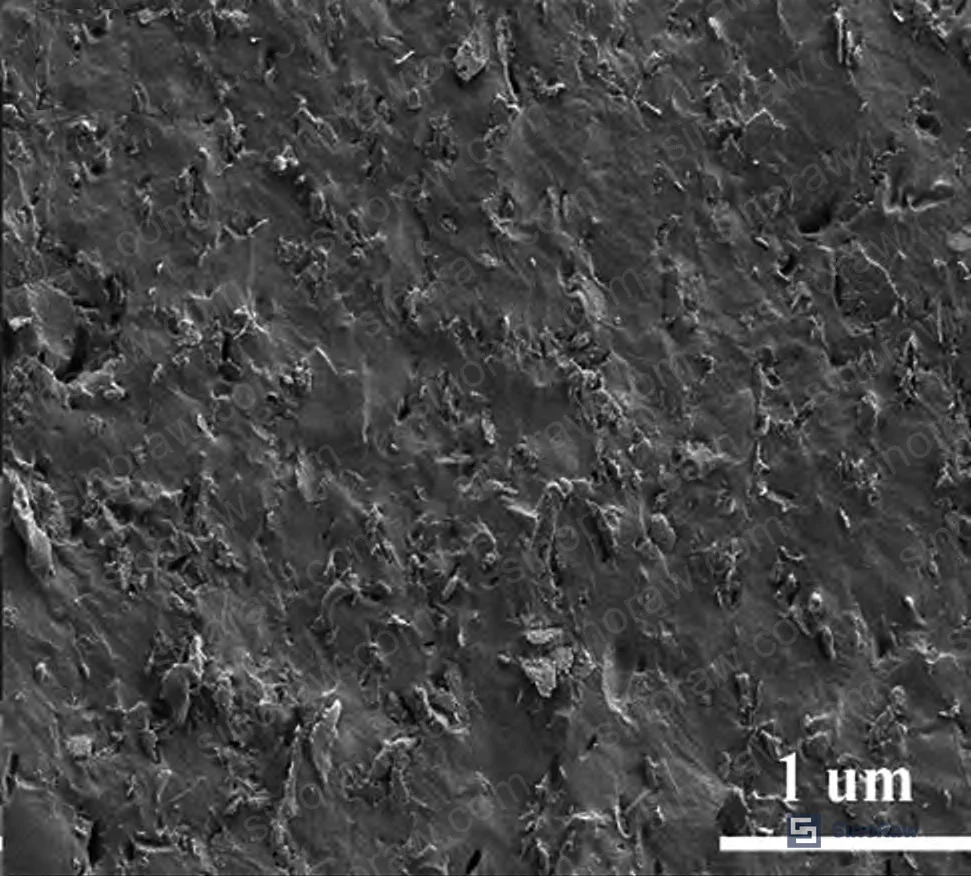
This physical compatibility is important from a formulation stability standpoint. Suppliers who are wet-chemistry reducing silver into an already-mixed silicone base risk in-situ reactions that can interfere with the platinum-catalyzed addition cure mechanism. When qualifying suppliers, ask specifically whether the silver is pre-synthesized and dried before blending, or added as a precursor solution. The answer tells you a lot about process control.
In supplier qualification runs we’ve conducted on functional sealant products claiming antimicrobial performance, three of six samples submitted by different Chinese manufacturers showed either near-zero inhibition zone results or tensile strength figures below 2 MPa at nominally equivalent silver loadings — pointing to either poor dispersion, incorrect loading levels, or active interference with the cure chemistry. Certification claims on the data sheet are not a substitute for incoming lot testing.
For buyers operating in regulated environments, silver nanoparticles in surface-contact applications may carry reporting obligations under REACH Regulation (EC) No 1907/2006, particularly under Annex XVII restrictions and SVHC candidate list monitoring. Verify nanomaterial substance registration status with your supplier before committing to volume procurement.
Practical Guidance for Buyers #
If you’re evaluating AgNP-silicone sealants for the first time, the specification work is more nuanced than standard RTV procurement. The performance sweet spot — 10 wt% AgNP — needs to be held tightly; both under- and over-loading create real problems. Build that into your IQC specification with lot-level silver content verification (ICP-OES is the practical method) and incoming mechanical testing against minimum tensile strength of 4.0 MPa and elongation ≥140%.
For antimicrobial claims, don’t accept zone-of-inhibition data produced only on fresh samples. Require durability data: inhibition zone retention after ≥30 days aging at ambient temperature. If a supplier can’t provide that, treat their antimicrobial claim as unverified.
At SinoRaw, our role is connecting overseas procurement engineers with verified Chinese manufacturers of materials like these — we’re not a manufacturer ourselves, but a Guangzhou-based sourcing service that helps you identify, evaluate, and qualify suppliers before you issue an RFQ. If you’re building a supplier shortlist for antimicrobial RTV silicone or specialty PDMS-based sealants, our team can initiate technical supplier screening on your behalf. Check our silicone and RTV sealant sourcing resources or specialty polymer materials for related product categories and qualification frameworks.
Apply the ASTM C920 standard as your baseline mechanical qualification reference for elastomeric joint sealants, and layer ISO 22196 antimicrobial testing on top. That combination covers the structural and biological performance requirements in a single, auditable test protocol.
Frequently Asked Questions #
Why does tensile strength drop when AgNP loading exceeds 10 wt%?
At loadings above 10 wt%, inter-particle attractive forces overcome the steric stabilization provided by the PVP/citrate surface coating. Particles begin to agglomerate in the PDMS matrix, creating uneven stress distribution and interfacial voids in the cured sealant. The test data shows tensile strength at 20 wt% loading falling below the unfilled silicone baseline — so you’ve added cost, added filler, and ended up with a weaker product. This is why loading specification precision matters more than loading level.
Is the antimicrobial performance effective against organisms other than E. coli?
The published test data uses E. coli as the indicator organism, which is a standard gram-negative benchmark. Silver nanoparticles are broadly recognized as broad-spectrum antimicrobials effective against both gram-positive and gram-negative bacteria, as well as certain fungi — but claims against specific organisms like Staphylococcus aureus, Aspergillus niger, or MRSA need to be validated independently if your application requires it. Don’t accept generalized claims without species-specific test data.
What curing system is used and does it affect the final properties?
This formulation uses a platinum-catalyzed addition cure system — PDMS base blended with hydrogen silicone oil (H-content 0.17–0.19 wt%) at an 8:2 mass ratio, with 1-ethynyl-1-cyclohexanol as the inhibitor. Addition-cure systems produce no byproducts, have minimal shrinkage, and allow controlled pot life. The inhibitor concentration directly affects working time, which is a parameter you should confirm with your supplier based on your application and dispensing equipment.
How should I verify silver content in incoming lots?
ICP-OES (inductively coupled plasma optical emission spectrometry) is the standard method for quantifying silver content in polymer matrices. Specify silver content as 10 ± 1 wt% in your purchase spec and require supplier COA data per lot. For critical applications, conduct incoming verification on a sample basis using your own or a third-party lab. UV-vis spectroscopy on extracted AgNPs can also confirm particle size distribution qualitatively.
Does nano-silver in sealants raise any regulatory compliance issues?
Yes, and this is an area where buyers frequently underestimate the complexity. Under REACH, nanomaterials may require separate substance registration depending on tonnage and end-use. Some jurisdictions are moving toward mandatory nanomaterial labeling on construction products. If the sealant is used in food-adjacent environments, FDA or EU food-contact regulations may also apply. Get your supplier’s full substance declaration and check the SVHC candidate list status before finalizing sourcing.
Published by sinoraw.com Technical Team | Request a sourcing quote
Content reviewed by michael.fang | © sinoraw.com — All rights reserved. Unauthorized reproduction prohibited.


